Best Low Histamine Protein Powders for Sensitive Immune Systems
You finally commit to getting more protein. You pick up a tub of something that looks clean and healthy. You try it for a few days and suddenly you're dealing with headaches, skin flares, gut symptoms, or that awful buzzy anxious feeling you can't explain.
You blame the protein. You try a different one. Same thing happens.
Here's what's actually going on. It's not protein in general that's the problem. It's the histamine load hiding inside most conventional protein powders, and for women with histamine intolerance, mast cell activation, or immune sensitivity, even small amounts can push your system over the edge.
This post is for you. We've done the research so you don't have to keep playing trial and error with your body.
First — What Does Histamine Have to Do With Protein Powder?
Histamine intolerance is a condition where your body can't properly break down histamine, leading to an excessive accumulation. When histamine levels become too high, they can overwhelm the enzyme diamine oxidase (DAO), which is responsible for breaking down histamine.
Here's the problem with most protein powders. Many are made from ingredients that are either naturally high in histamine or that generate histamine during processing. Brown rice and pea proteins are often fermented in the manufacturing process. While fermentation makes the protein source highly digestible, it's a challenge for those with histamine intolerance.
On top of that, most protein powders are loaded with additives, artificial sweeteners, natural flavors, and preservatives, all of which can act as histamine liberators, meaning they trigger your body to release its own histamine even if the ingredient itself isn't technically high in histamine.
Choosing simple, single-ingredient powders and third-party tested brands helps minimize risk. That's exactly the lens we used to put this list together.
What to Look for in a Low Histamine Protein Powder
Before we get into the specific products, here's what to look for on the label:
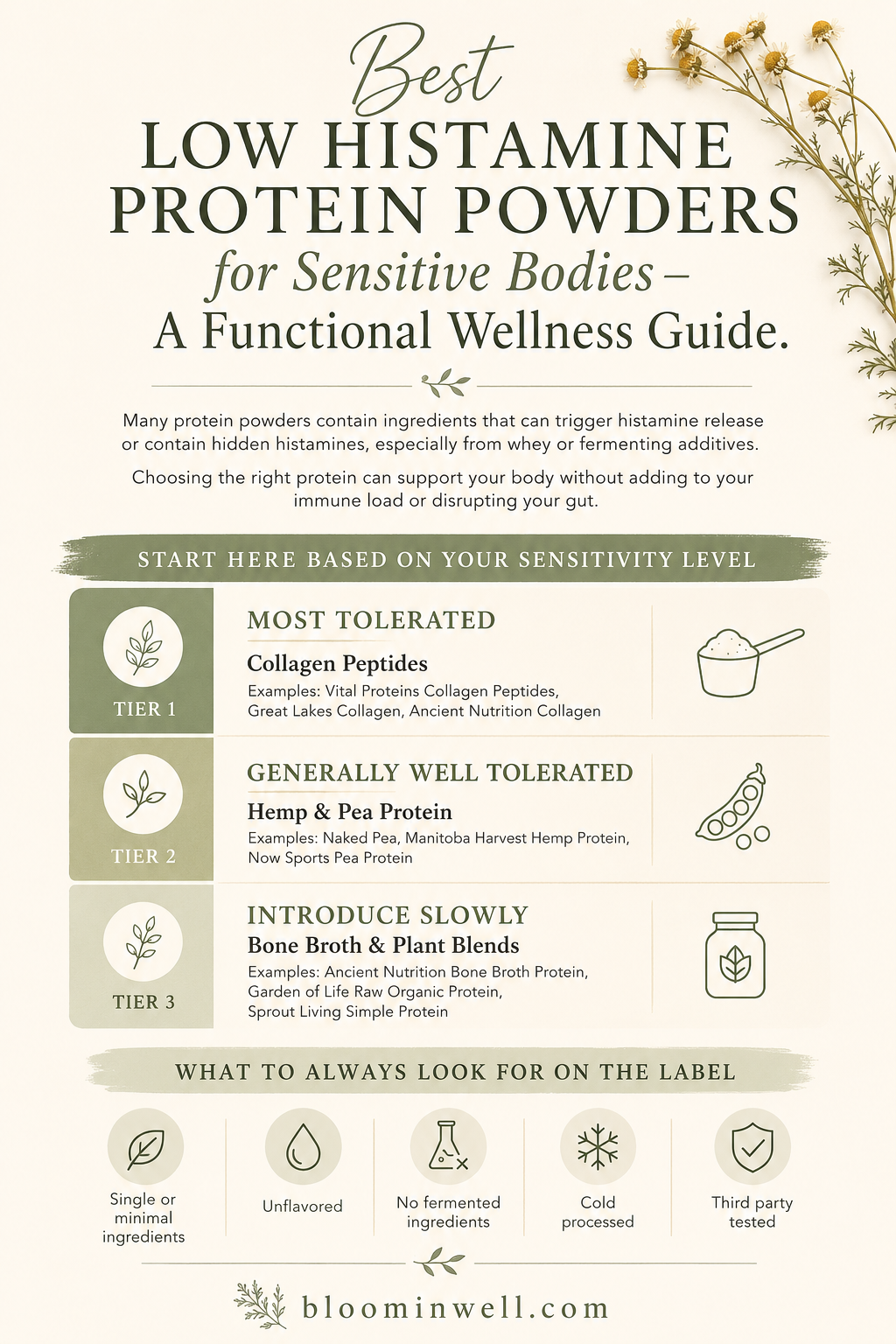
Single or minimal ingredients. The more ingredients, the more potential triggers. The cleanest low histamine protein powders have one or two ingredients and nothing else.
Unflavored options. Natural flavors, vanilla, chocolate, and sweetener blends are common histamine liberators. Unflavored is almost always the safer starting point for a sensitive system.
No fermented ingredients. Fermentation is helpful for digestibility but is a concern for those with histamine intolerance. Check whether the manufacturing process involves fermentation.
Cold processed or minimally processed. Heat and long processing times increase histamine formation. Look for brands that emphasize minimal processing.
Third party tested. Testing for heavy metals and purity helps reduce risk. Look for certifications like NSF or USP.
Start low and go slow. Use protein powder sparingly — maybe once a day or less — to lower risk of cumulative triggers, and always monitor how you feel.
“Your body isn’t overreacting to protein powders. It’s telling you exactly what it needs — something cleaner, simpler, and gentler than what most brands are offering.”
The Best Low Histamine Protein Powders — Organized by Type
We've organized these into categories based on histamine tolerance level so you can find your best starting point.
Collagen Peptides — Best Starting Point for Most Sensitive Women
Collagen is generally well tolerated by histamine sensitive women because it is minimally processed, unflavored options are widely available, and it doesn't carry the fermentation risk of plant proteins. Collagen protein powder has also been shown to reduce blood sugar response, according to a study in The International Journal of Biochemistry and Cell Biology.
Important note: collagen is not a complete protein. It doesn't contain all essential amino acids, so it works best as a complement to other protein sources rather than your only source.
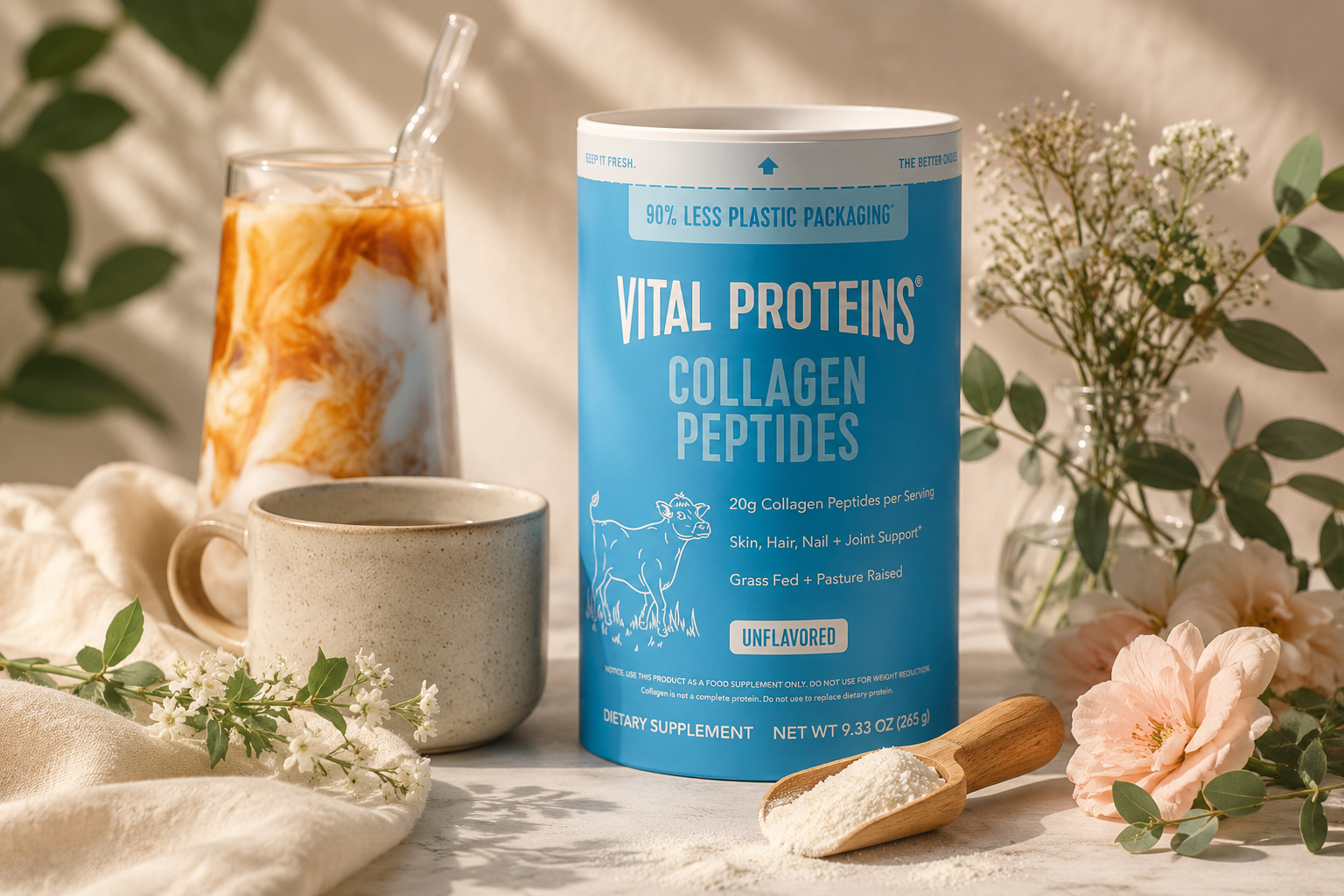
1. Vital Proteins Collagen Peptides (Unflavored)
One of the most widely used and trusted collagen peptides on the market. Two ingredients — bovine collagen peptides and vitamin C. Unflavored, dissolves easily in hot or cold liquid, and widely tolerated by sensitive women. A clean, reliable starting point.
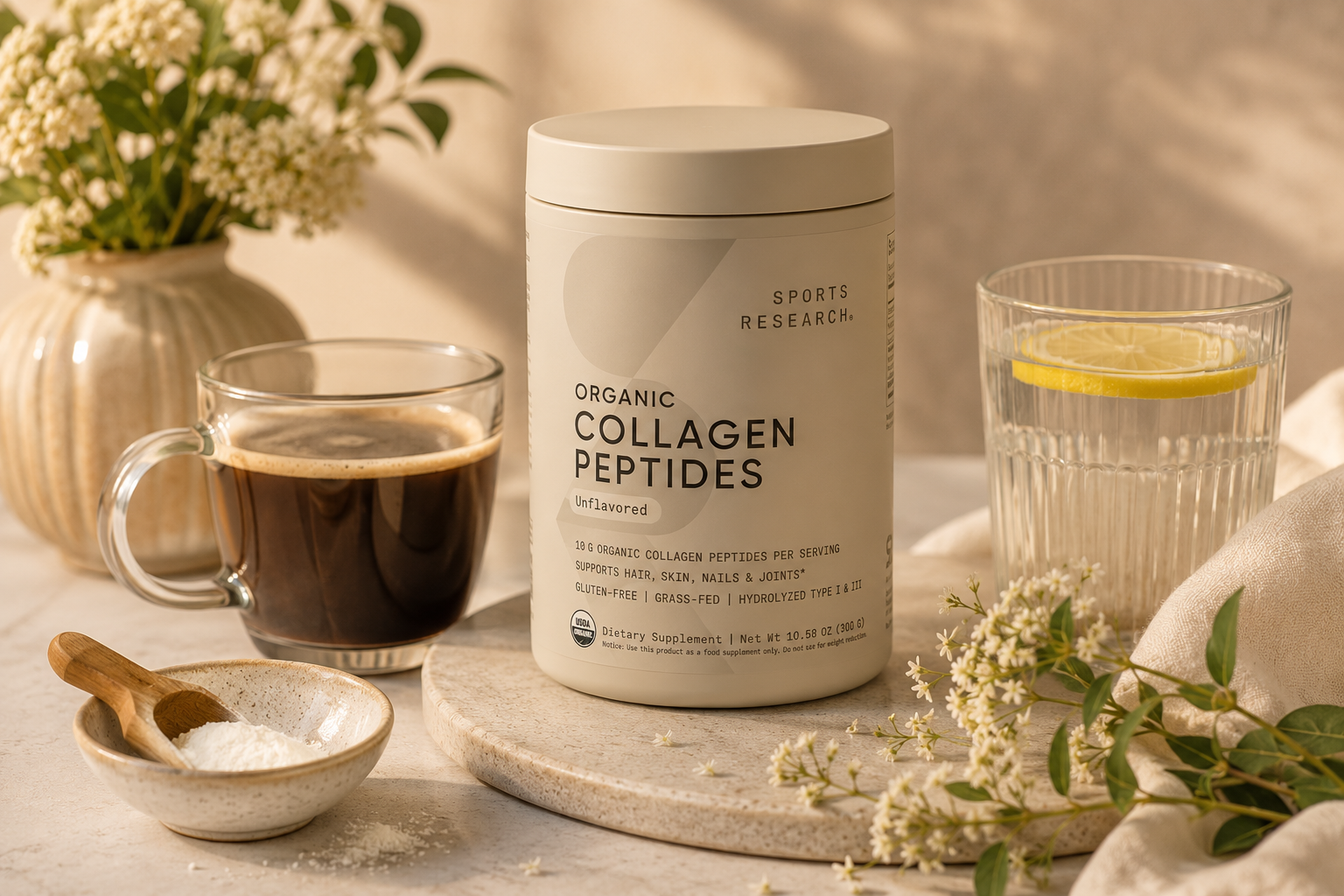
2. Sports Research Collagen Peptides
Grass-fed, pasture-raised, cold processed, and third party tested. Single ingredient, unflavored, and NSF certified — exactly what you want to see for a sensitive immune system. One of the cleanest collagen options available.
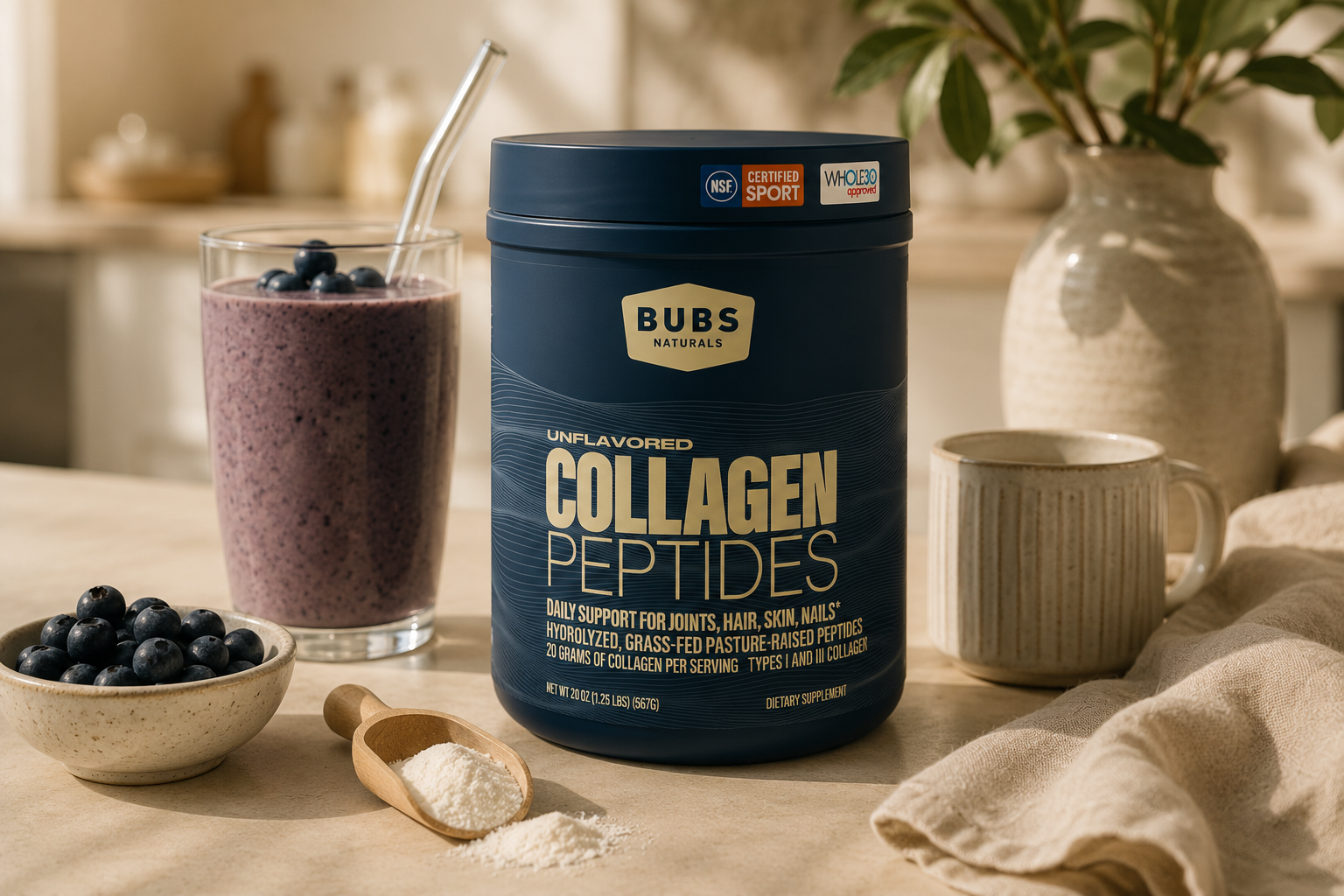
3. BUBS Naturals Collagen Peptides
Grass-fed, non-GMO, and unflavored with minimal processing. Clean label, well-sourced, and gentle on sensitive systems. Dissolves beautifully in coffee or smoothies without any taste.
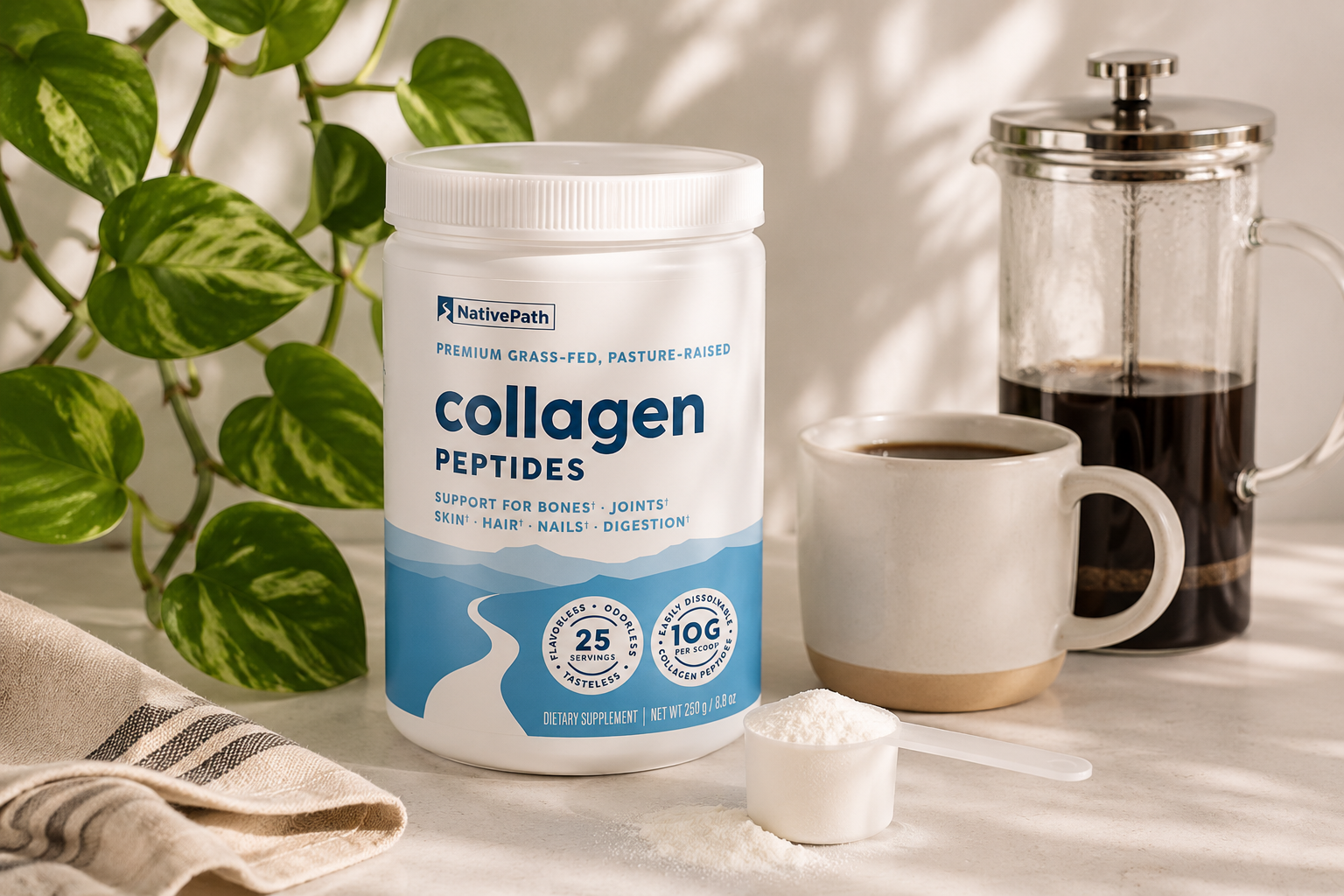
4. NativePath Collagen Peptides
Pasture-raised, grass-fed, and specifically formulated for absorption. Unflavored and minimally processed. A solid option for women who want a straightforward, trustworthy collagen without extras.
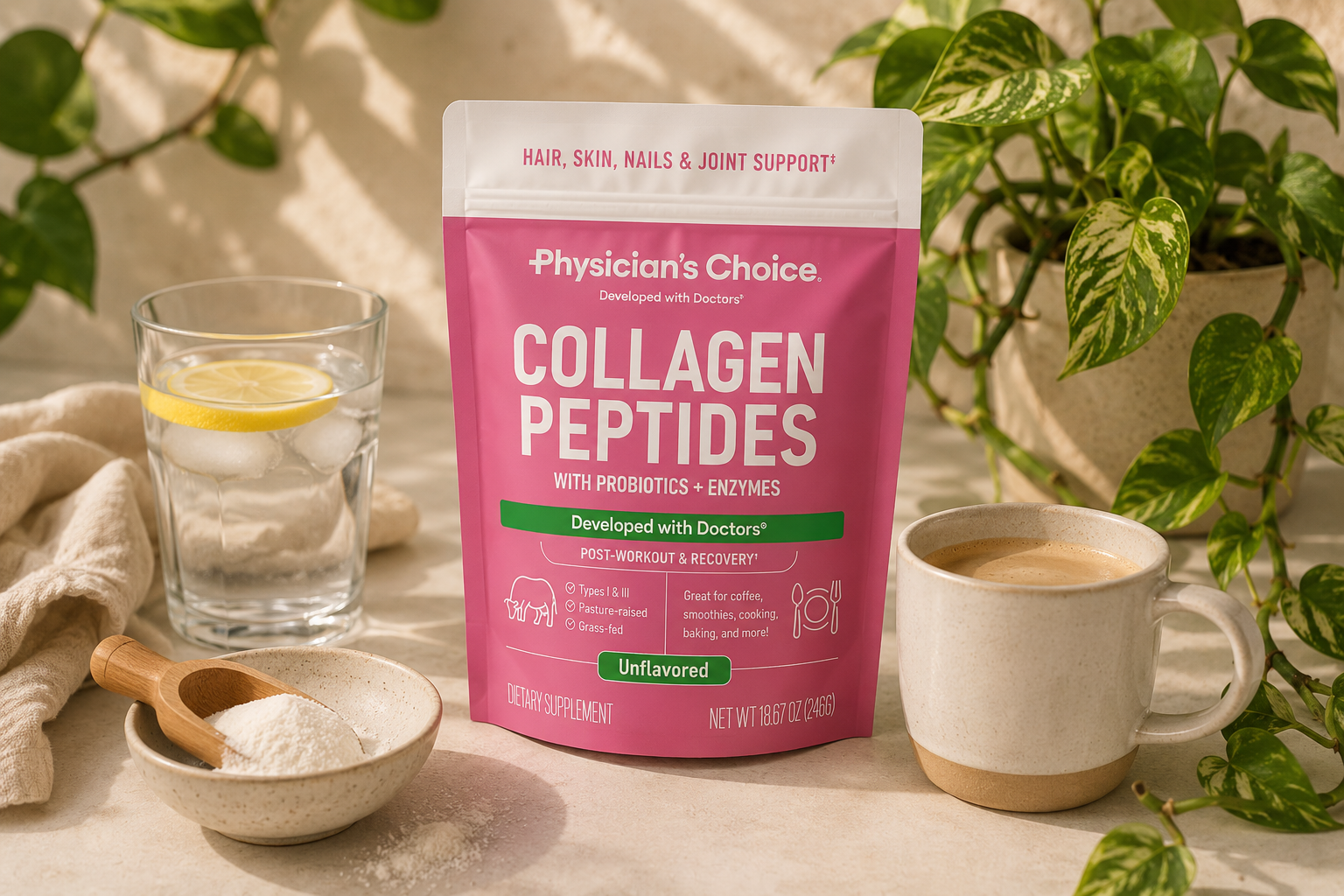
5. Physician's CHOICE Collagen Peptides
Hydrolyzed grass-fed collagen with added digestive enzymes for additional gut support. Clean ingredient list and third party tested. A good option if you want a slightly more functional collagen blend without a long ingredient list.
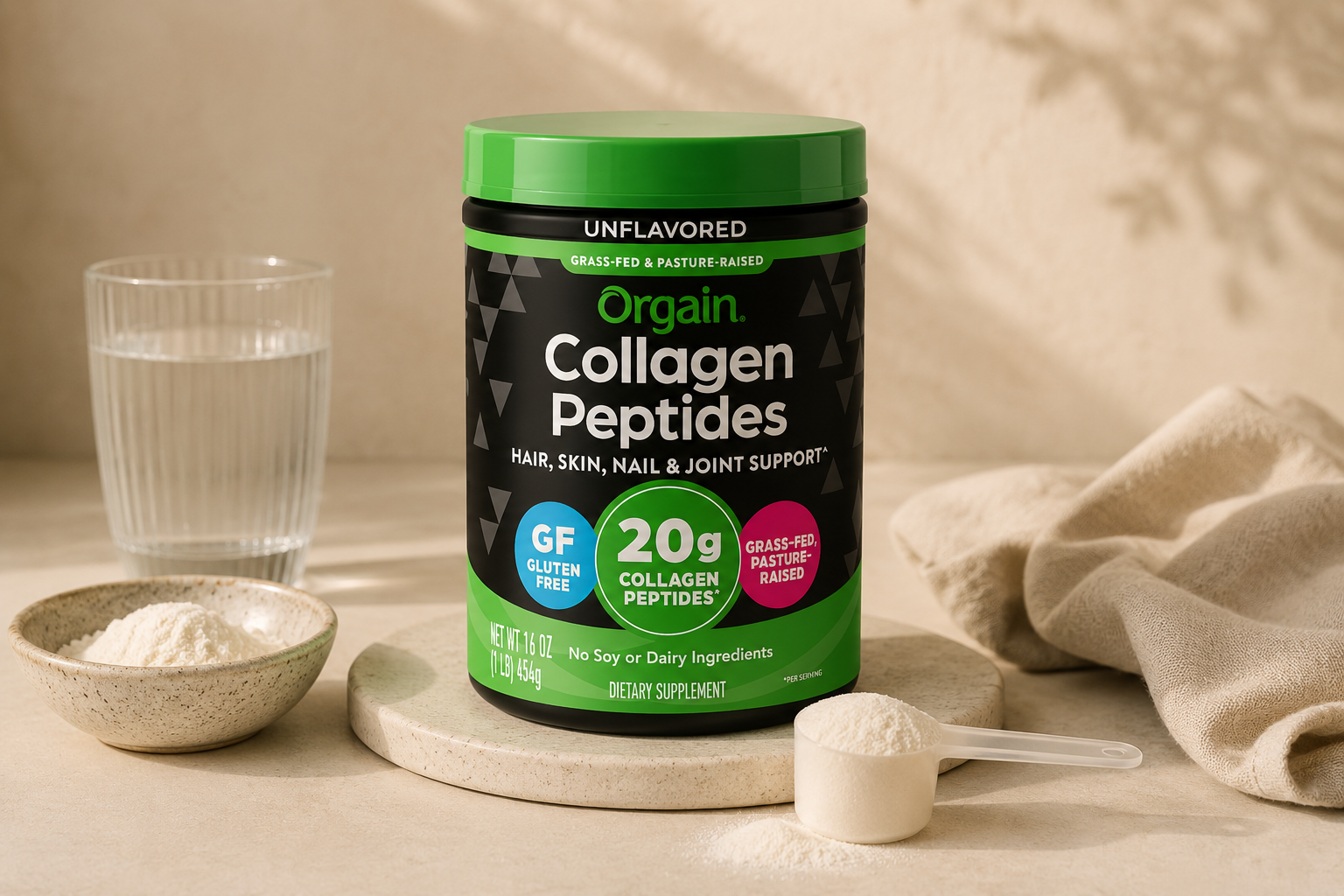
6. Orgain Collagen Peptides
Grass-fed, unflavored, and straightforward. Orgain tends to be widely available and budget-friendly without sacrificing sourcing quality. A good accessible entry point for women just starting to explore collagen.
Collagen with Added Support — For Women Who Want More Than Just Protein
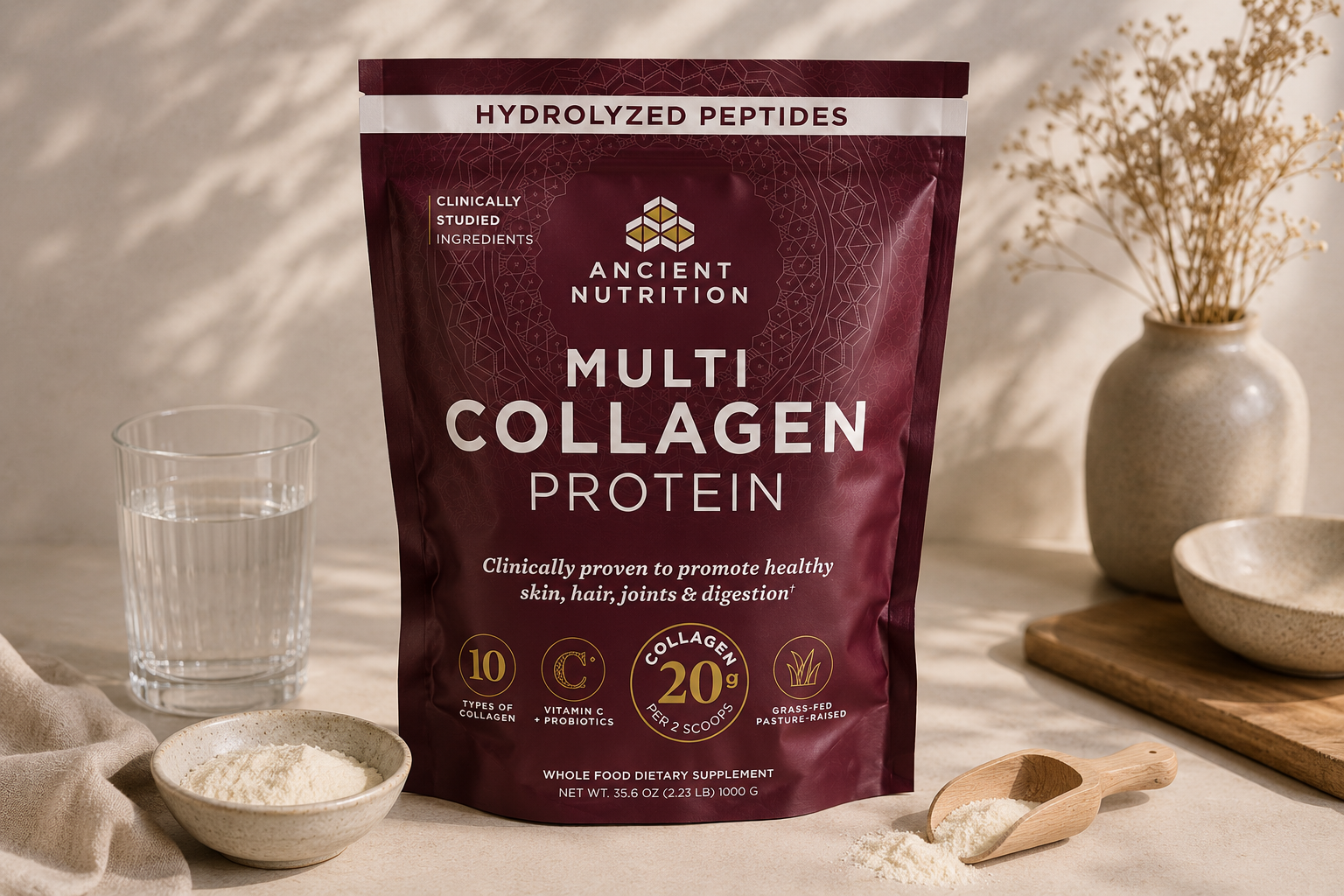
7. Ancient Nutrition Multi Collagen Protein with Probiotics
This one is unique because it combines multiple types of collagen with probiotic strains to support gut health alongside protein intake. For women whose histamine sensitivity is rooted in gut dysbiosis or a compromised gut lining, addressing the gut alongside protein intake makes a lot of sense. Sensitive individuals should start slow and observe carefully given the probiotic addition.
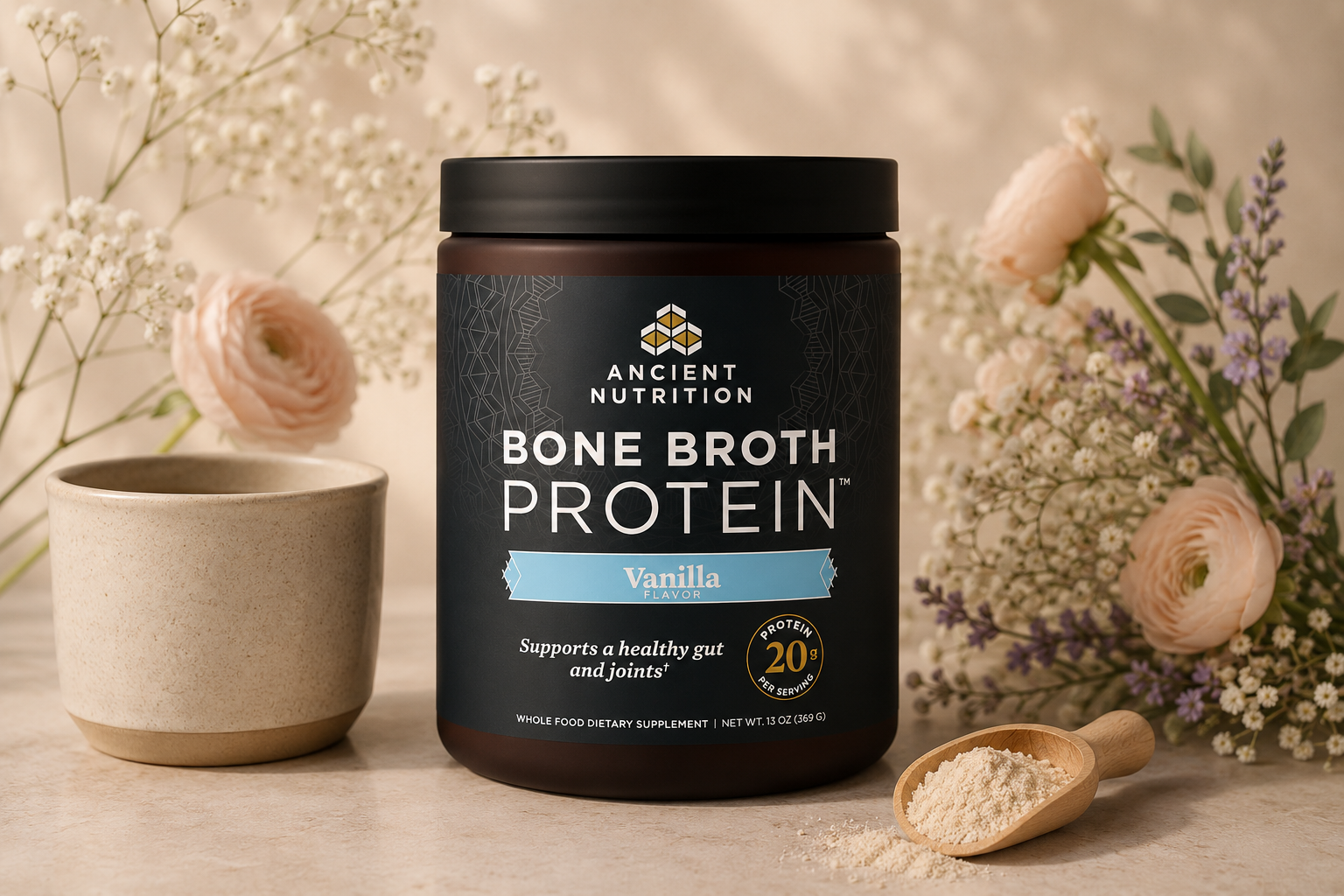
8. Ancient Nutrition Bone Broth Protein
Bone broth protein is one of the more functional protein sources for women with gut sensitivities. It provides collagen, gelatin, and gut-supportive compounds in a concentrated form. Worth noting that bone broth is higher on the histamine spectrum for some women — start with a very small amount and observe your response carefully before committing.
Plant-Based Options — For Women Avoiding Animal Products
The main protein powders generally considered safe for histamine intolerance include plant-based proteins like hemp, pumpkin seed, and sunflower seed. Here are the best options in each category.
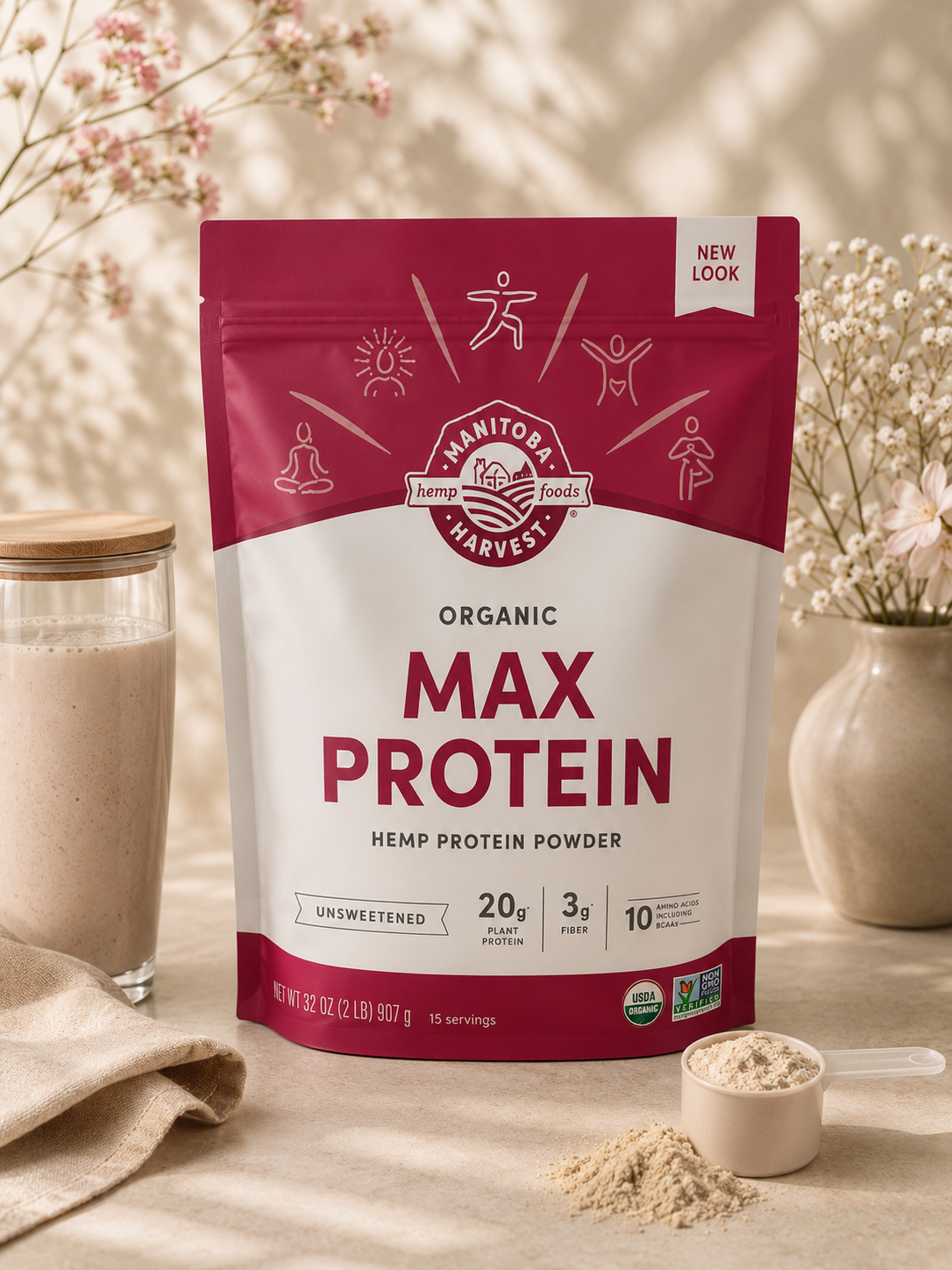
9. Manitoba Harvest Hemp Yeah! Organic Hemp Protein
Hemp is one of the most histamine-friendly plant proteins available. Hemp is rated a 0 on the SIGHI histamine food compatibility list — one of the lowest possible ratings. Manitoba Harvest uses organic whole hemp seeds with minimal processing. The taste is earthy and mild — best in smoothies. A reliable first choice for plant-based protein on a low histamine diet.
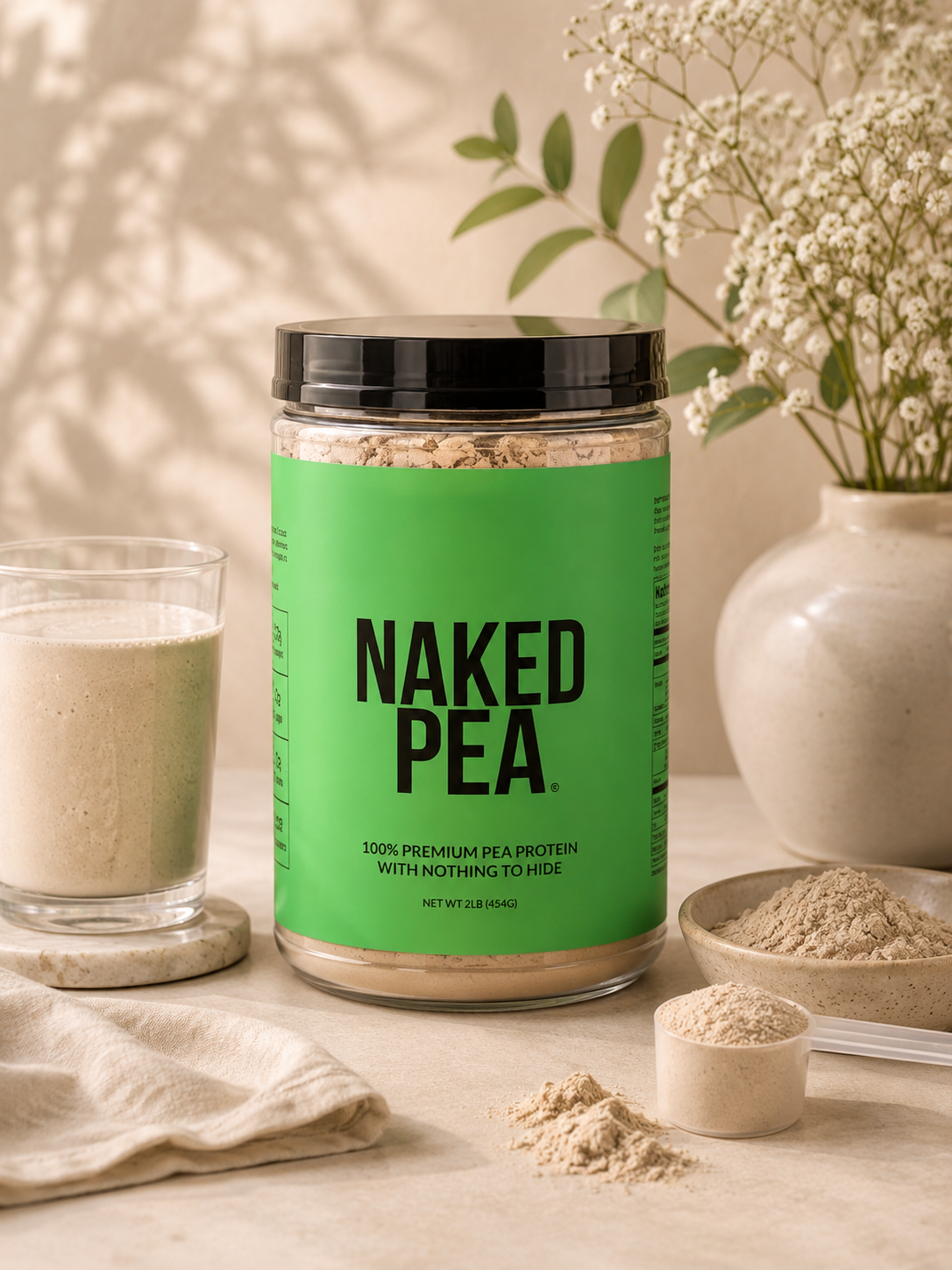
10. Naked Nutrition Naked Pea Protein (Unflavored)
Single ingredient — just yellow pea protein. Pea protein isolate is naturally low in histamine because it's extracted from fresh peas without fermentation or aging processes. Naked Nutrition's commitment to minimal processing and no additives makes this one of the cleanest pea protein options. Best tolerated by women whose histamine sensitivity is moderate rather than severe.
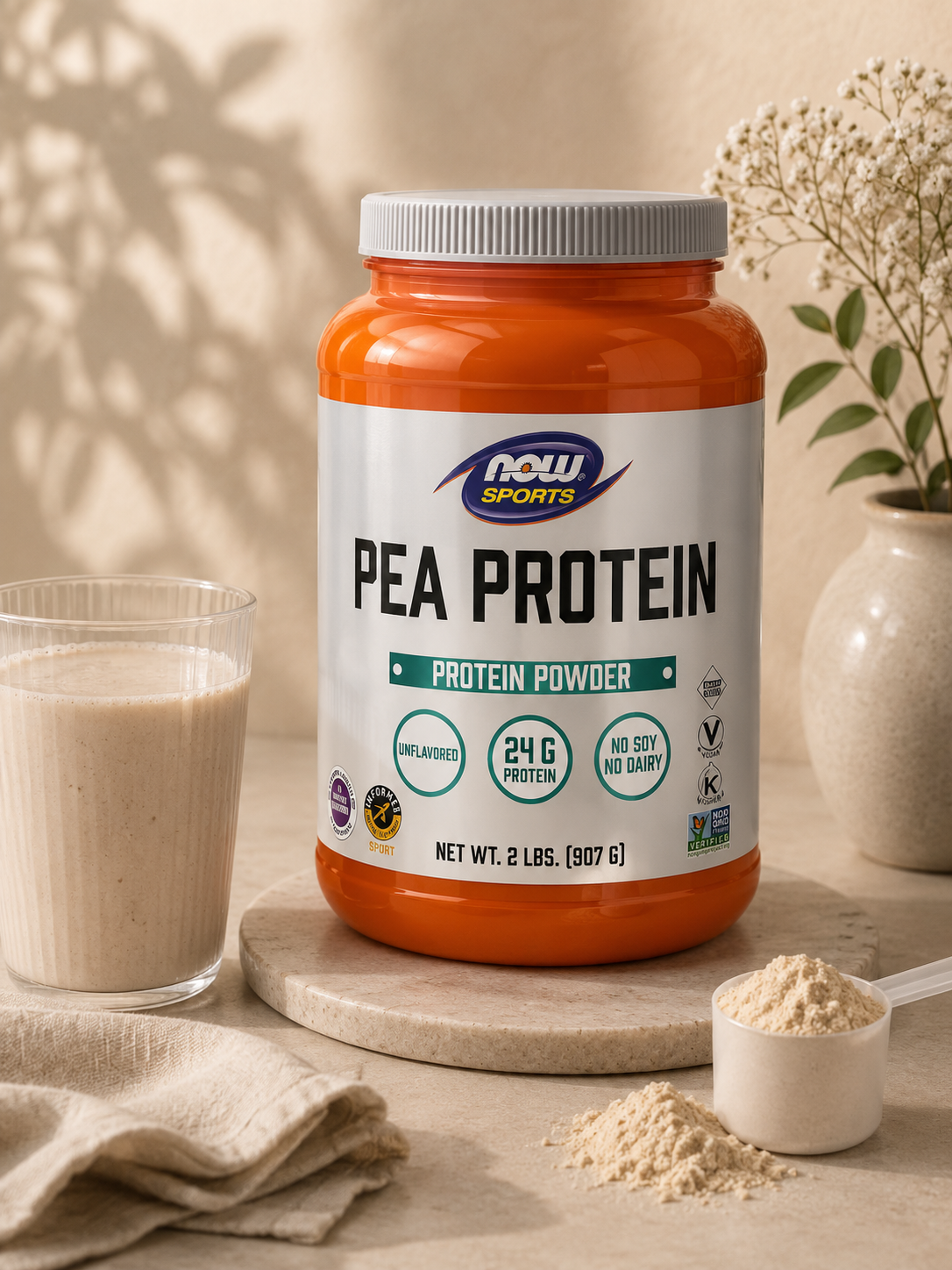
11. NOW Sports Pea Protein (Unflavored)
NSF certified for sport, single ingredient, and unflavored. NOW Sports is a brand with a long track record of clean manufacturing and third party testing. A budget-friendly, widely available pea protein option for women who tolerate pea well.
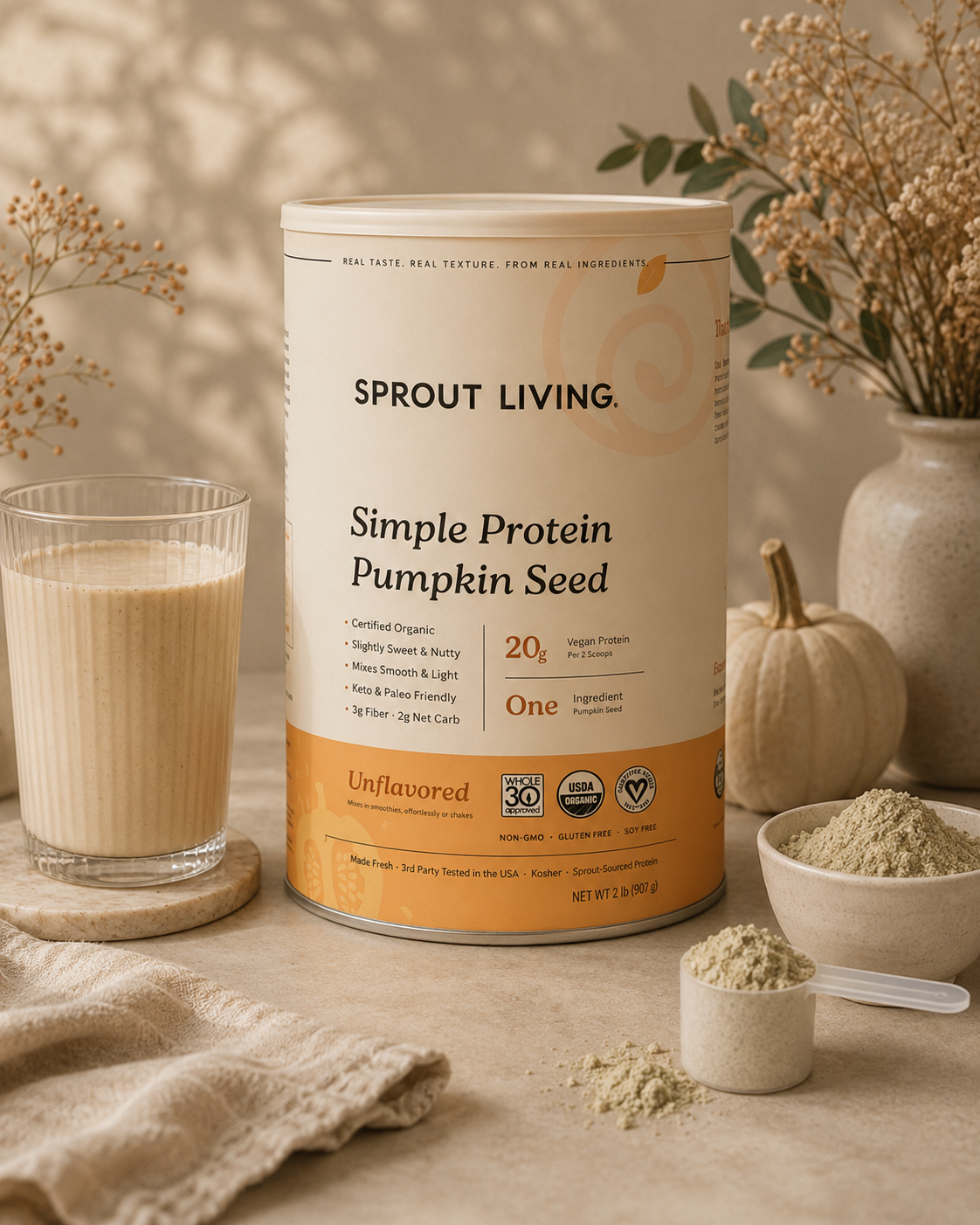
12. Sprout Living Epic Protein (Pumpkin Seed Blend)
Pumpkin seed protein is one of the most underrated low histamine plant proteins available. Sprout Living uses organic, sprouted ingredients and keeps the formula clean and minimal. The pumpkin seed base is gentle on sensitive digestive systems and provides a good amino acid profile for a plant-based option.
Animal-Based Options — For Women Who Tolerate Beef Protein
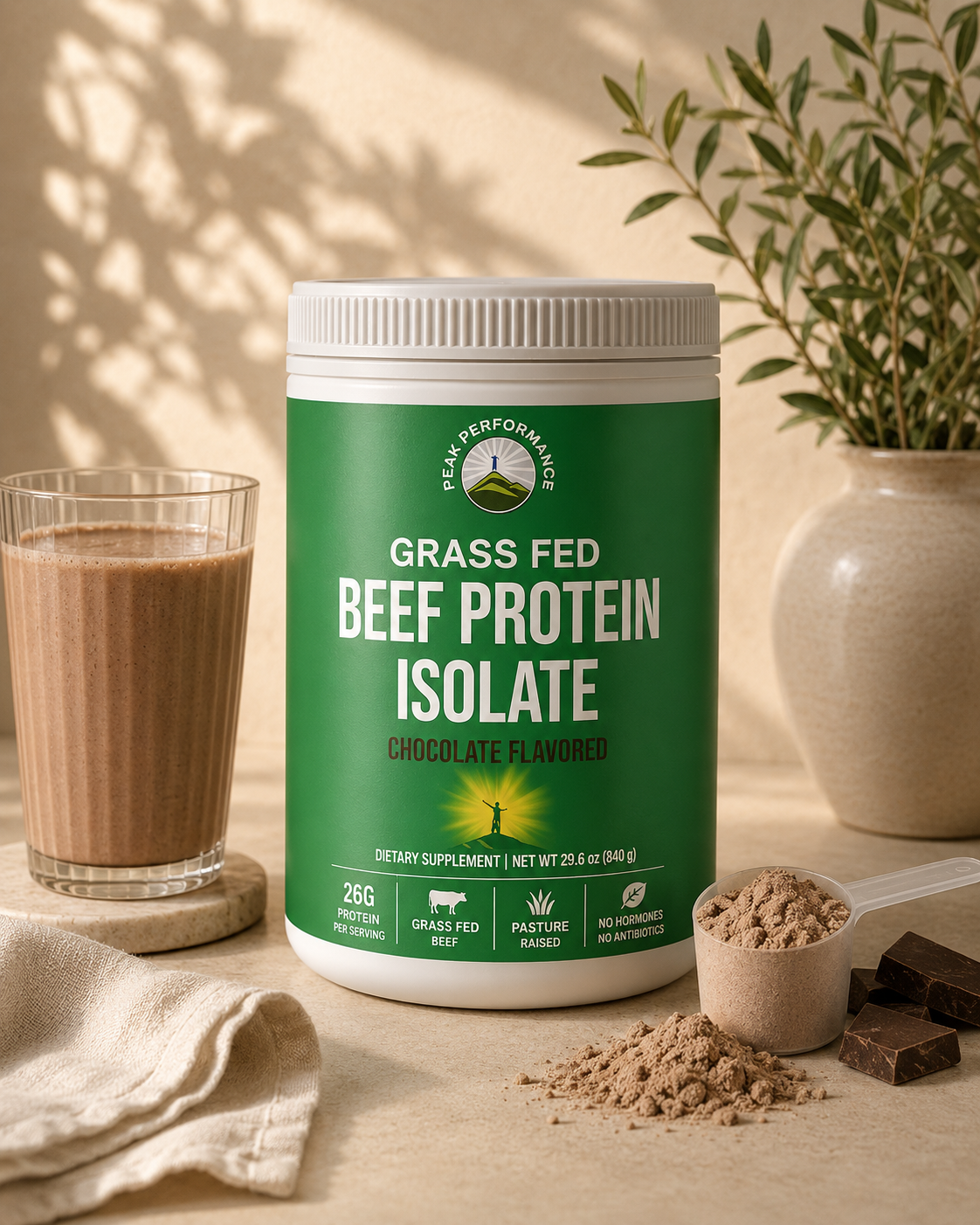
13. Peak Performance Beef Protein Isolate (Grass-Fed)
Beef protein isolate is a lesser-known option that tends to be well tolerated by women who don't do well with dairy-based proteins. Peak Performance uses grass-fed beef, minimal processing, and no artificial additives. It comes in flavored options — sensitive women should start with the unflavored or most minimal flavored version and observe carefully.
For Women Who Tolerate Plant Blends
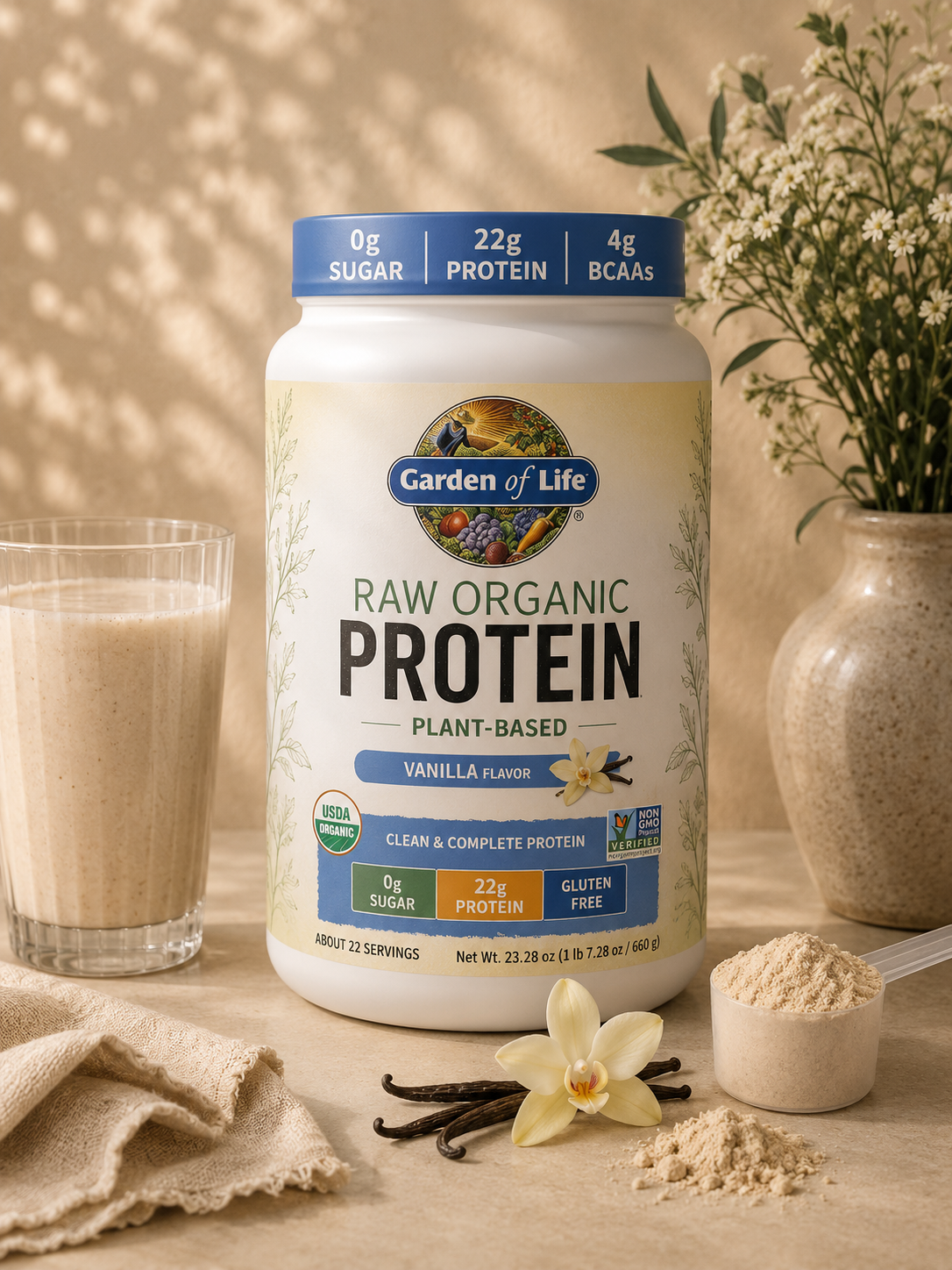
14. Garden of Life Raw Organic Protein
This one is for women who have done some gut healing work and are now ready to try a more complex plant blend. Garden of Life Raw Organic Protein is sprouted, organic, and minimally processed — but it does contain a blend of multiple plant proteins which can be too much for the most sensitive systems. Try this one after you've established tolerance with a single-ingredient option first.
A Note on Whey Protein and Histamine Sensitivity
You may have noticed there's no whey protein on this list. That's intentional. Whey is derived from dairy, and while it's not inherently the highest histamine food, the processing involved in manufacturing most whey proteins creates conditions where histamine-producing bacteria can flourish. For women with histamine sensitivity, whey tends to be one of the most common protein powder triggers — even when it's labeled as clean or grass-fed.
If you've been reacting to your whey protein, this is likely why. Starting with collagen peptides or a single-ingredient hemp or pea protein gives your system a much cleaner slate.
How to Introduce a New Protein Powder on a Sensitive System
Even the cleanest low histamine protein powder can be too much too fast for a highly reactive system. Here's how to introduce any new protein powder without overwhelming your body.
Start with half a serving or less for the first week. Mix it with just water or a simple smoothie — no other new ingredients. Give yourself at least three to five days on the same product before drawing conclusions. Keep a simple symptom journal noting energy, digestion, skin, and mood. If something feels off — stop. Your body's response is always the most important data point.