

Why Summer Heat Makes Your Anxiety and Fatigue Worse (And How to Regulate Your Nervous System in Hot Months)
Everyone around you seems to come alive in summer. The longer days, the warmth, the energy, they love it. They're making plans. Going to the lake. Staying out late. Thriving.
And you're sitting there feeling worse.
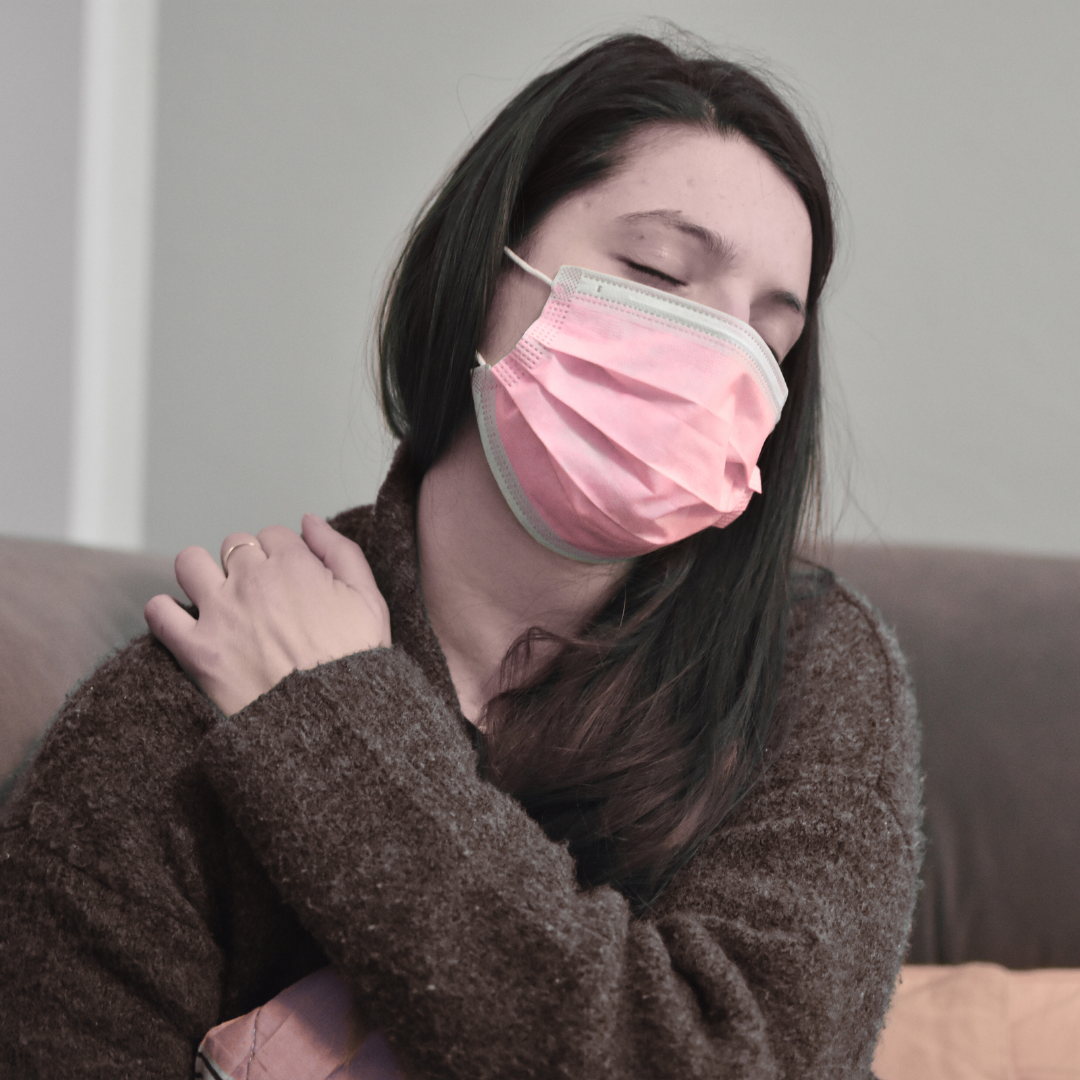
More anxious. More exhausted. More overstimulated. Shorter fuse, heavier body, foggier head. You want to enjoy it. You just can't quite get there.
If this is you every single summer, you are not being dramatic. You are not weak. Something real is happening in your body, and once you understand it, you can actually do something about it.
Everyone Else Seems to Love Summer. You Just Feel Worse.
Summer is supposed to be the easy season. And yet for many women dealing with burnout, nervous system dysregulation, or high sensitivity, it can be one of the hardest.
The heat itself is a stressor. So is the disrupted routine, the social pressure, the bright light, the noise, the expectations. Layer all of that on top of a nervous system that is already running close to its edge, and you get a woman who is barely holding it together while everyone else seems to be thriving.
This is often a physiology issue. And your body has been trying to tell you that for a long time.
What Heat Actually Does to Your Nervous System
Here's what's happening underneath the surface when temperatures rise.
Heat is a physical stressor. When your core body temperature increases, your body launches a stress response to manage it, increasing heart rate, redirecting blood flow to the skin, triggering sweating. This costs energy and activates your sympathetic nervous system, the branch responsible for your fight-or-flight response.
At the same time, research shows that heat suppresses parasympathetic nervous system activity, the rest-and-digest branch that keeps you calm, grounded, and regulated. In other words, heat literally lowers your body's ability to stay calm.
Heat also directly affects your neurotransmitters. It elevates cortisol, your primary stress hormone. It disrupts serotonin regulation, which influences mood, irritability, and emotional stability. And it taxes the hypothalamus, the part of your brain responsible for both temperature regulation and stress hormone signaling, the same region that sits at the top of your HPA axis.
The result: your stress system gets louder, your calm system gets quieter, and your brain chemistry shifts in ways that make anxiety, irritability, fatigue, and mood instability all more likely.
And if your nervous system was already dysregulated before summer started? The heat just turned up the volume on everything.
Why Burned-Out and Highly Sensitive Women Feel Summer Heat Differently
This is the part that matters most for the women reading this post.
When your nervous system is already operating in a state of chronic stress or dysregulation, your threshold for additional input, including heat, is much lower than average. Your system is already running close to full capacity. It doesn't take much to push it over the edge.
For highly sensitive women, this is especially true. The sensitive nervous system takes in and processes more information from the environment, including temperature, light, noise, and social stimulation. Heat adds sensory load to a system that is already working hard to manage its input. The result is faster overstimulation, more intense physical discomfort, and quicker emotional overwhelm.
For women in burnout or HPA axis dysregulation, the problem runs even deeper. When your adrenals are taxed and your cortisol rhythm is disrupted, your body is already less equipped to manage stress of any kind — including the physical stress of heat. Temperature dysregulation is actually a known symptom of HPA axis dysfunction. Many women in burnout notice they're more sensitive to temperature extremes than they used to be. That's not random. That's your stress system telling you it doesn't have the reserves to handle another layer of demand.
Why Do I Feel Worse When I Try to Heal? Sensitive Nervous System Explained
The Symptoms That Spike in Summer and What They're Really Telling You
If any of these get noticeably worse when temperatures rise, your nervous system is struggling with the seasonal load:
Heightened anxiety or a sense of dread for no clear reason
Heart palpitations or a racing heartbeat in the heat
Irritability that feels out of proportion to what's happening
Crushing fatigue after being outside, even briefly
Brain fog that gets worse on hot days
Digestive upset, nausea, or loss of appetite in the heat
Feeling overstimulated at events that should be enjoyable
Disrupted sleep even with the right sleep hygiene
Emotional flatness or shutdown after a full social day
Feeling like you need days to recover from a single summer outing
These are not signs that you need to push through. They are signs that your nervous system needs support, and that summer, for you, requires a different approach than it does for other people.
How to Protect Your Nervous System When Temperatures Rise
The goal is not to avoid summer. The goal is to work with your biology instead of fighting it, so you can actually enjoy these months without paying for it for days afterward.
Prioritize morning activity, rest in the heat of the day. Your nervous system will handle physical activity and social engagement much better in the cooler morning hours. Midday heat adds unnecessary physiological stress. Protect that window for rest, quiet, or lower-stimulation activities.
Treat cooling as a nervous system intervention, not just comfort. Cold water on your wrists, neck, and temples activates the vagus nerve and directly supports parasympathetic tone. A cool shower after being in the heat is not indulgent, it's regulatory. Air conditioning or a fan is not weakness, it's nervous system medicine.
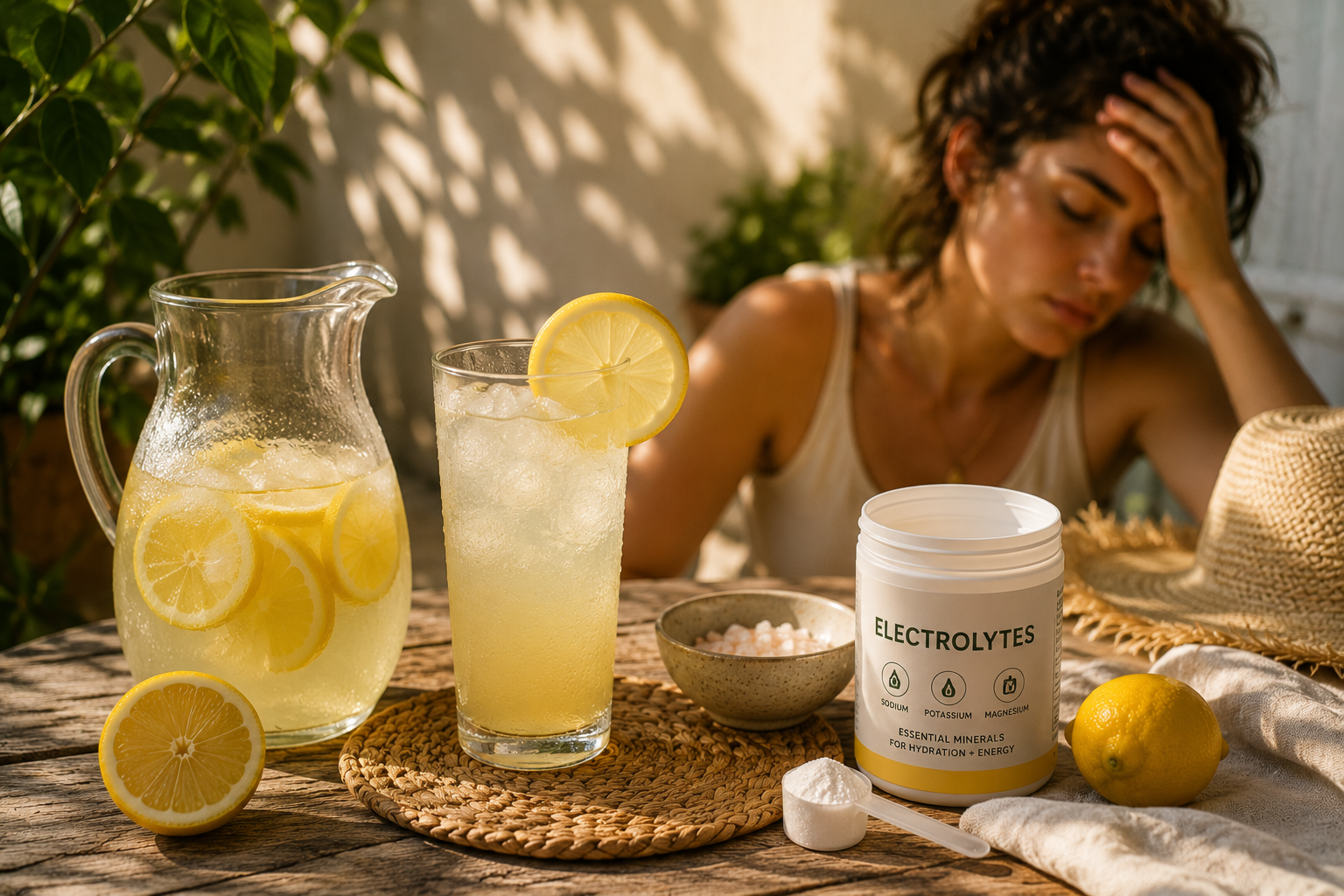
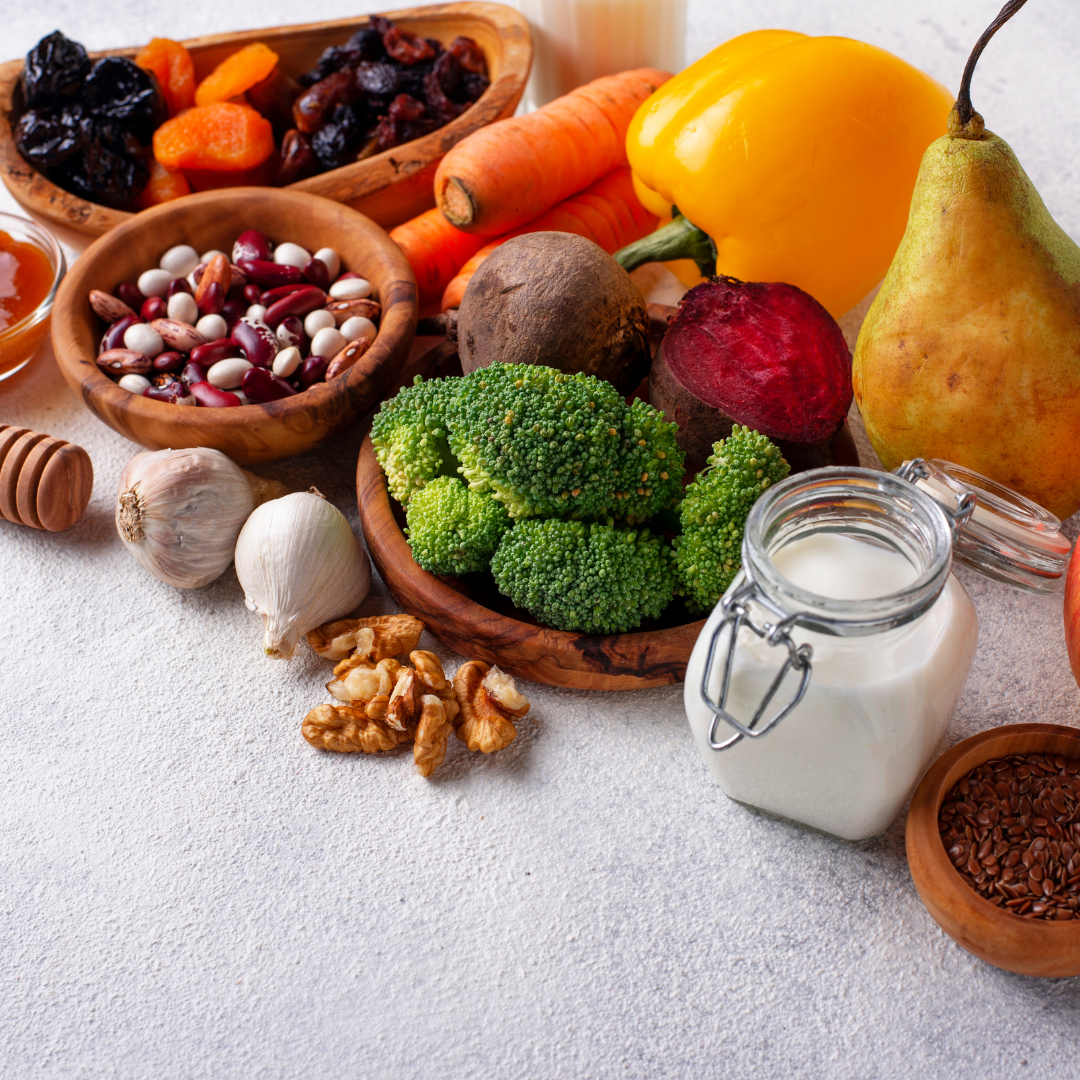
Hydrate with electrolytes, not just water. Sweating depletes sodium, potassium, and magnesium, minerals your nervous system depends on for stability. Plain water alone doesn't replace them. Add a quality electrolyte to your water, or eat mineral-rich foods like avocado, leafy greens, and coconut water throughout the day.
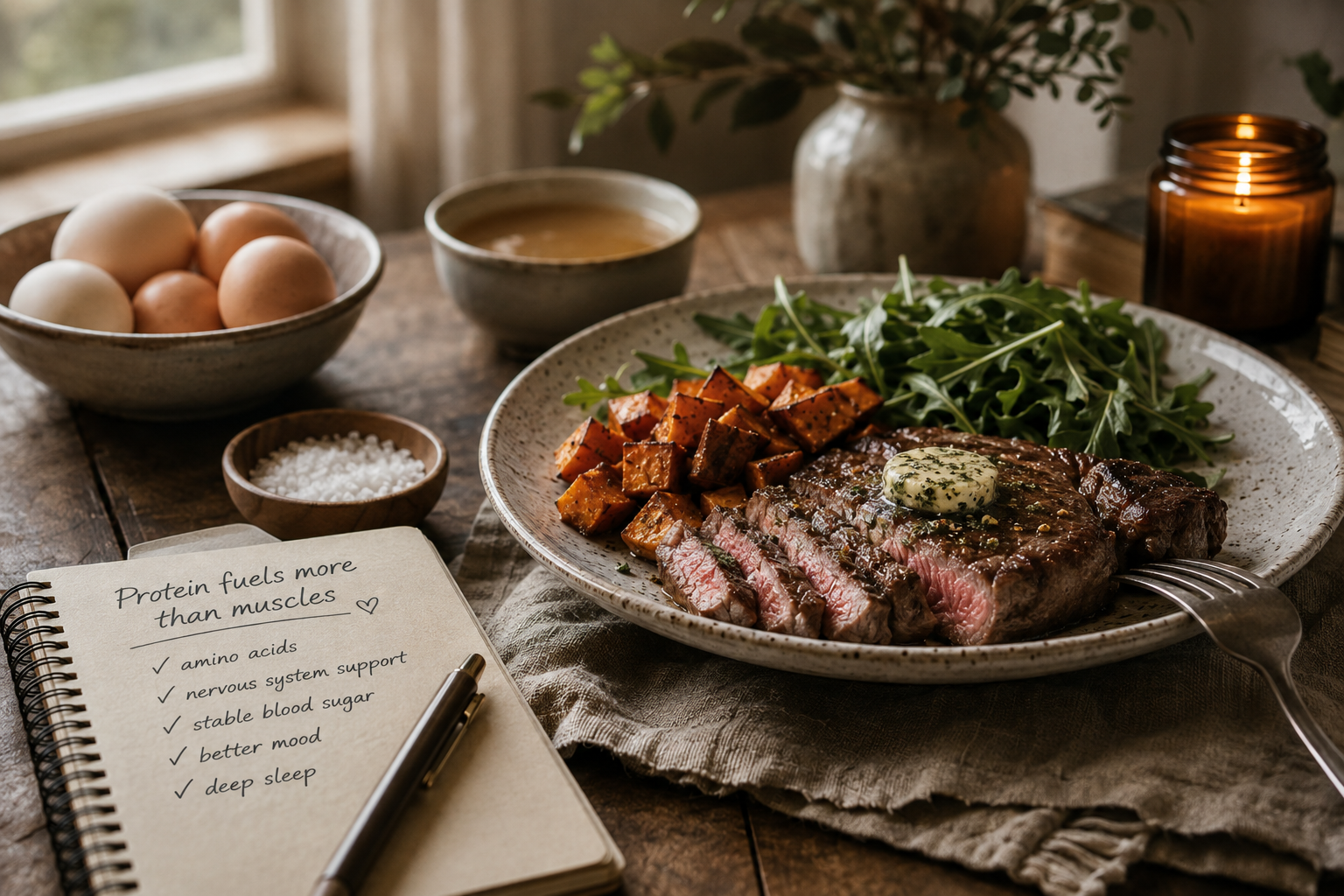
Eat to stabilize blood sugar. Heat suppresses appetite, which can lead to skipped meals and blood sugar crashes, a major trigger for anxiety, irritability, and nervous system instability. Light, frequent, protein-rich meals keep your stress system from spiking unnecessarily.
Build in genuine recovery time after stimulating events. If you know a family gathering, outdoor event, or social day is coming, plan quiet recovery time afterward. This is not optional for a sensitive or depleted nervous system. It's how you stay functional across the whole season.
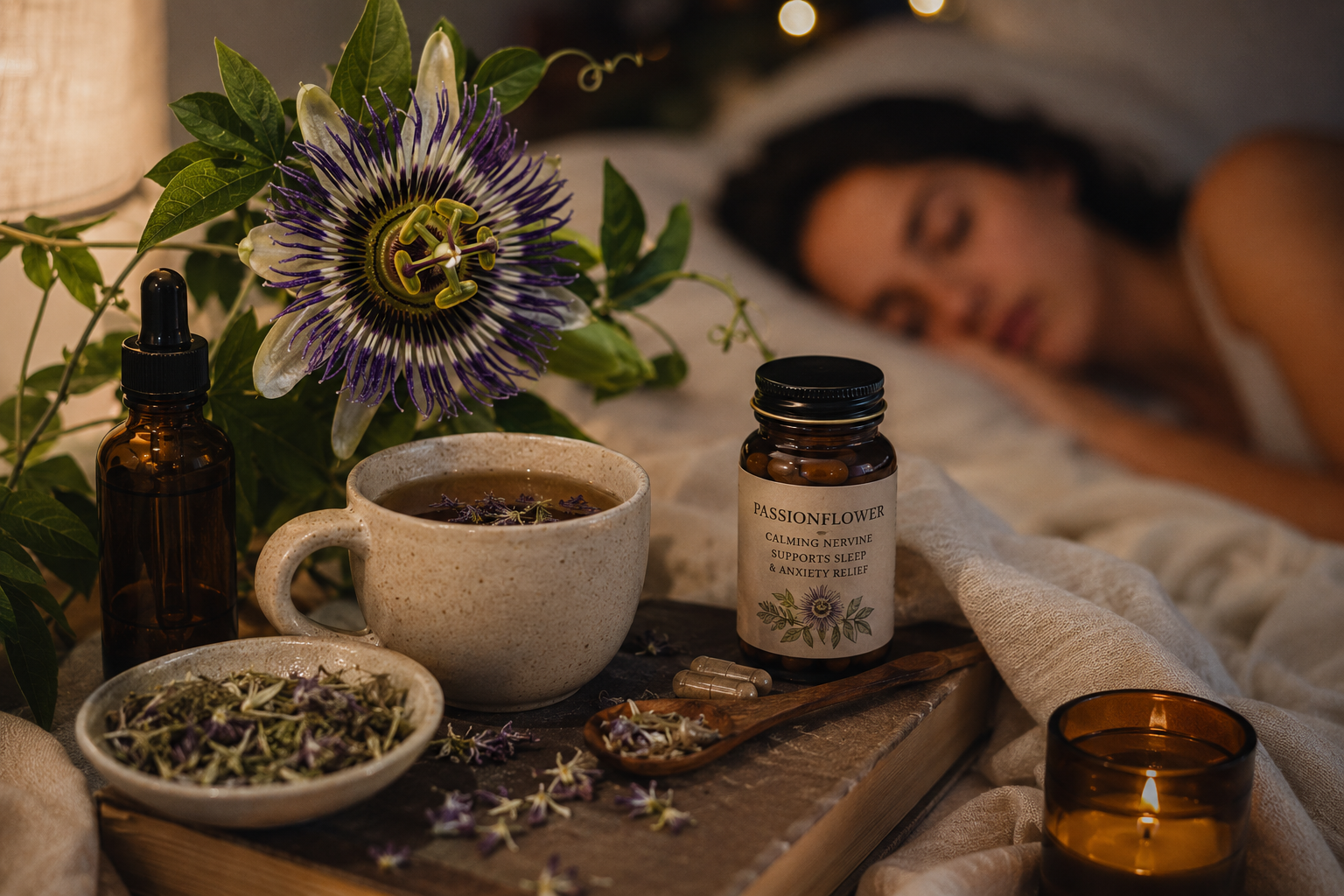
Support your nervous system herbally. Tulsi tea is a particularly lovely summer ally, cooling in nature, gentle on the adrenals, and supportive for both stress and digestion. Lemon balm is another excellent daytime option for keeping anxiety from escalating in the heat.
A Simple Summer Regulation Toolkit for Sensitive Bodies
Think of this as your nervous system survival kit for the hot months. Keep it simple. Keep it accessible.
A cold pack or cooling towel in the freezer for midday regulation
An electrolyte drink you actually enjoy and will use consistently
Tulsi or lemon balm tea iced for a cooling, calming afternoon ritual
A consistent morning routine that anchors your nervous system before the day gets loud
A hard cutoff for evening screens — heat already disrupts sleep, and light exposure makes it worse
Permission to say no to events that will cost you more than they give you this season
You don't have to white-knuckle your way through summer pretending you're fine when you're not. You are allowed to do this season on your own terms.
Your body is running out of room.
Summer is hard for you because your nervous system is already carrying a full load, and the heat is one more demand on a system that doesn't have much left to give right now.
That is changeable.
When you start to support your nervous system the way it actually needs, with rest, mineral support, cooling practices, and herbs that meet your body where it is, summer starts to feel different. Not perfect. But manageable. Sometimes even good.









https://www.cdc.gov/heat-health/
https://ods.od.nih.gov/factsheets/Magnesium-HealthProfessional/
https://ods.od.nih.gov/factsheets/Potassium-HealthProfessional/
https://pmc.ncbi.nlm.nih.gov/articles/PMC10257666/
https://pmc.ncbi.nlm.nih.gov/articles/PMC8511583/
https://pmc.ncbi.nlm.nih.gov/articles/PMC10095088/
https://pubmed.ncbi.nlm.nih.gov/34697602/
https://pubmed.ncbi.nlm.nih.gov/35746837/
https://www.who.int/news-room/fact-sheets/detail/climate-change-heat-and-health