

A Gut-Healing Summer Guide: How to Use the Season to Actually Repair Your Digestion
Most people think of summer as the season that wrecks their gut. BBQ food, travel, disrupted routines, alcohol, irregular sleep. And yes, all of that can be hard on a sensitive digestive system.
But here's what almost nobody talks about: summer is also one of the most naturally supportive seasons for gut healing. If you know how to use it.
The longer days, the fresh food, the sunlight, the slower pace, these aren't just nice things. They are literal inputs your gut microbiome and your digestive system use to repair, rebalance, and rebuild. Summer gives you tools that no supplement can fully replicate.
This post is about how to use them.
Summer Is Quietly One of the Best Seasons to Heal Your Gut, If You Know How to Use It
If your gut has been struggling, bloating that won't quit, digestion that feels unpredictable, foods that used to be fine suddenly aren't, you've probably tried protocols. Elimination diets, probiotics, gut supplements, cutting things out. And maybe some of it helped. But if you're still not where you want to be, the missing piece might not be another supplement.
It might be the season.
From a functional medicine perspective, healing doesn't happen in isolation from your environment. Your gut microbiome, your circadian rhythm, your stress hormones, your digestion, all of them respond to seasonal cues. Light. Temperature. Food availability. Movement patterns. When you align your healing practices with what summer is already offering, you work with your biology instead of against it.
And right now, in the middle of summer, your body is primed for repair in ways it simply isn't in January.
Why Your Gut Behaves Differently in Summer
Your gut is not static. It shifts with the seasons, and this is not a metaphor. Research shows that the composition and function of the gut microbiome actually changes across seasons in response to changes in light, temperature, food, and circadian rhythm.
Here's why summer is particularly significant:
Sunlight boosts vitamin D, and vitamin D directly supports your gut. Vitamin D plays a critical role in gut lining integrity, reducing intestinal inflammation, and promoting microbial diversity. Research shows that UVB exposure from sunlight increases gut bacterial diversity — and more diversity generally means a healthier, more resilient microbiome. Women with gut issues tend to have lower vitamin D levels, and summer sunlight is the most bioavailable source there is.
Summer light regulates your circadian rhythm, and your circadian rhythm regulates your gut. Your digestive system runs on a biological clock. Stomach acid, digestive enzymes, gut motility, all of these peak at specific times based on your internal circadian rhythm. When your circadian rhythm is well-regulated by natural light, your digestion works more efficiently. Eating at irregular times, under artificial light, with a disrupted sleep-wake cycle throws this timing off in ways that cause bloating, constipation, and digestive unpredictability even when you're eating the right foods.
Summer naturally invites the movement your gut needs. Gentle outdoor movement, walking, swimming, easy hiking, stimulates the vagus nerve, which governs many of your digestive reflexes. It also activates the migrating motor complex, your gut's housekeeping system that sweeps debris between meals and prevents bacterial overgrowth. A short walk after meals in summer is one of the most underrated gut-healing practices that exists.
What Summer Gives You That Your Gut Actually Needs
Think of summer as a seasonal prescription from your body. Here's what it's offering and why your gut wants it.
Fresh, diverse, fiber-rich produce. The variety of fruits and vegetables available in summer is unmatched, and variety is exactly what a struggling gut microbiome needs. Different plant fibers feed different strains of beneficial bacteria. Eating a wide range of seasonal produce in summer naturally expands microbiome diversity in ways that are very difficult to achieve from supplements alone.
Hydration opportunities. Your gut lining, your digestive enzymes, your mucosal barrier, all of them depend on adequate hydration to function. Summer naturally makes you thirstier, which means it's easier to hydrate consistently. Hydration is one of the most foundational and most overlooked pieces of gut healing.
Slower social rhythms. For many women, summer brings at least some version of a slower pace. Fewer evening commitments, more downtime, more time outdoors. Rest and reduced chronic stress are among the most powerful gut-healing tools available. Your gut cannot repair itself in fight-or-flight mode. Genuine rest, the kind that actually comes during summer for some people, gives your gut lining the space it needs to heal.
Morning sunlight. Just 10–20 minutes of outdoor light exposure in the morning anchors your circadian rhythm for the entire day. This single habit improves sleep quality, regulates cortisol rhythm, and supports digestion timing, all at once.
The Summer Foods That Support Gut Healing Without Overwhelming a Sensitive System
If your gut is sensitive, summer eating can feel like a minefield. Here's how to lean into what summer offers without triggering flares.
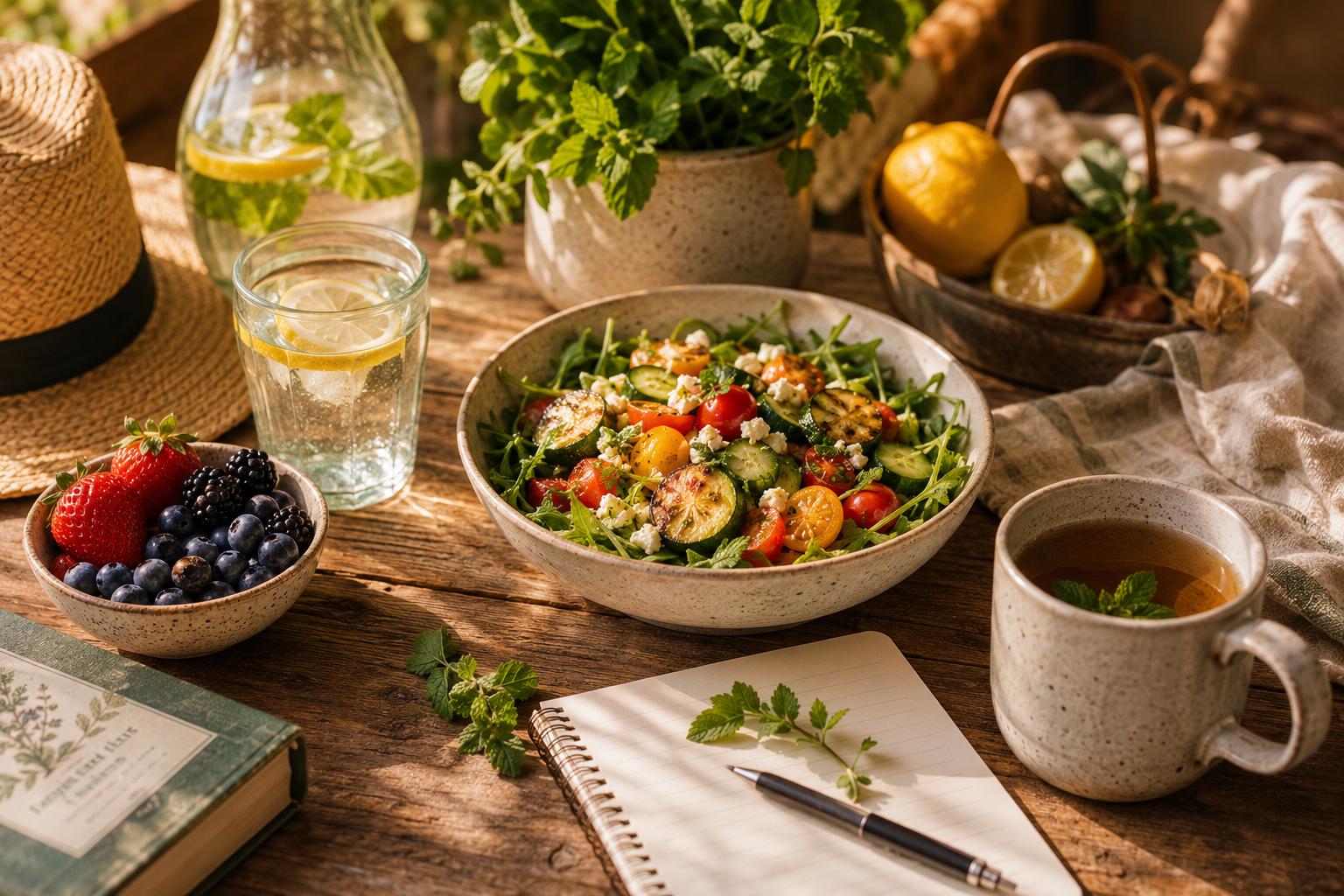
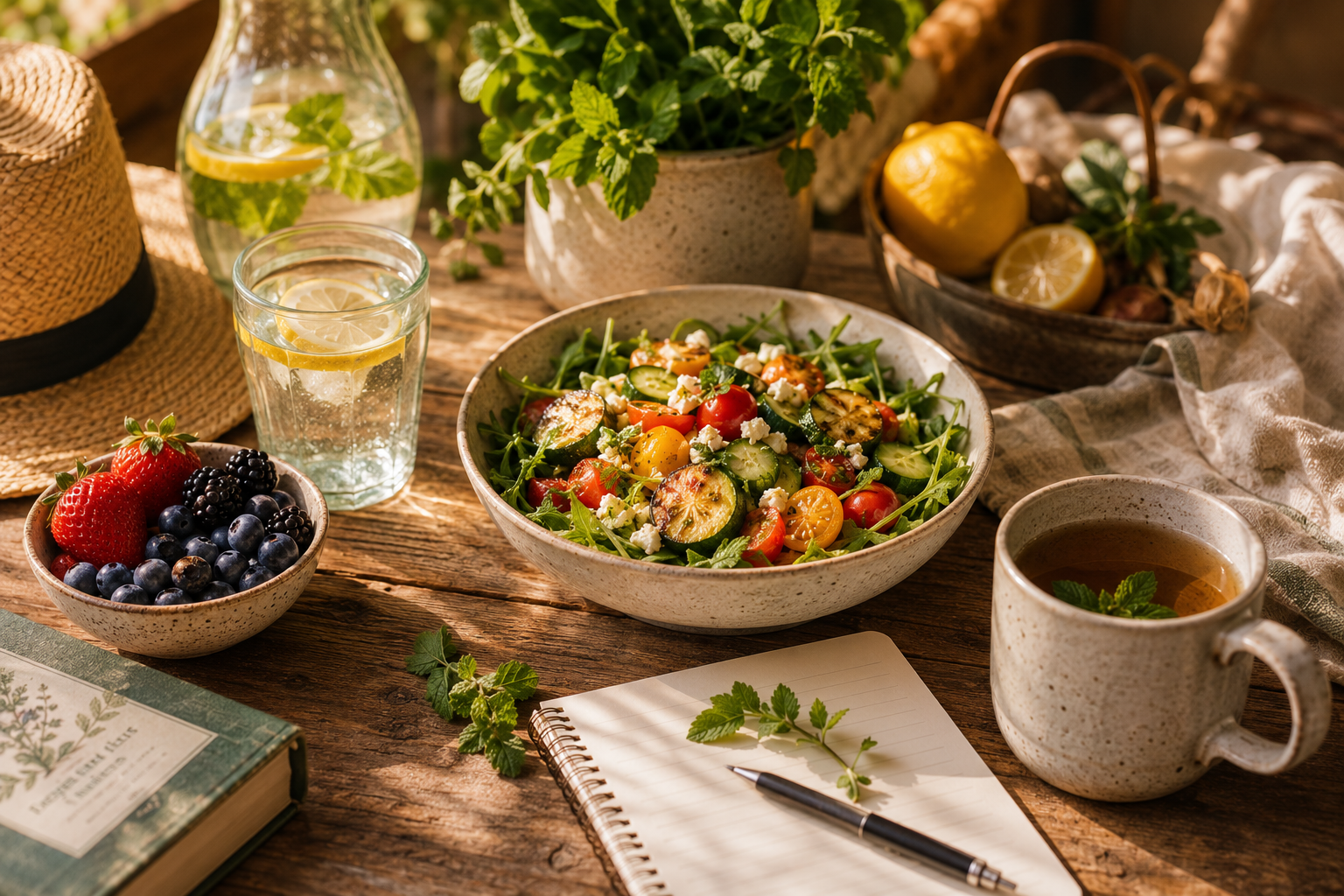
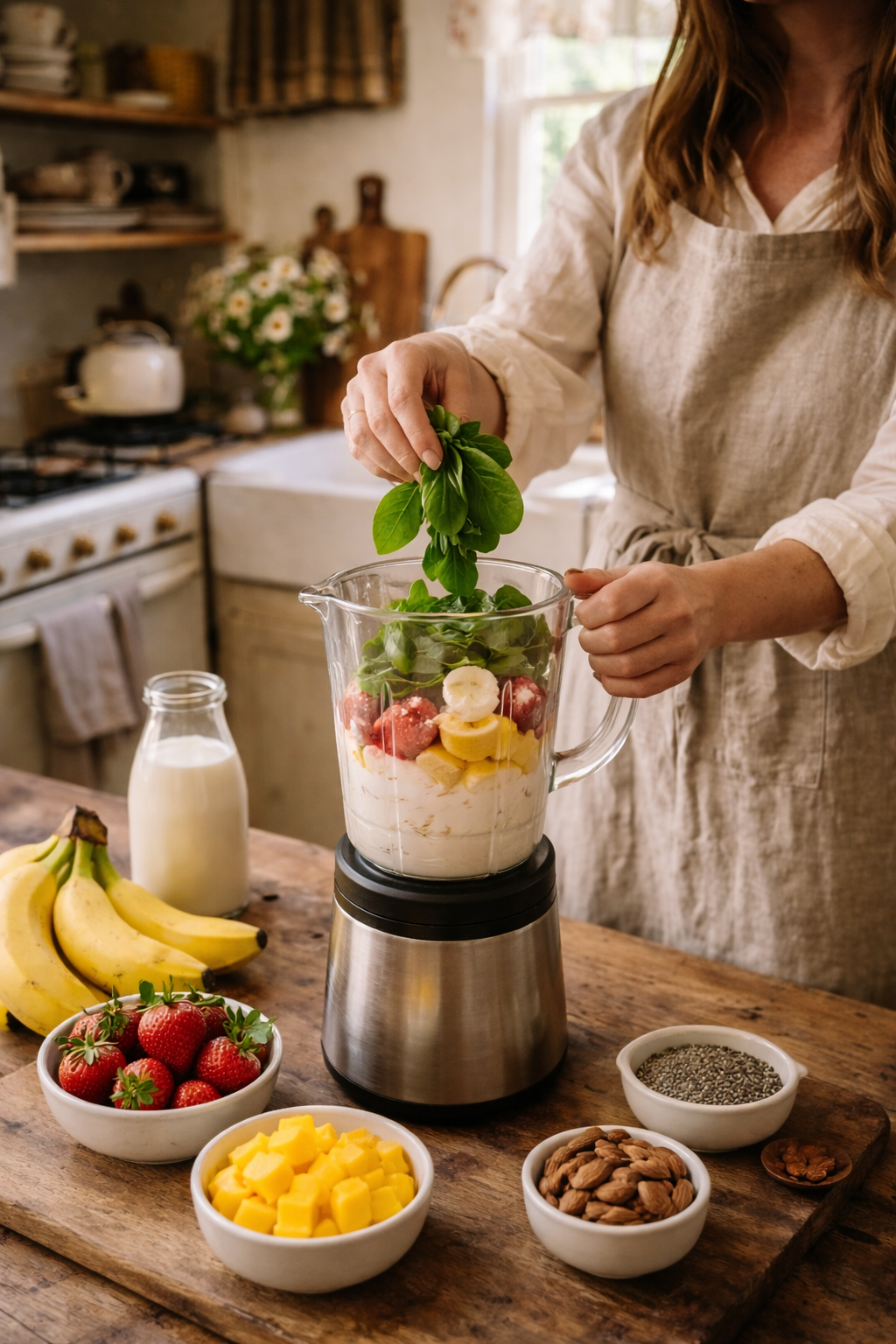
Berries. Blueberries, raspberries, blackberries, deeply anti-inflammatory, high in polyphenols that feed beneficial gut bacteria, and generally well-tolerated even by sensitive digestive systems. Eat them daily if you can.
Cooked and cooled starches. Think potatoes or rice made the night before and eaten the next day. The cooling process converts them into resistant starch, a prebiotic fiber that feeds beneficial gut bacteria without the fermentation load of raw vegetables that can bloat sensitive guts.
Cucumber, zucchini, and summer squash. Hydrating, gentle, and easy to digest. A perfect base for summer meals when your gut needs nourishment without challenge.
Fresh herbs. Mint, basil, cilantro, dill, these are not just flavor. Many are gentle digestive aids that support gut motility, reduce bloating, and have mild antimicrobial properties. Growing a pot of herbs on your windowsill is genuinely good medicine.
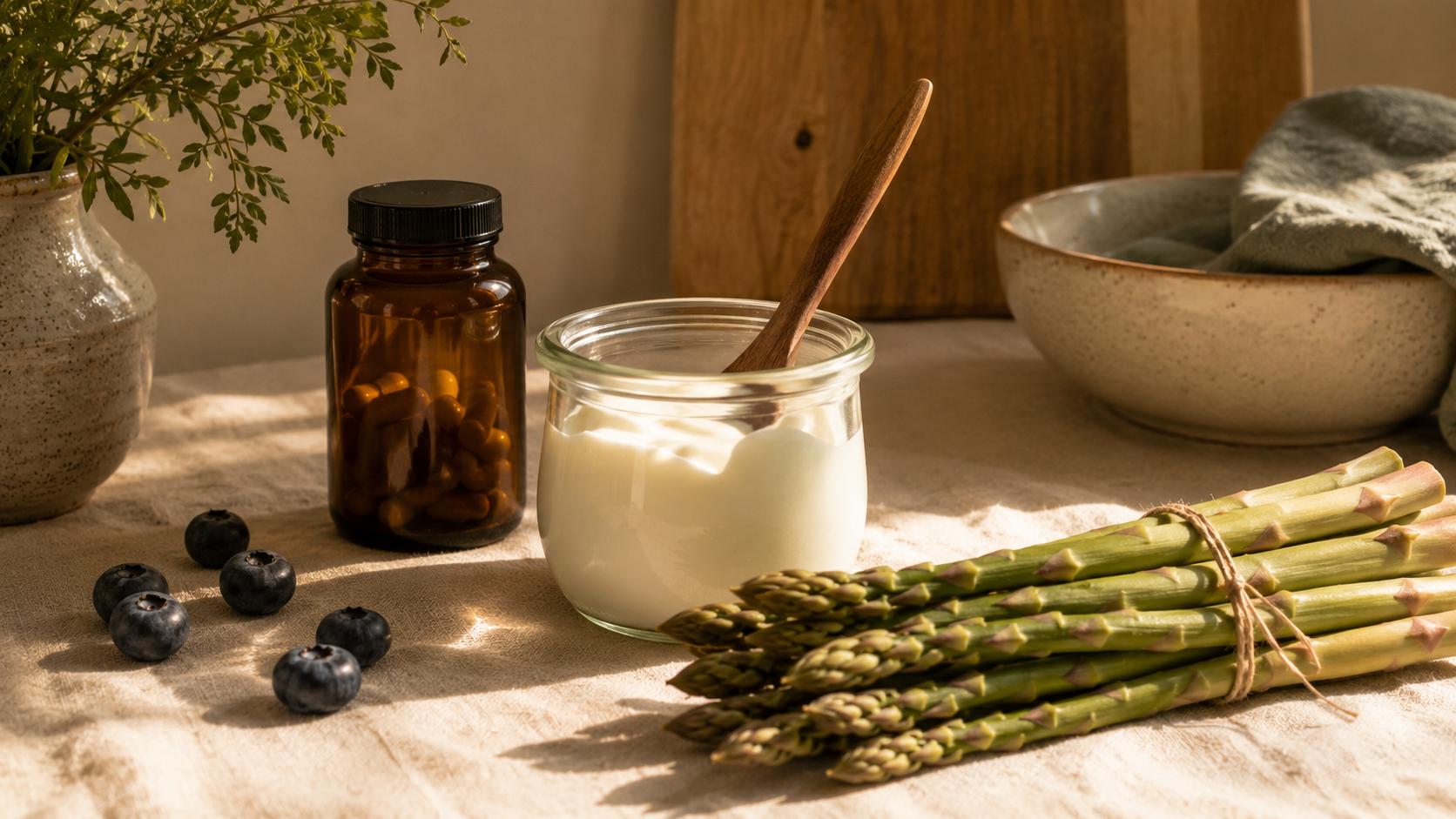
Small amounts of fermented foods. If your gut tolerates them, summer is a good time to slowly introduce or increase fermented foods — a little sauerkraut, some coconut yogurt, a splash of water kefir. Go slow and small, especially with a sensitive system.
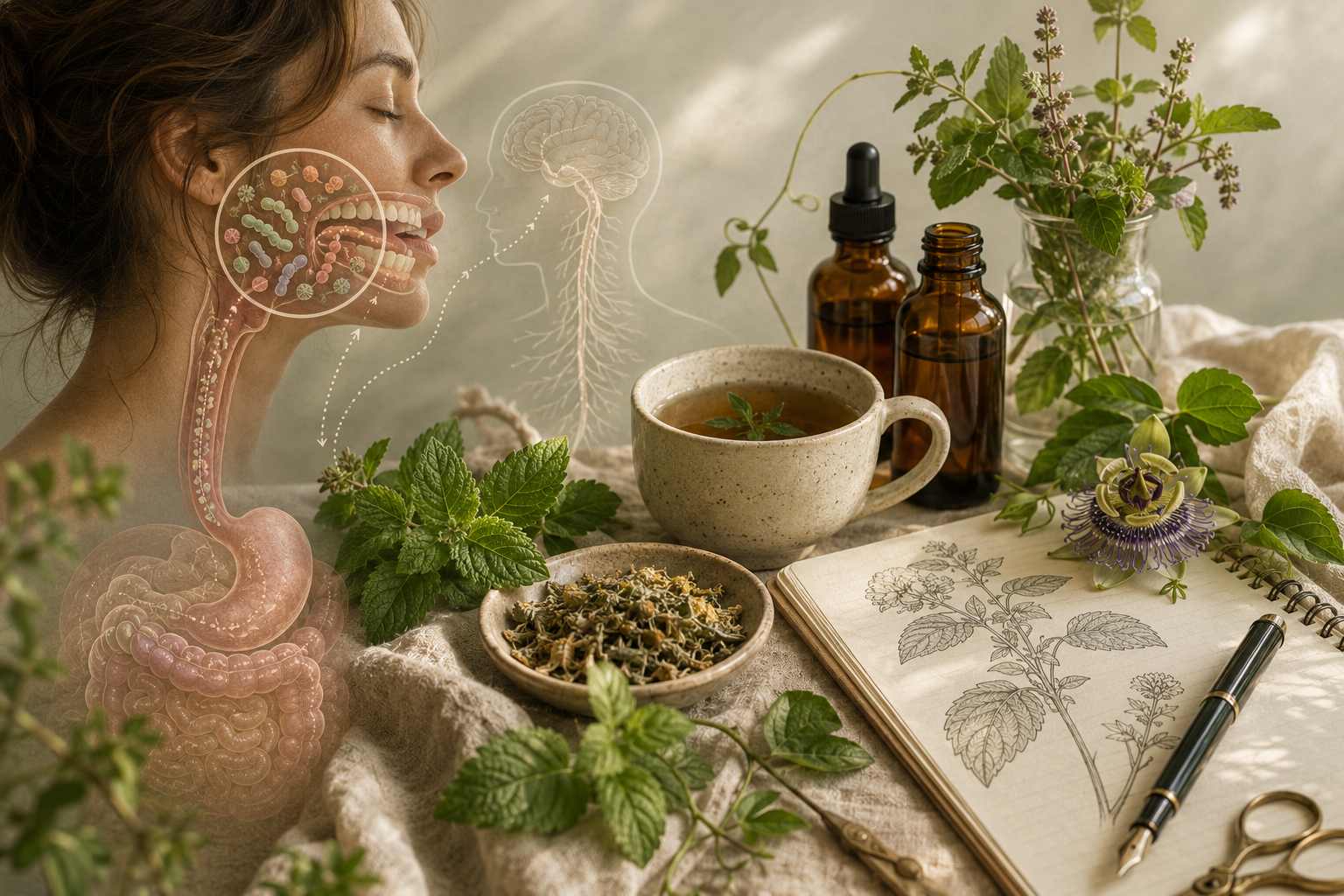
Tulsi tea iced. Cooling, gentle on the gut, supportive for the gut-nervous system connection. A beautiful summer daily ritual that serves both your stress response and your digestion simultaneously.
What to Avoid This Summer If Your Gut Is Struggling
Summer also brings some real gut disruptors worth being mindful of, especially if you're in active healing mode.
Excess alcohol. Even small amounts of alcohol disrupt gut lining integrity, alter microbiome composition, and increase intestinal permeability. You don't have to be perfect, but if your gut is struggling, alcohol is one of the clearest levers you can pull.
High-intensity exercise in the heat. Hard workouts in summer heat spike cortisol significantly, and elevated cortisol directly harms the gut lining, reduces digestive enzyme output, and promotes the kind of gut permeability that drives sensitivity and reactivity. Walk. Swim. Stretch. Save the intense training for cooler months or early morning.
Irregular meal timing. Eating at very different times each day disrupts your digestive circadian rhythm. Your gut secretes enzymes and prepares for digestion based on anticipated meal timing. Inconsistency keeps it perpetually off-balance. Summer routines flex, and that's okay, but try to eat within a similar window each day.
Raw vegetables in excess. This sounds counterintuitive, but for women with sensitive or inflamed guts, large amounts of raw vegetables can be harder to digest than cooked ones. The fiber load and fermentation can worsen bloating, gas, and discomfort. Lightly cook your vegetables, especially cruciferous ones, until your gut lining has had more time to heal.
Constantly eating on the go. Your gut digests best in a parasympathetic state, calm, unhurried, seated. Eating in the car, at your desk, or while distracted tells your nervous system you're not safe enough to properly digest. Even five minutes of sitting quietly before a meal makes a measurable difference in digestion.
Gut Health and Depression | The Science Behind the Gut-Brain Connection
A Simple Summer Gut-Healing Daily Rhythm
You don't need a complicated protocol. You need consistent, simple inputs, done daily, aligned with what summer naturally offers.
Morning: 10–20 minutes of outdoor sunlight as early as possible. A glass of water with a pinch of sea salt and a squeeze of lemon before anything else. A simple, protein-anchored breakfast eaten sitting down.
Midday: The largest meal of the day, if possible, your digestive capacity peaks in the middle of the day. A short walk afterward, even just 10 minutes.
Afternoon: Iced tulsi or lemon balm tea. A light snack if needed. Time outside in the shade rather than indoors under artificial light.
Evening: A light, early dinner. Cooked vegetables, easy proteins, warm broth if your gut is in a more inflamed phase. A consistent bedtime that keeps your circadian rhythm anchored, your gut repairs itself during deep sleep.
That's it. Simple, seasonal, and deeply aligned with what your gut actually needs right now.
Summer Is the Invitation Your Gut Has Been Waiting For
Your gut wants to heal. It is always moving toward balance when given the conditions to do so. Summer, with its light and its food and its natural slower pace, is one of the best sets of conditions available to you all year.
You don't have to do everything at once. Pick one thing from this post and do it consistently this week. Let it build. Trust the season.


Further Reading:
https://www.niddk.nih.gov/health-information/digestive-diseases
https://www.nccih.nih.gov/health/probiotics-what-you-need-to-know
https://ods.od.nih.gov/factsheets/VitaminD-HealthProfessional/
https://pubmed.ncbi.nlm.nih.gov/31436310/
https://pubmed.ncbi.nlm.nih.gov/29529032/
https://pubmed.ncbi.nlm.nih.gov/32669217/
https://pmc.ncbi.nlm.nih.gov/articles/PMC5641835/
https://pmc.ncbi.nlm.nih.gov/articles/PMC6366563/
https://pmc.ncbi.nlm.nih.gov/articles/PMC7146129/
https://pmc.ncbi.nlm.nih.gov/articles/PMC6723650/