

Natural Support for Uterine Fibroids: What the Research Shows About Vitamin D, EGCG, and More
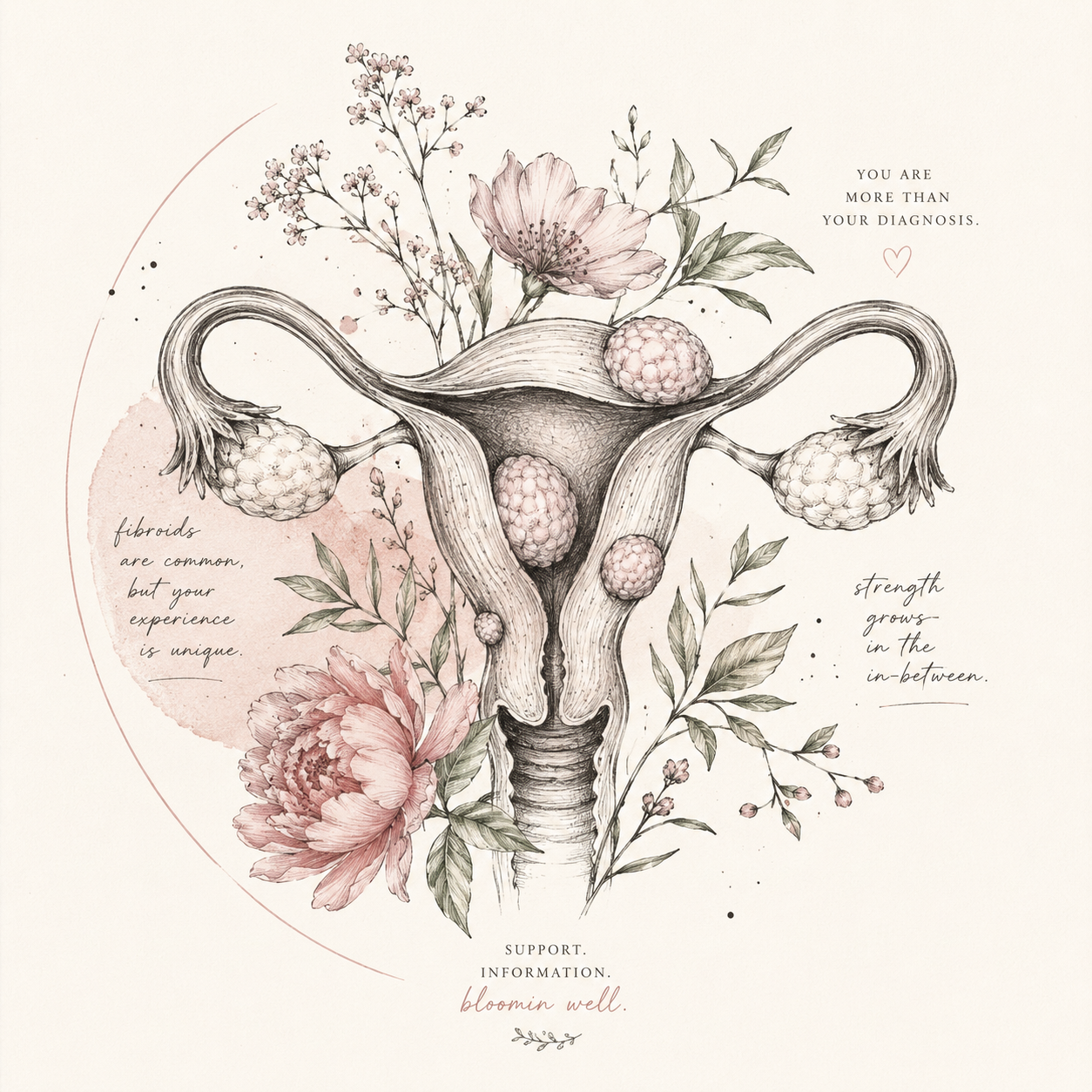
If you have uterine fibroids, you have probably been given a narrow set of options. Watch and wait. Birth control to manage bleeding. Medication to shrink them temporarily. Surgery to remove them, or in more serious cases, a hysterectomy.
Many women leave those appointments feeling like nothing in between exists. Like their only choices are to endure or to have surgery. And like the underlying biology of why they have fibroids in the first place was never really discussed at all.
That gap is exactly what this post is for.
We are not going to tell you that supplements cure fibroids. They do not. We are going to tell you what the current research actually shows about the role of vitamin D, green tea extract, and other compounds in fibroid biology, including some genuinely exciting findings from Johns Hopkins researchers and NIH-funded trials that most women with fibroids have never heard about.
And we are going to give you a complete functional medicine picture of what fibroids are, why they grow, and what you can actually do to support your body, whether you are actively managing fibroids, trying to avoid another recurrence after surgery, or just starting to learn what is happening in your body.
Quick Answer
Uterine fibroids are the most common benign tumor in women, driven primarily by estrogen dominance, vitamin D deficiency, inflammation, and gut dysbiosis. Research shows a significant connection between low vitamin D and fibroid presence and growth. Multiple clinical studies — including a placebo-controlled trial — suggest vitamin D supplementation may slow or prevent fibroid growth. EGCG, the active compound in green tea, showed a 32.6% reduction in total fibroid volume in a placebo-controlled randomized trial and is currently being studied in an NIH-funded Phase 3 clinical trial. These are not alternatives to medical care — they are adjunctive supports that work best alongside proper diagnosis, monitoring, and personalized treatment planning.
The Short Version
Uterine fibroids affect up to 70–80% of women by age 50. Despite their benign nature, fibroids frequently cause heavy menstrual bleeding, infertility, pelvic pain, and the need for invasive interventions such as hysterectomy.
Preclinical studies demonstrate consistent inhibition of fibroid cell proliferation and a reduction in tumor volume with vitamin D supplementation. Clinical observations consistently associate low vitamin D levels with an increased frequency and larger size of fibroids.
A meta-analysis of five randomized controlled trials found that vitamin D supplementation could significantly decrease the size of uterine fibroids.
One pilot study of vitamin D for secondary prevention of fibroids demonstrated vitamin D reduced recurrence rates by 50% and reduced the size of recurrent fibroids.
A placebo-controlled randomized clinical trial of EGCG (green tea extract) showed a significant 32.6% reduction in total fibroid volume. EGCG treatment also significantly reduced fibroid-specific symptom severity by 32.4% and improved quality of life.
A 2025 review from Johns Hopkins Medicine researchers indicates that the combination of vitamin D and EGCG has complementary mechanisms and preliminary clinical evidence shows promising results including reduction in fibroid volume and improved quality of life.
Black women are two to three times more likely to develop fibroids, get them younger, and experience more severe symptoms. The racial disparity is real, documented, and demands to be named.
No supplement replaces appropriate diagnosis and medical care. These are tools for a bigger picture.
What Are Uterine Fibroids?
Uterine fibroids — also called leiomyomas or myomas — are growths that develop in or around the uterus. They are made of smooth muscle and connective tissue. They are almost always noncancerous. They range from the size of a small seed to as large as a grapefruit or bigger.
Uterine fibroids are the most common benign tumor of the female reproductive tract. They occur in an estimated 70–80% of women by age 50.
Some women have fibroids and never know it. Others experience symptoms that severely disrupt their daily lives. The most common symptoms include:
Heavy, prolonged, or painful periods
Bleeding and clotting that soaks through protection
Pelvic pressure or a feeling of fullness in the lower belly
Frequent urination if a fibroid presses on the bladder
Pain during sex
Low back or leg pain if a fibroid presses on nerves
Difficulty getting pregnant or keeping a pregnancy
Fibroids are the leading indication for hysterectomy in the United States. That statistic matters. It means that in many cases, women are having major surgery to remove a noncancerous growth from their bodies — surgery that ends their ability to carry a pregnancy — often without being fully informed of what other options exist, including options to understand and address what drove the fibroids in the first place.








Why Do Fibroids Grow? The Root Causes
This is the foundational piece most fibroid conversations skip entirely. The pathogenesis of fibroids is multifactorial, involving hormonal dysregulation — particularly estrogen and progesterone — genetic mutations, extracellular matrix accumulation, and modifiable risk factors such as vitamin D deficiency and obesity.
Let's unpack the most important and most actionable of those.
Estrogen Dominance
Fibroids are estrogen-dependent. They need estrogen to grow. Fibroids have not been documented in people who haven't reached puberty, and the condition recedes after menopause — the phase of life when estrogen is naturally low.
This tells us something important. Remove the estrogen signal — as happens naturally after menopause — and fibroids tend to shrink. The problem is that many women in their 30s and 40s are living in a state of estrogen dominance — too much estrogen relative to progesterone — driven by chronic stress, poor gut health, liver congestion, environmental chemical exposure, insulin resistance, and excess body fat.
Estrogen dominance — a condition where estrogen is either too high or is unbalanced relative to progesterone — is a major culprit behind fibroid development and growth.
Vitamin D Deficiency
This is where the most exciting recent research lives. And we will spend significant time here because it deserves it.
Accumulating evidence suggests a strong association between vitamin D deficiency and uterine fibroid prevalence. Current data show that individuals with sufficient vitamin D levels are at a reduced risk of developing uterine fibroids.
A 2026 systematic review found that clinical observations consistently associate low vitamin D levels with an increased frequency and larger size of fibroids.
This is not a small or uncertain association. One of the most important early studies, from the National Institute of Environmental Health Sciences, found that women with sufficient vitamin D had an estimated 32% lower odds of having fibroids compared with women who were vitamin D insufficient.
We will go into the full vitamin D story in its own section because it is one of the most important pieces of the fibroid puzzle and one of the most actionable.
Inflammation
Fibroids thrive in an inflammatory environment. Estrogen dominance, metabolic syndrome, inflammation, and low vitamin D are all related to an increased incidence of fibroids.
Chronic inflammation — driven by poor diet, gut dysbiosis, excess body fat, chronic stress, and environmental chemical exposure — creates the conditions in which fibroid cells grow more aggressively. Anti-inflammatory strategies are therefore not peripheral to fibroid management. They are central to it.
Gut Health and the Estrobolome
Your body uses estrogen and then eliminates it, first sending it to the liver and from there into the gut via bile. But imbalanced gut bacteria can interfere with that process by cutting off the signal for estrogen excretion, causing estrogen to be recycled back into the body instead. This process, called enterohepatic recirculation, sets the stage for estrogen dominance.
Certain gut bacteria produce an enzyme called beta-glucuronidase. When this enzyme is elevated, which is common with gut dysbiosis or SIBO, it deconjugates estrogen that was on its way out of the body and sends it back into circulation. Higher circulating estrogen means more estrogen available to stimulate fibroid growth.
This is why gut health is not a tangent in the fibroid conversation. It is one of the primary upstream levers.
Environmental Chemicals — Xenoestrogens
Exposure to persistent organic pollutants has been correlated with an increased risk of developing fibroids. These substances, such as polychlorinated biphenyls and certain pesticides, have been found to disrupt the endocrine system, which regulates hormonal balance. Endocrine-disrupting chemicals can mimic or interfere with natural hormones in the body, including estrogen, and influence fibroid growth.
This includes chemicals in certain plastics, synthetic fragrance, conventional personal care products, pesticide residues on food, and industrial pollutants in air and water.



The Racial Disparity That Deserves to Be Said Out Loud
Approximately 70% of White women and 80–90% of Black women will get fibroids in their lifetime. Black women in the United States are more likely to get fibroids, get them at a younger age — which has a direct impact on reproduction — and suffer more severe symptoms, including anemia requiring blood transfusions, infertility, and significant detriments to quality of life.
Black women are 2–3 times more likely to have a hysterectomy and 7 times more likely to have a myomectomy, despite effective non-surgical options that carry fewer complications.
The reasons for this disparity are complex and they are not primarily biological. They include the cumulative health effects of chronic stress and systemic racism — a phenomenon researchers call weathering. Researchers have linked higher toxic exposure among Black women to increased rates of fibroids and more severe symptoms. This exposure includes chemicals like phthalates found in hair straighteners, as well as pollutants in air and water.
Black women reported that physicians mentioned hysterectomies as the only treatment option and that their treatment plans were curated based on their race rather than individual medical need.
If you are a Black woman navigating a fibroid diagnosis, we want you to know: you have the right to complete information, to conservative management options before surgery, to second opinions, and to a practitioner who takes your symptoms and your goals seriously. The disparity you may be experiencing in healthcare is documented, it is real, and it is not your fault.
Vitamin D is particularly relevant here. The same NIEHS study that found a 32% lower fibroid risk in women with sufficient vitamin D showed that only 10% of Black women had vitamin D levels considered sufficient, compared with 50% of White women. Vitamin D deficiency driven by skin melanin and often inadequate supplementation recommendations for Black women is a modifiable and underaddressed factor in fibroid risk.
Why Vitamin D Is a Breakthrough Story for Fibroids
This is the part of the post we are most excited to share with you. Because the research here has become genuinely compelling — and almost nobody is telling women with fibroids about it.
The Big Pattern: Low Vitamin D Means More Fibroids and Bigger Fibroids
A comprehensive systematic review from 2026 — published in Endocrine Reviews — concluded that current data show individuals with sufficient vitamin D levels are at a reduced risk of developing uterine fibroids. Recent investigations have unveiled a strong link between vitamin D levels and the presence of uterine fibroids.
This is not a small or one-off finding. Fourteen clinical studies involving 3,535 participants assessed serum vitamin D level in women with ultrasound-proven fibroids. All fourteen studies found an inverse correlation between serum vitamin D level and presence of fibroids.
All fourteen. Not most. All.
A 2026 study published in the journal Genetics and Molecular Research found that the mean serum vitamin D level was significantly lower in women with fibroids compared to women without them (18.6 vs. 27.4 ng/mL), and that vitamin D deficiency was present in 64% of cases compared with 28% of controls. Serum vitamin D levels showed a significant negative correlation with fibroid volume — meaning the lower the vitamin D, the bigger the fibroids tended to be.
A large prospective study in African American and Black women followed fibroid growth and vitamin D levels over five years using ultrasound. Higher vitamin D levels were associated with slower fibroid growth — and women with adequate vitamin D were more likely to experience fibroid loss (fibroids shrinking or resolving on their own) than women with insufficient levels.
How Does Vitamin D Work Against Fibroids?
Vitamin D regulates key processes including cell proliferation and apoptosis. In vitro and in vivo studies have demonstrated the efficacy of vitamin D against uterine fibroids. Vitamin D treatment of fibroid cells decreased proliferation, extracellular matrix protein expression, and Wnt/β-catenin signaling.
In plain language:
Cell proliferation means fibroids growing by adding new cells. Vitamin D helps slow that down.
Extracellular matrix is the scaffolding that holds fibroid tissue together and makes fibroids stiff and dense. Vitamin D helps reduce its production.
Wnt/β-catenin signaling is a pathway that tells fibroid cells to keep dividing. Vitamin D interferes with that signal.
Vitamin D also has anti-inflammatory and immune-modulating effects that address the broader inflammatory environment that allows fibroids to thrive.
What the Clinical Trials Show
A systematic review and meta-analysis of five randomized controlled trials involving 511 participants found that vitamin D supplementation could significantly decrease the size of uterine fibroids compared to placebo.
One individual randomized trial — where women with fibroids received 50,000 IU of vitamin D weekly for eight weeks — found that the fibroid diameter slightly decreased in the vitamin D group while increasing significantly in the control group. The difference was statistically significant.
Perhaps the most striking finding came from a randomized, double-blind, placebo-controlled pilot study focused specifically on recurrence prevention. Women who had undergone hysteroscopic myomectomy were randomly given either vitamin D (1,000 IU daily) or placebo for 12 months. Vitamin D reduced recurrence rates of uterine fibroids by 50%. Vitamin D also reduced the size of recurrent uterine fibroids.
This is a meaningful finding for any woman who has had fibroids removed and is concerned about them growing back.
Important caveats: the studies vary in their design, duration, dosing, and starting vitamin D status. The participants in supplementation trials typically started with vitamin D insufficiency — meaning these results apply specifically to correcting deficiency, not to supplementing beyond adequate levels. The overall evidence is promising but not yet definitive enough to make universal recommendations without individual testing.
What to do: Get your vitamin D tested. Specifically ask for 25-hydroxyvitamin D. Clinical evidence supports a decrease in fibroid incidence, volume, and growth rate in women with adequate vitamin D. Optimal levels are typically considered to be 40–60 ng/mL or higher — above the conventional laboratory normal lower limit of 20–30 ng/mL. If you are deficient, correcting that deficiency with D3 (cholecalciferol) alongside K2 (as MK-7) is one of the most well-supported steps you can take for fibroid biology.



EGCG From Green Tea — The Compound Researchers at Johns Hopkins Are Studying
EGCG stands for epigallocatechin gallate. It is the most active compound in green tea — a powerful antioxidant and anti-inflammatory that has been studied specifically for uterine fibroids in both laboratory research and clinical trials.
The research on EGCG and fibroids has been driven primarily by researchers at Johns Hopkins Medicine and the University of Chicago, and it is more advanced than most people realize.
The Clinical Trial That Started It All
A randomized, double-blind, placebo-controlled clinical trial enrolled 39 reproductive-age women with symptomatic uterine fibroids. Women were randomized to receive either 800 mg of green tea extract — standardized to 45% EGCG — or placebo daily for four months. In the placebo group, fibroid volume increased by 24.3% over the study period. Women randomized to green tea extract showed a significant 32.6% reduction in total fibroid volume. EGCG treatment also significantly reduced fibroid-specific symptom severity by 32.4% and induced significant improvement in quality of life. Anemia improved significantly, and average blood loss decreased from 71 mL per month to 45 mL per month in the EGCG group.
To put that in plain language: fibroids in the untreated group grew by almost a quarter in just four months. Fibroids in the EGCG group shrank by nearly a third. Symptoms improved significantly. Bleeding decreased substantially. And no adverse effects were found.
This was a relatively small trial. But the results were consistent and the effect size was meaningful.
What Johns Hopkins Found in Fibroid Cells
Johns Hopkins Medicine researchers found that EGCG reduced protein levels of fibronectin — a structural protein in the fibroid extracellular matrix — by 46% to 52% compared with an untreated control group. They also found that EGCG disrupted pathways involved in fibroid tumor cell growth, movement, signaling, and matrix maintenance.
Fibronectin is part of the scaffolding that holds fibroids together and allows them to grow. Reducing it by nearly half is a meaningful finding at the cellular level.
The FRIEND Trial — NIH-Funded Phase 3 Research
Previous preclinical and clinical studies have shown that EGCG effectively reduces uterine fibroid size. This led to the development of the NIH-funded FRIEND trial — a multicentre, randomized, double-blinded clinical trial enrolling 200 participants with fibroids and unexplained infertility. Participants receive green tea extract containing 45% EGCG or placebo alongside fertility treatment. The hypothesis is that EGCG from green tea extract will shrink fibroids, enhance endometrial quality, and increase pregnancy likelihood.
This is Phase 3 research — the level of trial that happens immediately before potential FDA consideration. It is being conducted at Johns Hopkins, the University of Chicago, the University of Illinois at Chicago, and Yale University. This is serious, credentialed research being conducted at some of the most respected institutions in the country.
The FRIEND trial is testing 1,650 mg of EGCG daily — a higher dose than the earlier trial. The Phase 1 safety study confirmed no liver toxicity and no adverse effects at 800 mg daily. Both studies established that EGCG should be taken with food to reduce any risk of liver-related concerns.
How EGCG Works Against Fibroids
EGCG works through several pathways that are complementary to those of vitamin D:
It inhibits cell proliferation — stopping fibroid cells from dividing as rapidly. It promotes apoptosis — a process by which cells that should die actually do die. In fibroid cells, this process is often disrupted. It reduces fibrosis — the buildup of scar-like tissue that makes fibroids dense and voluminous. It has anti-estrogenic effects — it may help reduce the estrogen signaling that drives fibroid growth. It reduces inflammation — fighting the chronic inflammatory environment that allows fibroids to thrive.
Both vitamin D and EGCG inhibit cell proliferation and induce apoptosis. Their mechanisms of action are complementary, suggesting that a combined approach may produce synergistic effects.
The Vitamin D + EGCG Combination — What the 2025 Review Found
A 2025 review from Johns Hopkins Medicine researchers synthesized the combined evidence for vitamin D and EGCG in uterine fibroid management. Preliminary clinical evidence indicates promising results including reduction in fibroid volume, improved surgical outcomes, and enhanced quality of life when both compounds are used together. Given their complementary mechanisms, a synergistic effect of combined vitamin D and EGCG treatment has been explored.
This is genuinely new territory. The research on these two compounds together — rather than individually — is still in early stages. But the mechanistic rationale for combining them is strong, and the preliminary clinical signals are encouraging.
Neither compound is a pharmaceutical drug. Neither has been approved by any regulatory body for fibroid management. Neither is a substitute for proper diagnosis, monitoring, or medical care when warranted. What they represent is a meaningful and growing body of evidence that specific nutritional interventions may play a real role in fibroid biology — and that the question of whether supplementation can modify fibroid growth is being taken seriously by major research institutions.
Other Supportive Compounds With Evidence
DIM (Diindolylmethane)
DIM is a compound that forms when you digest cruciferous vegetables like broccoli, cauliflower, and kale. It supports healthy estrogen metabolism — helping the body process estrogen through pathways that produce less active estrogen metabolites rather than more reactive ones. Although no clinical trials exist on the use of DIM specifically for fibroids, clinical studies support its role in estrogen metabolism, breast health, and managing endometriosis.
DIM addresses the estrogen dominance component of fibroid biology from the liver and metabolism angle. It is commonly used in functional medicine approaches to fibroid management alongside other supports.
Vitex (Chaste Tree Berry)
Vitex acts on the hypothalamus and pituitary glands to shift the ratio of estrogen to progesterone by supporting progesterone production. Because fibroids are driven by estrogen dominance — and low progesterone is often part of that picture — vitex is used in herbalist and naturopathic approaches to fibroid management as a hormonal balancing tool. It takes 4–6 months to show its effects.
Quercetin
Quercetin is a plant flavonoid found in apples, onions, capers, and leafy greens. Quercetin displays a pro-apoptotic effect on tumor cells and has been studied for its ability to prevent abnormal cell growth with virtually no side effects on normal cells. It also has mast-cell stabilizing properties — relevant for women with histamine intolerance or MCAS alongside fibroids.
Curcumin
Curcumin — the active compound in turmeric — has anti-inflammatory, anti-fibrotic, and anti-estrogenic properties that make it relevant to fibroid biology. It has been studied in the context of traditional Chinese herbal combinations for fibroids. Its systemic bioavailability is low without a delivery system — look for phospholipid-complexed or piperine-enhanced forms.
Berberine
Berberine may help stop fibroid growth by interfering with hormone signals. It also helps balance insulin, reducing insulin resistance, which is a modifiable fibroid risk factor. Berberine is increasingly relevant as the connection between metabolic health and fibroid risk becomes better understood.
Iron — The Urgent Companion
Almost every woman with significant fibroid-related bleeding is depleted in iron. Persistent heavy menstrual bleeding can induce iron-deficiency anemia and associated fatigue and loss of energy. Heavy menstrual bleeding is a primary reason for the deterioration in health-related quality of life assessed in patients with uterine fibroids.
Iron depletion — even before it reaches anemia — causes fatigue, brain fog, poor exercise tolerance, breathlessness, cold intolerance, and reduced immune function. It makes everything harder. And it is almost universally undertreated in women with fibroids because ferritin is often not checked, and conventional normal ranges for hemoglobin miss subclinical deficiency.
Get your ferritin tested. Optimal ferritin for energy and neurological function is typically 50–100 ng/mL — not the conventional lower limit of 12. If you are deficient, address it. Iron bisglycinate is the gentlest oral form. Take it with vitamin C and away from coffee, calcium, and dairy.
Anemia significantly improved in the EGCG trial — blood loss decreased from 71 mL per month to 45 mL per month in the EGCG group. This is one of the most practically meaningful benefits — less bleeding means less iron depletion. The supplement that reduces fibroid volume and bleeding simultaneously is reducing the very thing that depletes your iron stores.


The Functional Medicine Picture — Diet, Gut, Estrogen, and Lifestyle
As part of a personalized therapeutic strategy to address uterine fibroids, the following are components of a foundational functional medicine approach: addressing hormonal imbalances that may include estrogen dominance, supporting gut health and decreasing overall inflammation, improving detoxification and waste elimination to help remove excess estrogen, stabilizing blood sugar and insulin, reducing exposure to endocrine-disrupting chemicals, implementing an effective exercise strategy, and addressing micronutrient deficiencies.
That is a comprehensive list. Let's make it practical.
Eat to Support Estrogen Clearance
Cruciferous vegetables daily. Broccoli, cauliflower, Brussels sprouts, kale, and cabbage contain compounds called indoles and sulforaphanes that support healthy estrogen metabolism through the liver. Cruciferous vegetables are the most important single food category for estrogen-dominant conditions. Aim for at least one generous serving daily.
High fiber diet. Fiber binds to estrogen in the gut and helps carry it out of the body before it can be reabsorbed. Women who eat more fiber have lower circulating estrogen. Aim for at least 25–30 grams daily from whole food sources — vegetables, legumes, whole grains, flax seeds.
Anti-inflammatory foods. Cold-water fish, berries, nuts and seeds, turmeric, ginger, green tea, and olive oil all reduce the chronic inflammatory environment that fibroids need to thrive. Reduce pro-inflammatory foods such as commercially produced red meats, sugar, refined grains, alcohol, and caffeine.
Reduce or eliminate alcohol. Alcohol increases estrogen levels directly — by impairing the liver's ability to clear estrogen efficiently. Even moderate alcohol consumption is associated with higher estrogen levels and potentially higher fibroid risk.
Support Your Liver
The liver is your estrogen processing plant. It conjugates estrogen so the gut can excrete it. When the liver is overloaded — by alcohol, medications, inflammatory diet, poor sleep, or high stress — estrogen clearance slows and recirculation increases.
B vitamins — especially B6, B12, and folate in their active methylated forms — are required for liver estrogen metabolism. Poor methylation is a contributing factor that encourages estrogen to be metabolized down a more problematic pathway. Milk thistle (silymarin) supports liver cell health and bile production. Dandelion root stimulates bile flow. Both are practical daily liver support tools.
Fix Your Gut
Ensure beta-glucuronidase levels are in range — this enzyme is often elevated with SIBO or gut bacterial overgrowth and drives estrogen recycling.
Testing beta-glucuronidase activity through a comprehensive stool test (like the GI Map) gives you direct information about whether gut dysbiosis is actively worsening your estrogen load. Addressing SIBO, dysbiosis, and gut permeability is therefore directly relevant to fibroid biology — not tangential to it.
Calcium D-glucarate is a compound that inhibits beta-glucuronidase directly — it supports the gut's ability to excrete estrogen rather than recirculating it. It is a frequently used supplement in functional medicine approaches to estrogen-dominant conditions.
Reduce Chemical Exposure
Environmental chemical exposure — including phthalates, PCBs, dioxins, and formaldehyde — acts as xenoestrogens, mimicking estrogen in the body and directly driving fibroid growth.
Practical steps: switch to glass food storage. Choose fragrance-free personal care and cleaning products. Filter your drinking water. Choose organic produce for the most pesticide-laden fruits and vegetables. Avoid heating food in plastic containers.
None of these changes are a cure. All of them reduce your total xenoestrogen burden — which reduces the signal driving fibroid growth.
Blood Sugar and Insulin
Insulin resistance — chronically elevated insulin — promotes estrogen production in fat tissue and drives inflammation. It is an independent risk factor for fibroid growth. Increased body fat, especially abdominal visceral fat, increases the risk of fibroids because fat tissue produces estrogen.
Blood sugar stabilization — through protein-anchored meals, reduced refined carbohydrates, adequate fiber, and regular movement — is directly relevant to fibroid management.
Movement
Regular movement reduces insulin resistance, lowers inflammation, supports liver function, and helps the body process estrogen more efficiently. It does not need to be intense. Consistent walking, gentle strength work, and yoga all contribute.
What to Look for When Buying Supplements
Vitamin D: Look for D3 (cholecalciferol) rather than D2. Take with K2 as MK-7 — K2 directs calcium to bones rather than arteries and works in concert with D3. Take with a fat-containing meal for best absorption. Emulsified or liquid D3/K2 is better absorbed if your fat digestion is compromised.
EGCG/Green tea extract: Look for a standardized extract with a specified percentage of EGCG content — typically 45–50%. Products should specify how much total EGCG is in each dose. Research doses have been at 800 mg of green tea extract (standardized to 45% EGCG = approximately 360 mg EGCG) daily. Higher doses are being studied in the FRIEND trial. Always take with food. Choose third-party tested brands. Note: the U.S. Pharmacopeia identified hepatotoxicity concerns with green tea extract at high doses. Research shows taking it with food reduces this risk significantly. Work with a practitioner when using at therapeutic doses.
Iron bisglycinate: Gentlest form, least likely to cause constipation. Test first. Take with vitamin C, away from coffee, tea, calcium, and dairy.
DIM: Look for diindolylmethane in a bioavailable form. Often found combined with phytosome technology or with broccoli seed extract for enhanced activity. Not appropriate during pregnancy.
Calcium D-glucarate: Typically available as a standalone supplement or combined with DIM in estrogen support formulas. 500–1,000 mg daily is a common functional medicine dose.
Third-party tested products from practitioner-grade brands go through quality verification that most retail supplements do not. Fullscript carries professional-grade formulations for many of these compounds.
When to See a Doctor — The Non-Negotiable
Supplements and lifestyle changes are supportive tools. They are not a substitute for appropriate medical diagnosis and care. Please seek medical evaluation if:
You have heavy periods that are getting worse or preventing you from living your normal life
You pass clots larger than a quarter
You feel dizzy, faint, very pale, or extremely exhausted during or after your period
You have pelvic pain or pressure that is significant or new
You have difficulty urinating or feel like you cannot fully empty your bladder
You have been trying to conceive without success
You have a known fibroid and have not had an ultrasound to monitor it recently
Your symptoms have changed significantly
A pelvic ultrasound is the standard way to diagnose and monitor fibroids — it shows their size, number, and location. Your doctor should also check your ferritin and full blood count to evaluate anemia. A complete hormone panel and thyroid panel are worth requesting to understand the full hormonal picture.
If you are given a hysterectomy as the first and only option without a thorough discussion of less invasive alternatives — including myomectomy, uterine fibroid embolization, hormonal medication options, and supportive lifestyle strategies — please seek a second opinion. You have the right to one.
Questions People Ask Most
Does vitamin D actually shrink fibroids?
A meta-analysis of five randomized controlled trials found that vitamin D supplementation could significantly decrease the size of uterine fibroids compared to placebo. One trial found a 50% reduction in fibroid recurrence with daily vitamin D after myomectomy. The effect appears most pronounced in women who are starting from a position of vitamin D deficiency — which is extremely common in women with fibroids. This is not a guaranteed shrinkage — it is a significant reduction in growth rate and size, primarily documented in vitamin D-deficient women.
Does green tea really shrink fibroids?
A randomized placebo-controlled clinical trial found a 32.6% reduction in total fibroid volume and 32.4% reduction in symptom severity in women taking 800 mg of standardized green tea extract daily for four months compared with placebo. This is from one relatively small trial. However, it is a high-quality, placebo-controlled trial and the effect size was substantial. NIH-funded Phase 3 research is now underway to confirm and expand these findings.
How much vitamin D should I take for fibroids?
This depends on your starting level. Clinical trials used doses of 50,000 IU weekly for 8–12 weeks or 1,000 IU daily for 12 months in women who were deficient. The appropriate dose for you depends on your current serum 25-hydroxyvitamin D level. Get tested before supplementing. Work with a practitioner on dosing. Vitamin D is fat-soluble and accumulates over time — unsupervised high doses can cause toxicity.
Can I drink green tea instead of taking EGCG supplements?
Regular brewed green tea contains EGCG — but at much lower concentrations than the standardized extract used in clinical trials. The research uses 800 mg of standardized 45% EGCG extract daily. To approximate that amount from tea would require many cups. Tea is a beneficial daily habit. It is not the same as the therapeutic extract doses used in research.
Will vitamin D and EGCG work if my fibroids are very large?
The research does not provide a clear answer based on fibroid size. Studies have shown benefit in women with symptomatic fibroids of varying sizes. Very large fibroids that are causing significant symptoms may need medical or surgical management as a primary intervention, with these supportive approaches used alongside.
Can these supplements prevent fibroids from coming back after surgery?
A randomized pilot study found that vitamin D reduced fibroid recurrence rates by 50% in women who had undergone hysteroscopic myomectomy. This is a meaningful finding for recurrence prevention. It remains preliminary — one trial, relatively small sample. But for women who have had fibroids removed and want to reduce recurrence risk, optimizing vitamin D and addressing the underlying estrogen dominance and other root causes is among the most evidence-informed steps available.
Are there supplements that make fibroids worse?
High doses of phytoestrogens — plant compounds that weakly mimic estrogen — have been theoretically concerning in estrogen-driven conditions, though the evidence in fibroids specifically is mixed and often reassuring. More clearly relevant: anything that increases estrogen load or promotes estrogen recirculation. High-dose isoflavone supplements, alcohol, and anything that burdens the liver are worth avoiding or minimizing.
How long before I might see results from vitamin D or EGCG?
The clinical trials used periods of two to six months. Changes in fibroid size are measured by ultrasound — which means you cannot feel the change. What you may notice sooner is improvement in symptoms like bleeding volume and quality of life, as was seen in the EGCG trial within four months. Vitamin D effects on fibroid growth are more about rate of change over time.
The Bottom Line
The research on natural support for uterine fibroids is more advanced and more compelling than most women — and most doctors — currently know about.
Preliminary clinical evidence indicates promising results including reduction in fibroid volume, improved surgical outcomes, and enhanced quality of life from vitamin D and EGCG.
These are not miracle supplements. They are specific nutritional interventions with biologically plausible mechanisms and growing clinical evidence — being studied by Johns Hopkins and NIH-funded researchers who take this question seriously.
What the evidence supports most clearly:
Correcting vitamin D deficiency is one of the most important and most accessible steps for women with or at risk for fibroids
EGCG at therapeutic doses showed meaningful reduction in fibroid volume and symptoms in a placebo-controlled trial
The combination of the two shows early promise and is being actively researched
Estrogen metabolism support — through diet, liver support, gut health, and reducing chemical exposure — addresses the root of the hormonal environment that drives fibroid growth
Iron monitoring and correction are urgent and often missed priorities for women with fibroid-related heavy bleeding
What the evidence does not yet fully support:
That any supplement eliminates the need for appropriate medical diagnosis and monitoring
That supplements alone are sufficient for large or severely symptomatic fibroids
That every woman with fibroids will respond the same way to these interventions
This is a picture that is actively developing. The researchers working on it are credentialed, well-funded, and taking the question seriously. So should you.
If you want help building a personalized approach to fibroid support — understanding your specific vitamin D status, your estrogen clearance picture, your gut health, your iron status, and how to put this all together in a way that makes sense for your body — that is exactly the kind of work we do inside educational consultations.
Request an Educational Consultation at bloominwell.com/consultations
References
Ploumaki I, El Sayed S, Asamoah-Mensah A, et al. The Potential of Vitamin D and Epigallocatechin Gallate (EGCG) for the Treatment of Uterine Fibroids: Evidence From In Vitro to Clinical Studies. Mol Nutr Food Res. 2025;69(22):e70231. doi:10.1002/mnfr.70231
Ciebiera M, Zarychta E, Żeber-Lubecka N, et al. Vitamin D and Uterine Fibroids: Insights into Pathophysiology and Therapeutic Potential. Endocrine Reviews. 2026;47(3):329–350. doi:10.1210/endrev/bnaf043
Irnazarova D. Vitamin D and Uterine Fibroids: Systematic Review of Molecular Mechanisms and Clinical Outcomes. Am J Med Med Sci. 2026;16(1):138–144. doi:10.5923/j.ajmms.20261601.31
Combs A, Singh B, Nylander E, et al. A Systematic Review of Vitamin D and Fibroids: Pathophysiology, Prevention, and Treatment. Reprod Sci. 2023;30(4):1049–1064. doi:10.1007/s43032-022-01011-z
Sabry M, et al. Effect of Oral Consumption of Vitamin D on Uterine Fibroids: A Systematic Review and Meta-Analysis of Randomized Clinical Trials. Reprod Biol Endocrinol. 2024.
Mohammadi-Shemirani P, et al. The Association of Vitamin D with Uterine Fibroids in Premenopausal Patients: A Systematic Review and Meta-Analysis. J Obstet Gynaecol Canada. 2024. doi:10.1016/j.jogc.2024.102613
Othman ER, et al. The effect of vitamin D on recurrence of uterine fibroids: A randomized, double-blind, placebo-controlled pilot study. Int J Gynaecol Obstet. 2022. doi:10.1002/ijgo.14079
Davari Tanha F, et al. The Effect of Vitamin D Deficiency on Overgrowth of Uterine Fibroids: A Blinded Randomized Clinical Trial. Int J Fertil Steril. 2021;15(2):95–100.
Al-Hendy A, Mbuya-Brown R, et al. Treatment of symptomatic uterine fibroids with green tea extract: a pilot randomized controlled clinical study. Int J Womens Health. 2013;5:477–486. doi:10.2147/IJWH.S41021
Al-Hendy A, Segars JH, Taylor HS, et al. Fibroids and unexplained infertility treatment with epigallocatechin gallate (FRIEND): protocol for a randomised placebo-controlled US multicentre clinical trial. BMJ Open. 2024;14(1):e078989.
Segars JH, et al. New study using human fibroid cells supports use of green tea compound as treatment for uterine fibroids. Johns Hopkins Medicine. July 2023.
Institute for Functional Medicine. Uterine Fibroids: Risk Factors and Lifestyle-Based Treatments. IFM.org.
Katon JG, Plowden TC, Marsh EE. Racial disparities in uterine fibroids and endometriosis: a systematic review and application of social, structural, and political context. Fertil Steril. 2023;119(3):355–363.
NICHD. Centers for Research on Health Disparities in Uterine Fibroids. National Institutes of Health.
Manzane GV, Modise JS, Okoli BJ, et al. Ethnopharmacological insights into uterine fibroids: a review of etiology and therapeutic potential of natural products. Front Pharmacol. 2026;16:1714256. doi:10.3389/fphar.2025.1714256