

Supplements for Endometriosis: What the Research Actually Shows (An Honest 2026 Guide)
If you have endometriosis, you've probably spent hours in supplement rabbit holes. The lists are everywhere — NAC, omega-3, vitamin D, melatonin, curcumin, resveratrol, berberine, DIM. Some websites present every one of them as nearly miraculous. Others present supplements as useless against a condition that needs medical management.
The truth sits somewhere in the middle — and it's more nuanced and more interesting than either extreme.
This guide gives you an honest, evidence-graded look at what the current research actually shows, what remains genuinely uncertain, and how to think about supplementation as one piece of a larger picture. Because the research landscape has shifted considerably in 2025 and 2026, and some of the most confidently repeated supplement claims don't hold up as well under scrutiny as wellness content suggests.
What you need — and what most articles won't give you — is the nuanced, calibrated version. That's what we're here for.
Quick Answer
Several supplements have some human clinical evidence suggesting they may support endometriosis-related symptoms, primarily through antioxidant and anti-inflammatory pathways. The strongest clinical evidence exists for vitamins C and E taken together, with all four placebo-controlled trials showing positive effects on pain-related symptoms. Omega-3 fatty acids, melatonin, and NAC have preliminary but inconsistent human evidence. Vitamin D, curcumin, and resveratrol have mixed or limited human trial data despite strong mechanistic interest. No supplement is endorsed by major gynecological societies for endometriosis management, and none replaces appropriate medical evaluation and care. Supplements appear most useful as adjuncts — not substitutes — to an individualized approach.
Why Oxidative Stress and Inflammation Matter in Endometriosis
Endometriosis is a complex, estrogen-driven, inflammatory condition involving tissue similar to the uterine lining growing outside the uterus. But the reason supplements are even being studied in this context comes down to a specific biological pattern: endometriosis involves a complex interplay of inflammation, oxidative stress, angiogenesis, and dysregulated immune activity.
Oxidative stress refers to an imbalance between damaging free radicals and the body's antioxidant defenses. Deficiencies in vitamins D and E as well as zinc are associated with an increased risk of endometriosis development, and beneficial effects of magnesium, curcumin, resveratrol, and epigallocatechin-3-gallate have been found in experimental animal studies.
That last sentence contains an important distinction worth holding onto as you read this guide. Animal studies and in-vitro research are mechanistically interesting, they tell us how something might work, but they don't tell us whether it works in a human body at supplement doses. Many compounds look compelling in a petri dish or in a mouse model. Far fewer demonstrate consistent benefit in placebo-controlled human trials.
This distinction matters because it's the source of most of the gap between what wellness content says about endometriosis supplements and what the clinical research actually shows.
How to Read This Guide: Understanding Evidence Quality
Throughout this article, we'll use clear language about the quality of evidence behind each supplement:
Strong human evidence: Multiple well-designed randomized controlled trials (RCTs) with consistent results.
Moderate human evidence: At least one RCT with positive results, but results are inconsistent across studies or studies are small.
Preliminary human evidence: Observational studies, single small trials, or trials with methodological limitations. Promising but not yet confirmatory.
Mechanistic/animal evidence only: Interesting in the lab but no meaningful human clinical data yet.
Mixed evidence: Multiple human trials with conflicting results. We'll tell you why.
The April 2026 critical review that analyzed 34 studies — the most comprehensive recent synthesis available — is a key reference throughout this piece. Of these 34 studies, only 23 were randomized placebo-controlled trials, and no major gynecological society currently recommends the use of dietary supplements in the treatment of pain and infertility associated with endometriosis.
That's not a reason to dismiss supplements entirely. It is a reason to hold them with appropriate calibration.
Supplements With the Strongest Human Clinical Evidence
Vitamins C and E (Combined)
Evidence level: Moderate human evidence — the most consistent clinical data in this space
This is the combination with the most encouraging clinical signal in the current literature, and it's one most general wellness content underemphasizes relative to trendier compounds like NAC and curcumin.
Of everything reviewed in the April 2026 critical review, vitamins C and E taken together performed best. All four randomized controlled trials testing this combination found it helped reduce endometriosis-related pain.
Both vitamins are known for their antioxidative properties, and emerging research indicates that oxidative stress is implicated in the initiation of pain associated with endometriosis.
A 2023 systematic review and meta-analysis published in Reproductive Biology and Endocrinology analyzed 13 RCTs involving 589 patients and found that antioxidant vitamin supplementation can meaningfully support endometriosis-related pain outcomes, with vitamin E (with or without vitamin C) showing positive effects on clinical pelvic pain in chronic pelvic pain patients specifically.
It is worth noting that the individual studies were small, and more large-scale trials are needed. The antioxidant properties of these vitamins may help reduce inflammation linked to endometriosis. These vitamins are generally safe and inexpensive, but the studies were small, so more research is needed.
Bloomin' Well Take: Of everything currently available in the supplement research for endometriosis, vitamins C and E together have the most consistent clinical signal. They're inexpensive, widely available, and generally well tolerated. If you're looking for a reasonable place to start, this combination has earned its place more clearly than most others on this list. Standard doses used in research are approximately 1,000 mg of vitamin C and 400–800 IU of vitamin E daily, though individual needs vary and guidance from a practitioner familiar with your full picture is always worth having.
What to look for: Vitamin E as mixed tocopherols rather than alpha-tocopherol alone provides broader antioxidant activity. Vitamin C as ascorbic acid is effective; buffered forms (such as calcium ascorbate) may be easier on sensitive stomachs.
Omega-3 Fatty Acids (Fish Oil)
Evidence level: Mixed human evidence — biologically plausible, results inconsistent
Omega-3 fatty acids are among the most studied supplements in endometriosis research, and the biological rationale is compelling. EPA and DHA, the active components in omega-3s, help support immune regulation and help reduce the inflammatory cascade associated with endometriosis. They also offer benefits for mood and brain health, which are often affected in chronic pain conditions.
In a systematic review of 19 studies, omega-3 fatty acids and resveratrol were found to help reduce inflammation and processes involved in endometriosis severity, including abnormal blood vessel growth and tissue proliferation.
However, the picture from randomized trials is more complicated than this summary suggests. Fish oil supplements are popular for their anti-inflammatory effects, but the best clinical trial in endometriosis found that fish oil produced only modest pain improvement, comparable to what was seen in the placebo group. At this time, there is no strong evidence that fish oil helps endometriosis pain specifically.
The April 2026 critical review reflects this complexity: two out of three trials in this category showed positive results, but inconsistency across studies and small sample sizes limit the conclusions that can be drawn.
What is clear is that omega-3 fatty acids contribute meaningfully to overall inflammatory balance, gut microbiome health, and systemic inflammation — all of which are relevant to endometriosis. Even if the direct pain evidence remains inconsistent, the broader benefits for inflammatory physiology make omega-3s a reasonable ongoing consideration. Diets rich in omega-3 fatty acids, fiber, and polyphenols can positively impact gut microbiota and help mitigate inflammation, also enhancing the production of short-chain fatty acids which are important for regulating immune responses.
Bloomin' Well Take: Omega-3s are worth including for their broader anti-inflammatory and gut health benefits, with realistic expectations that the direct effect on endometriosis-specific pain is not yet clearly established in trials. Quality matters significantly — fish oil oxidizes easily, and a rancid supplement provides no benefit and may cause harm. Choose a triglyceride-form fish oil with third-party testing for oxidation, purity, and potency.
What to look for: Triglyceride form over ethyl ester, minimum 2g combined EPA and DHA daily, third-party tested for heavy metals and oxidation, refrigerated or in dark packaging.
Supplements With Mixed or Preliminary Human Evidence
Melatonin
Evidence level: Preliminary to moderate human evidence — emerging as the most biologically interesting antioxidant in this space
Melatonin is not just a sleep hormone. It is one of the body's most potent endogenous antioxidants, and it is increasingly recognized as having direct relevance to endometriosis biology.
A systematic review and meta-analysis published in Reproductive Biology and Endocrinology found that current low- to very low-certainty evidence suggests that antioxidant supplementation, particularly melatonin, may be associated with improvements in dysmenorrhea and chronic pelvic pain in endometriosis.
Among the non-mineral antioxidant interventions analyzed in a narrative review covering studies through January 2026, the most consistent clinical effects were observed with melatonin, with randomized controlled trials indicating a moderate reduction in pain.
A 2025 systematic review and meta-analysis published in Frontiers in Medicine analyzed 21 RCTs involving 1,626 participants. The results showed that antioxidant supplementation significantly alleviated pelvic pain, dysmenorrhea, and dyspareunia. Within this analysis, melatonin demonstrated the most consistent individual signal. doaj
The important caveat is that significant heterogeneity existed across studies — meaning results varied considerably across different trials. Due to considerable inconsistency and methodological limitations across studies, these findings must be interpreted with caution. The results underscore the urgent need for high-quality, large-scale RCTs to confirm any potential benefits.
Melatonin also connects to the nervous system and sleep architecture in ways that matter for women managing chronic pain conditions — poor sleep amplifies pain perception and inflammatory signaling, and melatonin supports the circadian rhythm that governs both.
Bloomin' Well Take: Melatonin has emerged as genuinely interesting in this space — more so than many more heavily marketed compounds. If sleep disruption is part of your picture (and for most women with chronic pain, it is), melatonin may support multiple relevant pathways simultaneously. Dosing in endometriosis research has typically been at 10 mg, which is higher than standard sleep doses — this warrants discussion with a practitioner before implementing. Morning grogginess at higher doses is real.




NAC (N-Acetylcysteine)
Evidence level: Preliminary human evidence — promising, but the evidence picture is more complicated than most wellness content suggests
NAC is arguably the most discussed supplement in endometriosis communities right now, and the interest is not unfounded. NAC is a non-mineral thiol compound that serves as a precursor of cysteine, an amino acid required for the synthesis of glutathione, one of the key components of the endogenous antioxidant defense system.
An observational cohort study and a prospective single-cohort study have shown encouraging results. A prospective study concluded that oral NAC improves endometriosis-related pain and the size of endometriomas. Furthermore, it decreases Ca125 serum levels and may improve fertility in patients with endometriosis. Patients in this study received 600 mg of oral NAC three days per week for three months.
However, the critical issue with the NAC evidence is study design. Observational studies suggest less pain and more stable endometriomas, but a randomized study found no clear additional benefit over the pill. The April 2026 critical review specifically notes that the single available RCT evaluating NAC effectiveness did not confirm its benefit, even though observational studies have suggested promise.
Single studies evaluating the effectiveness of NAC have not confirmed benefit in the randomized placebo-controlled setting.
This does not mean NAC is without value — it means the question isn't answered yet. The mechanistic rationale is strong. The observational data is encouraging. But the one randomized trial we have didn't show the same result. More well-designed RCTs are genuinely needed before NAC can be recommended with confidence.
Bloomin' Well Take: NAC is one of the more biologically plausible supplements in this space — glutathione support, antioxidant activity, and anti-inflammatory effects are real mechanisms. The observational evidence is interesting and has driven appropriate practitioner interest. But be cautious about content that presents NAC as more proven than it currently is. The honest position is: promising but not yet confirmed in RCT evidence. This is a supplement worth a thoughtful conversation with a practitioner rather than something to implement based on social media enthusiasm alone.
NAC should not be used during pregnancy without medical supervision. It may interact with nitroglycerin medications. Some people experience nausea, particularly at higher doses — taking it with food helps.
Magnesium
Evidence level: Preliminary human evidence with strong theoretical support
Magnesium is one of the minerals most relevant to the experience of endometriosis — not because it targets the condition directly, but because of its role in multiple interconnected pathways.
Magnesium is involved in prostaglandin metabolism, and prostaglandins are key drivers of menstrual pain and cramping. It supports nervous system regulation, which is particularly relevant for women whose pain has sensitized the nervous system over time. It is also involved in muscle relaxation, cortisol regulation, and sleep quality — all of which are commonly disrupted in chronic pain conditions.
A single RCT evaluating the effectiveness of magnesium in endometriosis has not confirmed benefit for endometriosis-specific outcomes. So the evidence specific to endometriosis as a condition is limited.
However, it is worth distinguishing between direct endometriosis-modifying effects and support for the overall physiology of a woman managing this condition. Magnesium deficiency is extremely common in women with chronic stress and inflammation — both of which are central to the endometriosis experience. Supporting adequate magnesium status through food and supplementation as needed addresses a foundational physiological need even when it doesn't show up as a single-study result for endometriosis specifically.
Bloomin' Well Take: Magnesium is not the most dramatic supplement on this list, but it may be one of the most practically valuable for the daily lived experience of endometriosis — particularly for sleep, nervous system support, muscle tension, and menstrual cramping. Magnesium glycinate is the most gentle and well-absorbed form for most women.



Iron (as a Monitoring Priority, Not a Blanket Supplement)
Evidence level: Observational evidence for deficiency link — supplementation should be guided by testing
Heavy menstrual bleeding is common in endometriosis, and recurring blood loss creates a real and significant risk of iron deficiency. Abnormal iron metabolism plays a role in the formation, maintenance, and inflammatory microenvironment shaping of ectopic lesions.
Iron deficiency — even in the subclinical range where ferritin is low but hemoglobin appears normal — contributes to fatigue, brain fog, difficulty concentrating, poor sleep quality, and reduced stress resilience. For women already managing a chronic pain condition, iron deficiency compounds the burden significantly.
This is not about supplementing iron indiscriminately. Iron supplementation without confirmed deficiency can cause oxidative stress and is not appropriate. But routine monitoring of ferritin — not just hemoglobin — is valuable for women with endometriosis who experience heavy periods. Optimal ferritin for energy and neurological function is generally considered to be above 50–70 ng/mL, well above the conventional laboratory lower limit.
Bloomin' Well Take: Get your ferritin tested. If it's below optimal ranges, appropriate supplementation under practitioner guidance is worth prioritizing. This is one of the most practical and frequently overlooked nutrition considerations in endometriosis management.
Iron bisglycinate is the gentlest and best-absorbed oral supplemental form. Take it with vitamin C for improved absorption and away from coffee, calcium, and zinc which all impair absorption.


Supplements With Mechanistic Interest but Insufficient or Mixed Human Data
Vitamin D
Evidence level: Mixed human evidence — deficiency association is real; supplementation trials inconsistent
Vitamin D deficiency is common in women with endometriosis, and there is clear mechanistic interest in its role — animal studies show promising results on endometriotic lesion regression, and in-vitro research suggests vitamin D decreases invasion and proliferation of endometriotic cells.
However, the human trial data has not translated these findings into clinical benefit as expected. A systematic review that included four human studies found no significant effect of vitamin D intake for dysmenorrhea or non-cyclic pelvic pain in women with endometriosis. In contrast, three of the four included animal studies showed regression of endometriotic implants when treated with vitamin D.
The April 2026 critical review confirms this picture: Clinical trials have not shown that vitamin D supplements significantly reduce endometriosis pain compared to placebo. Of four studies assessing vitamin D, two confirmed benefit and two did not.
None of this means vitamin D is unimportant for women with endometriosis. Vitamin D deficiency is associated with increased inflammatory activity, immune dysfunction, and hormonal disruption — all relevant to this condition. Optimizing vitamin D status is valuable for overall health regardless of its direct effect on endometriosis lesions.
Bloomin' Well Take: Test your vitamin D rather than assuming. Optimal levels are typically 60–80 ng/mL — above the conventional normal lower limit of 30 ng/mL. Supplementing to correct deficiency makes sense even without definitive endometriosis-specific trial evidence. Use D3 (cholecalciferol) with K2 (as MK-7) for best absorption and to direct calcium appropriately.


Curcumin (Turmeric)
Evidence level: Preliminary human evidence — biologically plausible, single small trial, not yet confirmed in RCT
Curcumin is the active compound in turmeric, and it is one of the most researched anti-inflammatory compounds in the world. The mechanistic rationale for its relevance to endometriosis is genuinely compelling — it modulates NF-κB signaling involved in inflammation, appears to influence estrogen-related pathways, and inhibits angiogenesis (new blood vessel formation relevant to lesion growth).
Following 2 months of daily curcumin supplementation, 33 women with endometriosis experienced significant improvements in pelvic pain, dysmenorrhea, and dyspareunia, with a 48% reduction in the number of participants using nonsteroidal anti-inflammatory drugs. This is an interesting finding from a small study.
However, the April 2026 critical review found no RCT evidence confirming curcumin's benefit when evaluated against a placebo. There have been no RCTs evaluating the effectiveness of curcumin in the treatment of endometriosis.
The study showing positive results did not include a placebo comparison, which makes it impossible to separate the effect of curcumin from placebo response, natural variation in symptoms, or the effect of participants paying closer attention to their health during the study.
Bloomin' Well Take: Curcumin is biologically interesting and has a strong safety profile at standard doses. The problem is not that it cannot work — it may well have genuine value — it is that we don't yet have the placebo-controlled trial evidence to know with confidence. If you choose to use it, bioavailability matters enormously: standard curcumin absorbs poorly without a delivery system. Look for formulations with piperine (black pepper extract), phospholipid complexes, or nanoparticle technology to improve absorption. Don't use it with blood thinners without medical guidance.
Resveratrol
Evidence level: Mixed — single RCT did not confirm benefit; animal and in-vitro data more encouraging
Resveratrol is a polyphenol antioxidant found in red grapes, berries, and other plants. It has generated significant research interest for endometriosis based on animal studies showing reduction of endometriotic lesion size and anti-proliferative effects.
A single study evaluating the effectiveness of resveratrol did not confirm its benefit in the randomized placebo-controlled setting. This is a meaningful finding — the one available RCT did not show the results seen in animal research. Acta Biomedica Atenei Parmensis
Bloomin' Well Take: Hold resveratrol with more caution than some wellness sources suggest. The animal data is interesting, the human trial we have is not confirmatory, and the supplement market is crowded with products of variable quality and bioavailability. Getting resveratrol through food sources — berries, grapes, dark chocolate — is a reasonable low-risk approach while the clinical evidence develops.
Probiotics
Evidence level: Preliminary — conceptually relevant, insufficient human trial data specific to endometriosis
The gut-endometriosis connection (discussed in more detail below) makes probiotics a biologically plausible area of interest. Of two studies assessing probiotics, one confirmed effectiveness and one did not.
Probiotics are generally well tolerated and support gut health broadly, making them a reasonable consideration for women whose digestive symptoms are part of their endometriosis picture — particularly given the high rates of IBS-like symptoms in this population.
Bloomin' Well Take: Probiotics don't yet have enough endometriosis-specific evidence to make a strong clinical recommendation, but they are a low-risk consideration for overall gut health in a condition where gut symptoms are common and the gut-immune connection is increasingly recognized. See the gut section below.







Selenium and Zinc
Evidence level: Preliminary — selenium single-study confirmation; no RCT data for zinc
A single study evaluating the effectiveness of selenium confirmed a positive result. There have been no RCTs evaluating the effectiveness of zinc in the treatment of endometriosis.
Both minerals play roles in antioxidant enzyme systems (selenium via glutathione peroxidase, zinc via multiple immune and hormonal pathways), and deficiency in either can contribute to immune dysfunction and inflammatory susceptibility relevant to endometriosis.
Bloomin' Well Take: These are worth including in a comprehensive nutritional support approach, especially if dietary intake is low. Testing zinc and selenium status through a practitioner gives you a more targeted approach than supplementing indiscriminately.
The Gut-Endometriosis Connection: A Genuinely Emerging Frontier
This is an area that most endometriosis supplement articles completely overlook — and it may be one of the most clinically important developments in understanding this condition.
Recent research suggests a possible involvement of the gut microbiome in endometriosis disease mechanisms through immune manipulation, estrogen metabolism, and inflammatory networks.
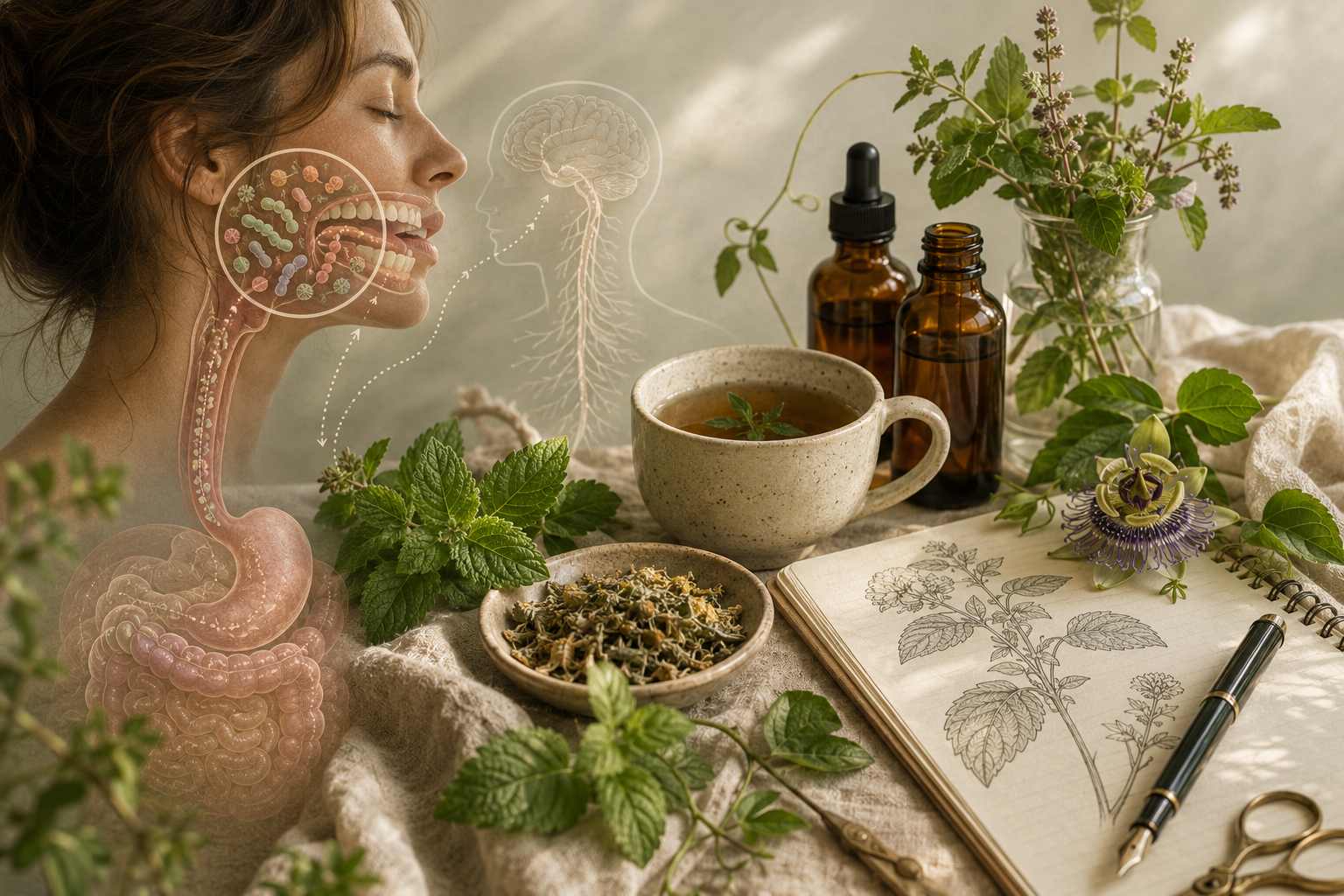
The connection works through several pathways. First, the estrobolome — the component of the gut microbiome responsible for estrogen metabolism. Emerging evidence links the gut microbiota to inflammation, estrogen metabolism, and immune responses — key factors in the onset and progression of endometriosis. When gut bacteria produce excess beta-glucuronidase enzymes, they deconjugate estrogen that was being prepared for excretion, allowing it to be reabsorbed into circulation and contributing to the estrogen-driven activity that characterizes endometriosis.
Second, gut dysbiosis drives systemic inflammation through multiple mechanisms — increased intestinal permeability, altered immune signaling, and changes in short-chain fatty acid production — all of which affect the inflammatory environment relevant to endometriosis.
A systematic review and meta-analysis exploring the association between gut microbiota and endometriosis — involving 1,727 women across 11 studies — confirmed altered gut microbiota profiles in endometriosis.
What this means practically is that supporting gut health is not tangential to endometriosis — it may be foundational to creating the internal environment where the body's inflammatory burden is lower. Dietary choices that support microbiome diversity, targeted probiotic support where indicated, and addressing gut permeability where present are all worth incorporating alongside specific supplements.
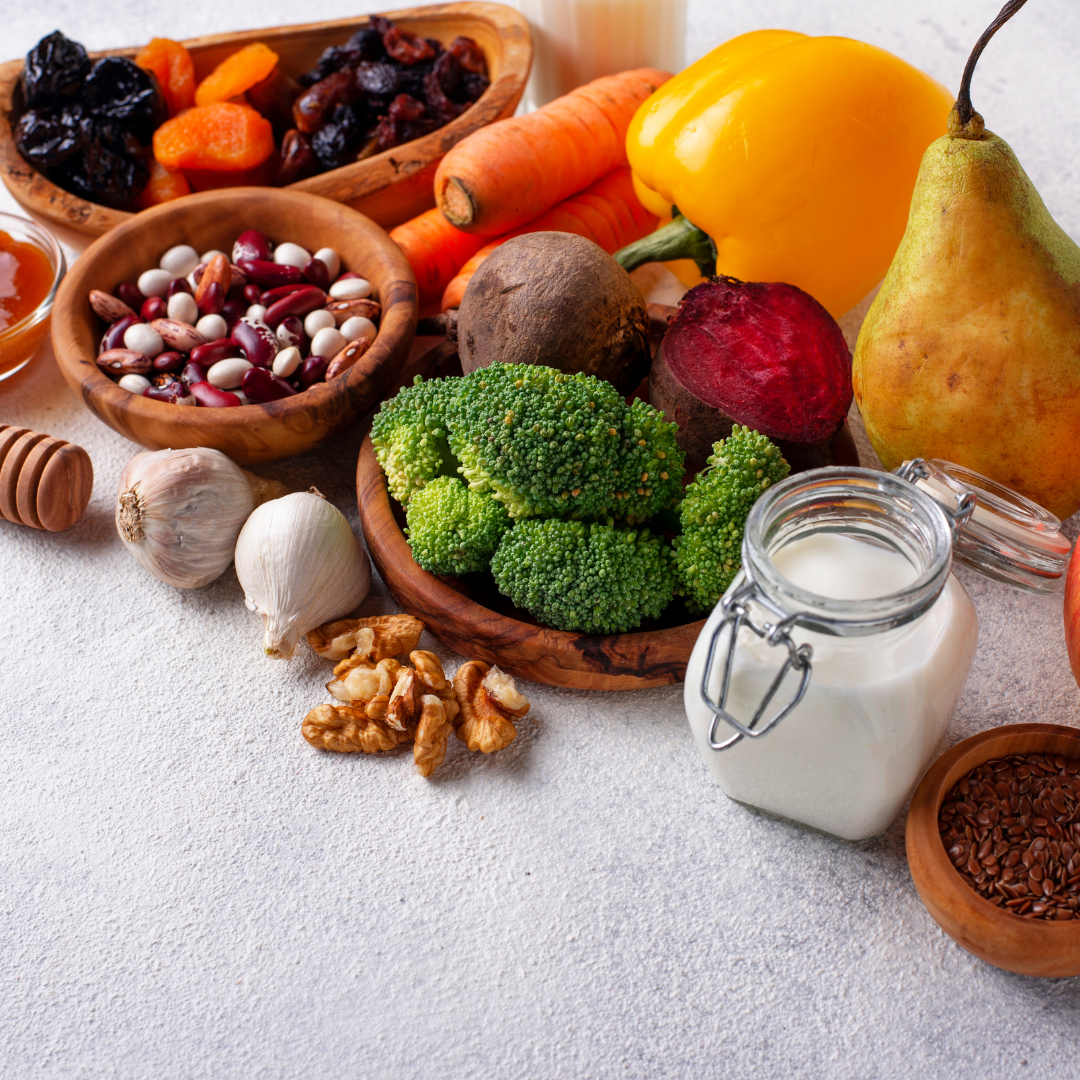
Diets rich in omega-3 fatty acids, fiber, and polyphenols — such as the Mediterranean diet — can positively impact gut microbiota and help mitigate inflammation while enhancing the production of short-chain fatty acids important for regulating immune responses.
The Nervous System Layer Nobody Is Talking About
There is another dimension to the endometriosis experience that supplement guides almost never address — and it's one where Dr. McKenzy's lens is particularly relevant.
Chronic pain conditions are not just tissue conditions. Over time, persistent pain can sensitize the nervous system itself — a phenomenon called central sensitization — where the pain signaling system becomes hypersensitive, amplifying pain signals even when the original tissue stimulus has not changed. This is increasingly recognized in endometriosis research and helps explain why some women continue to experience significant pain even after successful surgical intervention.
Nervous system regulation becomes part of the broader picture. Magnesium, omega-3 fatty acids, melatonin, and B vitamins all support nervous system function alongside their anti-inflammatory roles. Practices that support parasympathetic nervous system tone — gentle movement, breathwork, somatic practices, adequate sleep — reduce the physiological stress load that amplifies pain perception.
This is not to suggest that endometriosis pain is "just" nervous system sensitization. The inflammatory pathology is real. But the nervous system layer, when ignored, limits how much any supplement can do.












What to Look for When Buying Endometriosis Supplements
The supplement market is not regulated the same way pharmaceuticals are, which means quality varies enormously between brands. Here's what to prioritize:
Third-party testing. Look for NSF Certified for Sport, USP Verified, or Informed Sport certification. These verify that what's on the label is in the bottle and that contaminants are absent.
Bioavailable forms. This matters especially for:
Magnesium: glycinate or bisglycinate over oxide
Vitamin D: D3 (cholecalciferol) over D2
Vitamin B12: methylcobalamin over cyanocobalamin
Curcumin: phospholipid complex, piperine-enhanced, or nanocurcumin over standard curcumin extract
Omega-3: triglyceride form over ethyl ester; check oxidation markers
Minimal fillers and additives. Avoid products with artificial colors, unnecessary preservatives, silicon dioxide, or titanium dioxide — particularly relevant for women with sensitive immune systems or histamine reactivity.
Dosing transparency. Products that list exact amounts of each active ingredient rather than proprietary blends allow you to assess whether you're getting clinically meaningful doses.
Practitioner-grade brands. Brands available through platforms like Fullscript and dispensed through practitioners undergo more rigorous quality controls than the majority of retail supplement products.
Not Sure Where to Start?
Endometriosis is a complex, highly individual condition. What matters most — which supplements are most relevant, at what doses, in what combinations — depends on your specific pattern of symptoms, your digestive function, your hormone picture, your nutritional status, and where your nervous system is right now. That's not something a supplement list can fully determine.
Request an Educational Consultation below to explore a personalized approach to supplementation that actually fits your situation.
Safety Considerations and Important Interactions
Pregnancy: Several supplements discussed here, including NAC at higher doses, melatonin at therapeutic doses, and curcumin, require medical guidance before use during pregnancy or when trying to conceive. Do not assume that "natural" means safe in pregnancy.
Blood thinners and anticoagulants: Omega-3 fatty acids at high doses, vitamin E, and curcumin may all have mild anticoagulant effects. If you are on warfarin, aspirin therapy, or other blood thinners, discuss supplement plans with your prescriber before starting.
Hormonal medications: Some supplements including DIM, resveratrol, and curcumin interact with estrogen metabolism and may theoretically affect the activity of hormonal endometriosis medications. This is another conversation to have with your prescriber.
Liver and kidney conditions: NAC in particular should be used with caution if you have existing liver or kidney conditions.
Immune-modulating medications: Some antioxidants may interact with immunosuppressive medications. If you are on any medication for immune regulation, check interactions before adding supplements.
Heavy or abnormal bleeding: If you are experiencing very heavy or irregular bleeding, that symptom warrants medical evaluation rather than self-supplementation. Iron supplementation should follow testing, not precede it.
When to seek care: Endometriosis requires accurate diagnosis, which typically involves laparoscopy. Supplements can support your overall health as an adjunct, but they are not a substitute for appropriate diagnostic workup and individualized medical management.
FAQ
Which supplement has the most human evidence for endometriosis?
Based on the April 2026 critical review of 34 studies, vitamins C and E taken together have the most consistent results in placebo-controlled trials, with all four available RCTs showing positive effects on pain-related symptoms. Melatonin has emerging evidence from multiple RCTs and is increasingly recognized as the most promising non-mineral antioxidant in this space.
Does NAC actually work for endometriosis?
In non-postoperative settings, NAC was associated with reduced pain, decreased NSAID use, and endometrioma shrinkage or stabilization in observational studies. In contrast, the only postoperative randomized comparison found no added benefit of NAC over continuous oral contraception. The observational data is encouraging but the randomized evidence is inconsistent. NAC is worth discussing with a practitioner but should not be presented as more established than the evidence supports.
Does vitamin D help endometriosis?
The association between vitamin D deficiency and endometriosis is real. However, clinical trials have not shown that vitamin D supplements significantly reduce endometriosis pain compared to placebo. Testing and correcting deficiency is still worthwhile for overall health even without direct endometriosis-specific trial evidence.
What about omega-3 fish oil for endometriosis pain?
The biological rationale is strong and the broader anti-inflammatory and gut health benefits are real. However, the best clinical trial in endometriosis found that fish oil produced only modest pain improvement, comparable to what was seen in the placebo group. Worth including for its overall inflammatory benefits with realistic expectations.
Can supplements replace medical treatment for endometriosis?
No. These interventions should be considered adjunctive to standard medical or surgical treatment. No supplement society has endorsed supplements for endometriosis management, and none replaces appropriate diagnosis and individualized medical care.
Is curcumin (turmeric) effective for endometriosis?
There is one encouraging small study showing improvement in symptoms, but no placebo-controlled RCT data. There have been no RCTs evaluating the effectiveness of curcumin in the treatment of endometriosis. It is biologically plausible and generally safe but not yet confirmed in the clinical trial evidence.
What should I take for endometriosis-related fatigue?
Fatigue in endometriosis is often multifactorial — iron deficiency from heavy bleeding, sleep disruption, chronic pain, and nervous system dysregulation all contribute. Testing ferritin, checking vitamin D and B12 status, optimizing magnesium, and addressing sleep quality through melatonin and nervous system support are the most evidence-informed starting points.
Is DIM (diindolylmethane) worth taking for endometriosis?
There have been no RCTs evaluating the effectiveness of DIM in the treatment of endometriosis. The mechanistic rationale through estrogen metabolism pathways is interesting, but there is currently no meaningful human trial evidence to support a recommendation.
Are there supplements that make endometriosis worse?
High-dose iron supplementation without confirmed deficiency can increase oxidative stress. Abnormal iron metabolism plays a role in the formation and inflammatory microenvironment shaping of ectopic lesions — suggesting that excess iron is not benign in this context. Always test before supplementing iron. Some women with endometriosis also have histamine intolerance or MCAS, in which case certain supplements can trigger reactions. Introduce one supplement at a time and monitor carefully.
How long do supplements take to work for endometriosis?
This varies considerably by supplement and individual. The RCT evidence uses timeframes of 2–3 months for most supplements. Antioxidant effects and microbiome changes develop over weeks to months. This is slow medicine — not a substitute for timely medical management.
The Bottom Line
The current evidence on supplements for endometriosis is more nuanced than most content acknowledges — and that nuance matters if you want to make informed decisions rather than spend money and hope.
What appears most promising: Vitamins C and E together have the most consistent human trial data. Melatonin has emerged as the most interesting non-mineral antioxidant with multiple RCTs showing moderate pain signal. Omega-3 fatty acids support broad anti-inflammatory physiology even if direct endometriosis-specific trial evidence is inconsistent. Magnesium and iron status monitoring are practical priorities often overlooked.
What remains genuinely uncertain: NAC is biologically compelling but not yet confirmed in the highest-quality trial design. Vitamin D corrects a meaningful deficiency pattern but has not shown pain benefit in human trials. Curcumin lacks placebo-controlled human trial data despite strong mechanistic interest. Resveratrol, DIM, zinc, and several other commonly recommended compounds have limited or absent RCT evidence.
What to be cautious about: Content that presents every popular supplement as confirmed by science. Content that presents supplements as alternatives to appropriate medical evaluation and management. Expensive proprietary blends marketed specifically for endometriosis that contain multiple compounds at doses below what was studied. High-dose iron supplementation without confirmed deficiency. Any supplement taken during pregnancy without appropriate medical guidance.
Reasonable next steps:
Get baseline labs — ferritin, vitamin D, B12, magnesium RBC — to identify actual deficiencies before supplementing for them
Start with vitamins C and E if you want the most evidence-supported starting point
Consider omega-3s for their broader anti-inflammatory and gut health value
Discuss melatonin and NAC with a practitioner who knows your full picture
Don't neglect the gut connection — diet quality, microbiome support, and gut healing are part of the picture
Support your nervous system — chronic pain has a nervous system component that supplements alone cannot address