

Herbs for Heavy Periods: What Actually Helps (And Why Your Periods Got Heavy in the First Place)
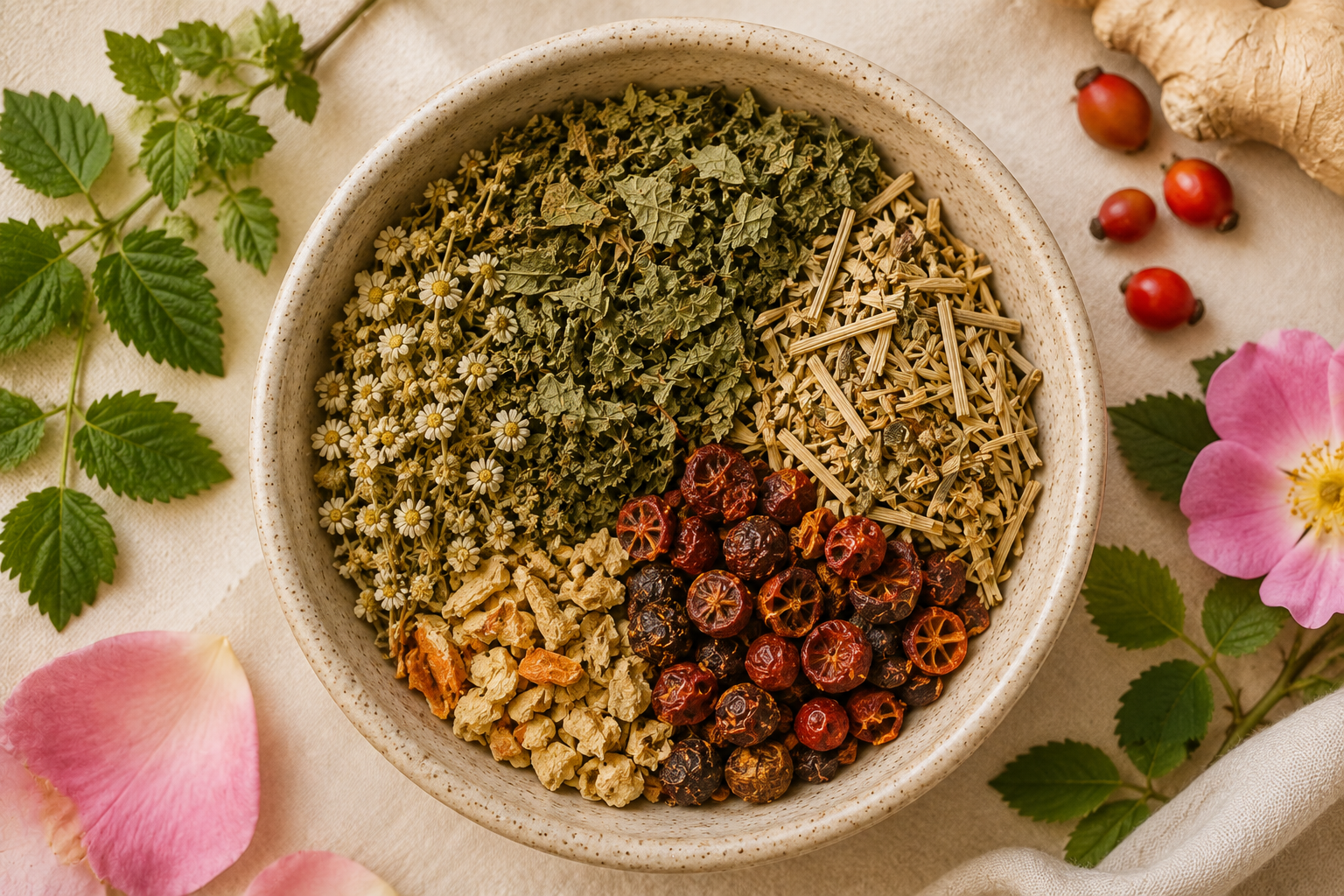
You are going through pads or tampons faster than you should. You are passing clots. You are canceling plans. Maybe you are so tired by the end of your period that you can barely function.
And nobody has really given you a straight answer about why this is happening — or what you can actually do about it.
This post is going to give you both of those things.
First, we want to name something important. Heavy periods are not just inconvenient. They are your body sending a signal. Sometimes that signal is about hormones. Sometimes it is about an underlying condition like fibroids or adenomyosis. Sometimes it is about thyroid function or a nutrient gap. And sometimes several of these things are happening at once.
Herbs can help. But they work best when you understand what is driving the bleeding in the first place. So let's start there.
Quick Answer
Several herbs have real study support for reducing heavy period bleeding, including ginger, vitex (chaste tree berry), shepherd's purse, and cinnamon. Flavonoid-rich plants as a group also have good clinical trial data. The most important thing to know alongside herbs is that heavy periods often have an underlying reason — fibroids, adenomyosis, perimenopause, thyroid issues, or estrogen imbalance — and that herbs work best as support alongside understanding that root cause. Iron deficiency is almost always part of the picture and needs direct attention.
The Short Version
Heavy periods are not normal, even if they are common. Your body is communicating something worth listening to.
The most common reasons for heavy periods are fibroids, adenomyosis, hormone imbalance (too much estrogen relative to progesterone), perimenopause, thyroid dysfunction, and sometimes PCOS.
Heavy periods can cause iron deficiency — and iron deficiency can also make periods heavier. It is a cycle that needs to be broken.
Ginger, vitex, shepherd's purse, cinnamon, yarrow, and raspberry leaf all have traditional use and varying levels of study evidence for heavy period support.
A 2025 systematic review of 12 randomized controlled trials found that flavonoid-rich plants were effective and safe options for heavy menstrual bleeding — and also slightly increased hemoglobin levels.
Getting your ferritin and thyroid checked is one of the most practical first steps you can take.
Heavy bleeding that is new, very sudden, getting much worse, or happening between periods always needs medical evaluation.
What Counts as a Heavy Period?
A normal period means losing about 2 to 3 tablespoons of blood over the whole cycle. Heavy bleeding means losing more than about 5 to 6 tablespoons — roughly a third of a cup or more.
But you do not need to measure blood loss to know you have a problem. These are clearer signs that your period may be too heavy:
You soak through a pad or tampon in less than one hour
You need to use a pad and a tampon together to prevent leaking
You pass clots bigger than a quarter
Your period lasts more than 7 days
You feel dizzy, very tired, pale, or faint during or after your period
You regularly miss work, school, or social activities because of your period
Your period is getting heavier than it used to be
Any of these signs is worth paying attention to. The one about your period getting heavier is especially important. A change in how heavy your periods are is often a sign that something in your body has shifted — and that shift is worth understanding.
Why Are Your Periods Heavy? The Root Causes
This is the part most herbal guides skip. But it matters a lot — because the herb or approach that helps most often depends on why you are bleeding heavily in the first place.
The most common causes of heavy periods include hormone imbalance, fibroids, polyps, adenomyosis, endometriosis, thyroid conditions, and perimenopause.
Let's go through the most common ones in plain language.
Hormone Imbalance — Too Much Estrogen, Not Enough Progesterone
This is one of the most common drivers of heavy periods. Hormonal imbalances, particularly excess estrogen relative to progesterone, can contribute to heavy menstrual bleeding. Hormonal imbalances can lead to excessive thickening of the uterine lining, potentially causing heavy menstrual bleeding.
Think of it this way. Estrogen builds the lining of the uterus each month. Progesterone is what organizes and stabilizes it so it sheds cleanly. When estrogen is too high or progesterone is too low, the lining gets thicker than it should. When it sheds, the bleeding is heavier.
This pattern — called estrogen dominance — is very common. It shows up during puberty, in the years before menopause, in women with PCOS, and in women who are under high stress. Factors such as thyroid dysfunction, PCOS, insulin resistance, and perimenopause can influence hormonal balances that may result in heavy bleeding.
Fibroids
Fibroids are common, benign growths in the muscle of the uterus. They are the most common benign tumor of the female reproductive tract, occurring in up to 60% of women.
Fibroids cause heavy periods by increasing the surface area of the uterine cavity. They can also interfere with normal uterine contractions. The result is heavier, longer bleeding — sometimes with a lot of clotting.
Fibroids are strongly linked to estrogen. They tend to grow during the reproductive years and often shrink after menopause. They are more common and tend to be more severe in Black women than in women of other races — a disparity that deserves more medical attention than it currently gets.
Adenomyosis
Adenomyosis is less well known than fibroids but very common. Adenomyosis causes heavy periods by allowing the uterine lining to grow into the muscle wall, leading to painful, heavy bleeding.
The uterus becomes enlarged and spongy. When it sheds during your period, it cannot contract the same way a healthy uterus does. This leads to heavy, prolonged bleeding that is often also very painful.
Many women with adenomyosis have been told their pain and bleeding are normal. They are not. Adenomyosis is real, diagnosable, and treatable.
Perimenopause
Periods can become heavier or more irregular during perimenopause. However, significant or persistent changes should still be assessed by a doctor.
During perimenopause — the years before your last period, often starting in your 40s but sometimes earlier — estrogen and progesterone rise and fall unpredictably. Some cycles you may not ovulate at all. When you do not ovulate, you do not produce progesterone for that cycle. Without progesterone to stabilize the lining, the next period can be very heavy.
Heavy bleeding in perimenopause is common. That does not mean it should be ignored. Underlying conditions like fibroids and adenomyosis can amplify perimenopause changes and should be evaluated.
Thyroid Dysfunction
Women with an underactive thyroid gland may have heavy periods.
Your thyroid controls your metabolism. It also plays a role in how your body makes and uses progesterone and other hormones. When the thyroid is sluggish, the hormone balance that controls your menstrual cycle can be disrupted — leading to heavier, longer, or more painful periods.
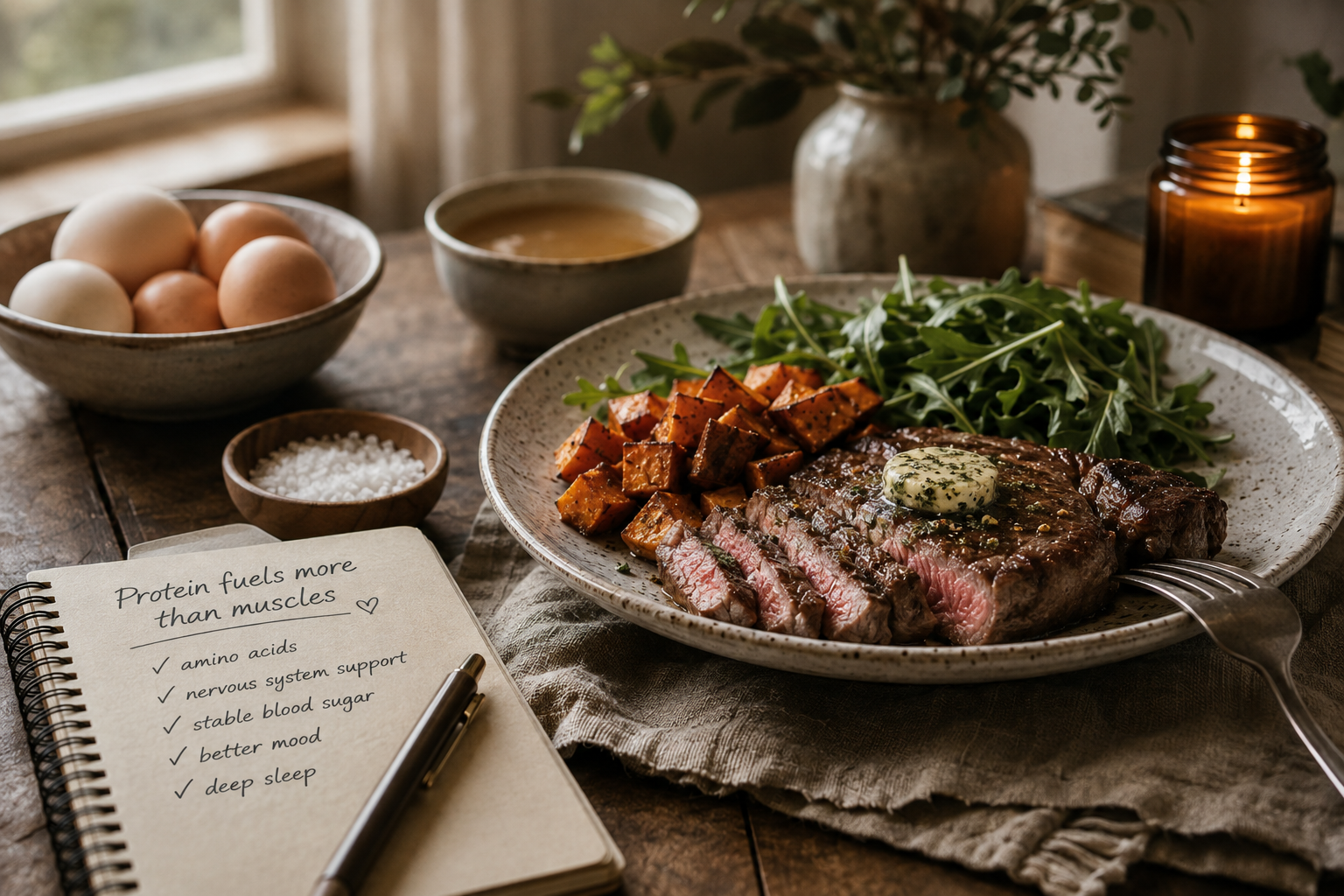
Thyroid dysfunction is commonly missed because standard TSH testing often misses subclinical cases. If you have heavy periods plus fatigue, cold hands and feet, difficulty losing weight, brain fog, or hair loss, your thyroid is worth a thorough look.




Other Causes Worth Knowing
Other causes of heavy periods include polyps — small tissue growths inside the uterus — blood clotting disorders (especially in young women with lifelong heavy periods), copper IUDs, and certain medications.
In younger women and teenagers, a blood clotting disorder is more often the cause than most people realize. If you have had heavy periods since your very first one, this is worth mentioning to your doctor.
The Iron-Heavy Period Cycle — And Why It Matters
This is one of the most important things in this entire post.
Heavy periods can cause iron deficiency. And iron deficiency can make periods heavier. It is a two-way relationship that can trap a woman in a cycle of worsening bleeding and worsening depletion.
When you bleed heavily, you lose iron. Iron is needed to make red blood cells, which carry oxygen throughout your body. When iron drops — especially the stored form called ferritin — you feel exhausted, foggy, cold, and depleted. Your immune system weakens. Your stress tolerance drops.
But there is more to it than just feeling tired. Low iron can also affect how your uterus functions, which may contribute to even heavier bleeding. The problem feeds itself.
Many women with heavy periods have been told their "blood count is normal." What they were not told is that hemoglobin — the standard measure — can look normal even when ferritin is critically low. Persistent heavy menstrual bleeding can induce iron-deficiency anemia and associated fatigue and loss of energy.
Ask specifically for ferritin. Optimal ferritin for energy, immune function, and neurological health is typically above 50–70 ng/mL. The conventional laboratory lower limit of "normal" is often set as low as 12 ng/mL — far below where most women feel well.
Iron from food: red meat, chicken liver, eggs, cooked dark leafy greens, lentils, and beans. Always pair plant iron with vitamin C to help it absorb better. Coffee, tea, calcium supplements, and dairy can all block iron absorption — separate them by at least an hour from iron-rich meals.
If food is not enough — which is common when bleeding is very heavy — iron bisglycinate is the most gentle supplemental form. Talk to your practitioner before starting iron supplements, as too much iron without deficiency can cause problems.


Herbs With Study Evidence for Heavy Periods
Now let's get into the herbs. We will tell you clearly what type of evidence exists for each one — because that matters a lot.
Ginger
Evidence level: Good — multiple randomized controlled trials
Ginger is the herb with the most consistent clinical trial support for heavy menstrual bleeding, and it is one that most women already have in their kitchen.
A systematic review found that ginger capsules significantly reduced menstrual duration and blood loss compared with placebo based on a standardized blood loss measurement chart.
How does it work? Heavy periods are believed to be partly due to an altered ratio of prostaglandins — chemicals that control inflammation and blood flow. Ginger has been shown to affect the enzymes related to this altered ratio, including prostaglandin synthetase and cyclooxygenase. In simpler terms: ginger helps calm the inflammatory process that contributes to heavy bleeding.
A 2019 study found that ginger was even more effective at reducing heavy menstrual bleeding when taken alongside ibuprofen — suggesting it works on similar but complementary pathways.
Dose used in studies: 300–600 mg capsules, three times daily, during the period — typically for the first 3–5 days of flow.
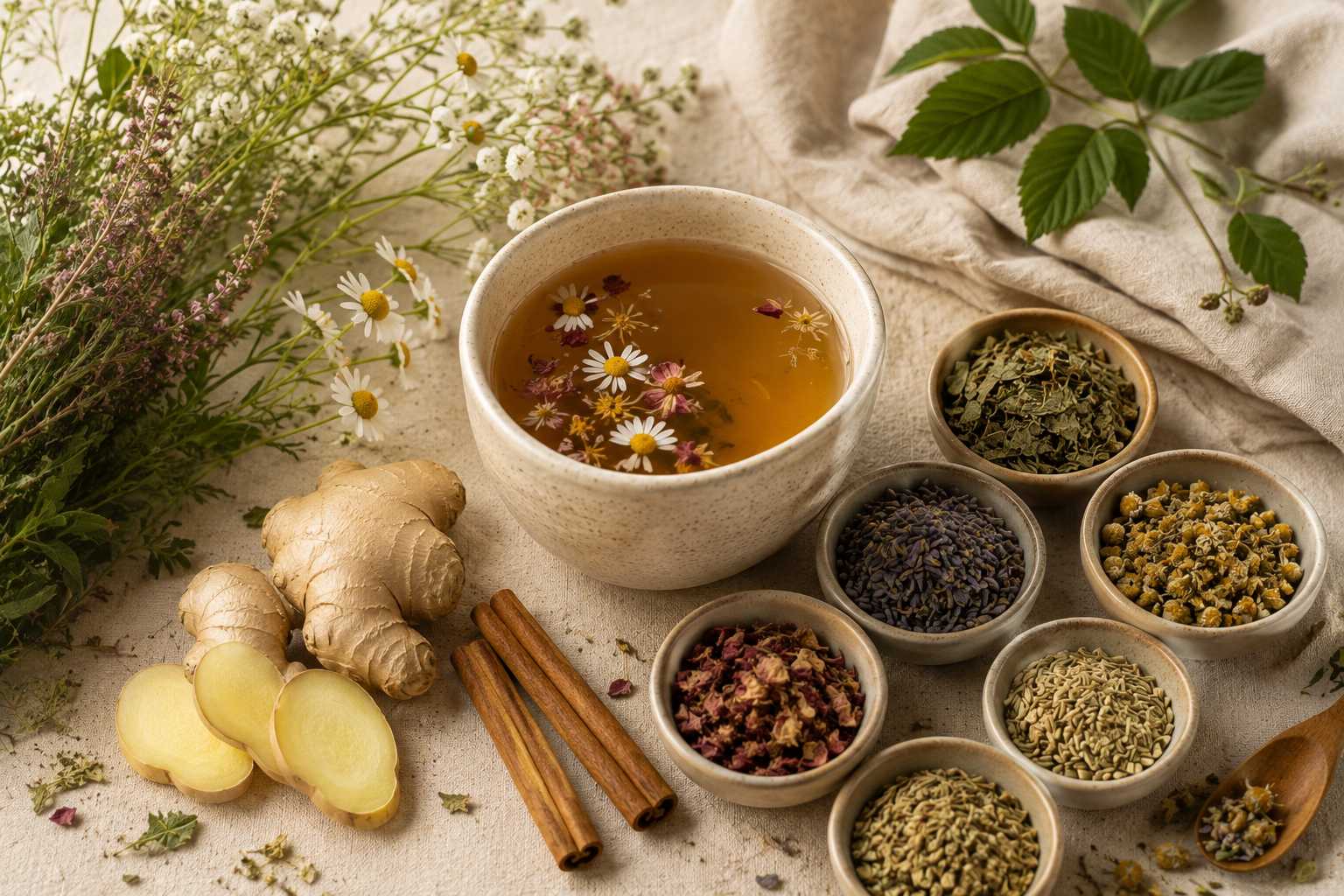
Tea option: Fresh ginger steeped in boiling water for 10 minutes. Add honey if needed. Mild and pleasant-tasting. Safe for most people.
Safety note: Ginger is very well tolerated. Very high doses may affect blood clotting — if you are on blood thinners, talk to your doctor before using therapeutic doses. Mild ginger in food or tea is generally safe for everyone.
Vitex (Chaste Tree Berry, Agnus Castus)
Evidence level: Moderate — clinical trial data, but effects take time
Vitex is one of the most well-known women's herbs in European and American herbal medicine. Vitex was shown in a clinical trial to reduce heavy menstrual bleeding almost as much as pharmaceutical treatment.
How does it work? Vitex acts on the hypothalamus and pituitary glands in the brain to increase luteinizing hormone production and mildly reduce FSH release. This shifts the ratio of estrogen to progesterone, helping to reduce menstrual flow. It has also been shown to reduce prolactin release from the pituitary gland, particularly under stress.
In plain language: vitex helps support the progesterone side of the hormone balance. When progesterone is supported, the uterine lining does not get as thick — and the period is lighter.
The key thing to understand about vitex is that it works slowly. This herb may take 4–6 months to show its full effect. It is not a quick fix. It is a long-term hormonal balancing tool.
Forms: Capsule, tincture, or tablet. Typically taken in the morning.
Who it suits best: Women whose heavy periods are linked to hormone imbalance, especially low progesterone, irregular cycles, or PMS. Not ideal if your heavy periods are caused mainly by fibroids or adenomyosis without a hormonal component.
Safety notes: Do not use vitex during pregnancy or while taking hormonal medications without a practitioner's guidance. It may take time to see results — be patient with it.


Shepherd's Purse (Capsella bursa-pastoris)
Evidence level: Traditional use with strong clinical rationale; limited formal RCT data
Shepherd's purse is one of the most used herbs in Western herbal medicine specifically for stopping or reducing heavy bleeding. Herbalists classify it as a styptic — an herb that helps tighten tissues and slow blood flow.
Shepherd's purse is known for its "drying" effects and exhibits tissue specificity with its astringent qualities. It can aid in toning and tightening the uterus and ease menstrual pain. Uterine tonic herbs help to tone and strengthen uterine tissue.
It is particularly valued for acute use — meaning taking it when bleeding is actively very heavy to help reduce flow in the moment, rather than as a long-term hormonal balancer like vitex.
Forms: Tincture is the most commonly used and most potent form. Can also be found in tea blends.
Best use case: Acute heavy flow during the period itself. It is not a root-cause treatment — it does not address why the bleeding is heavy. But it can be genuinely useful as a short-term tool during the heaviest days.
Safety note: Avoid during pregnancy. If heavy bleeding is sudden, very severe, or not related to your normal cycle, please seek medical evaluation rather than reaching for shepherd's purse.
Cinnamon
Evidence level: Moderate — clinical trial data for both bleeding and pain
Cinnamon has more study evidence than most people expect for menstrual health. A systematic review found that cinnamon significantly reduced menstrual duration and menstrual bleeding severity compared to placebo. A.Vogel
Research confirms cinnamon reduces bleeding duration, pain, nausea and vomiting associated with menstruation. A.Vogel
Cinnamon appears to work through its effects on prostaglandins — the same pathway that ginger works through. It may also support blood sugar regulation, which connects to hormone balance when insulin resistance is part of the picture.
Tea option: Simmer one cinnamon stick in water for 10 minutes. Add a squeeze of fresh ginger for a warming, combined period-support tea. Simple and genuinely pleasant.
Forms: Tea, capsules, or tincture. Ceylon cinnamon is preferred over Cassia cinnamon for therapeutic use — Cassia is higher in coumarin, which can be problematic in large amounts.
Safety note: Cinnamon is very safe in normal food and tea amounts. Very high supplemental doses should be used with caution in pregnancy or if you are on blood sugar medications.
Yarrow (Achillea millefolium)
Evidence level: Traditional use with strong herbalist support; limited formal RCT data
Yarrow has one of the longest histories of any herb used for menstrual regulation. Its botanical name comes from the Greek warrior Achilles, who is said to have used it to slow battle wounds from bleeding.
Yarrow contains astringent and anti-inflammatory properties that can help reduce heavy flows and ease the associated discomfort.
Like shepherd's purse, yarrow is classified as a hemostatic and astringent herb. It helps tone and tighten uterine tissue, reduce inflammation, and gently slow excessive blood flow.
Tea option: Steep 1–2 teaspoons of dried yarrow herb in just-boiled water for 10–15 minutes. Slightly bitter taste — pair with a small amount of honey and a cinnamon stick.
Best use case: Used during heavy flow days. Also used in between cycles as a uterine tonic — supporting the tone and health of the uterine tissue over time.
Safety note: Yarrow is in the Asteraceae plant family (same as ragweed and chamomile). If you have known ragweed or Asteraceae allergy, avoid it or start very carefully. Do not use in pregnancy.
Raspberry Leaf (Rubus idaeus)
Evidence level: Traditional use — long history, limited clinical trials
Red raspberry leaf is one of the most used women's herbs in Western herbal medicine. It is classified as a uterine tonic — an herb that strengthens and tones the smooth muscle of the uterus rather than simply stopping bleeding.
Raspberry leaf is known for toning the uterus and regulating flow. Uterine tonic herbs help to tone and strengthen uterine tissue.
A well-toned uterus can contract more effectively during menstruation. This helps the uterus shed its lining more efficiently — which can actually result in a shorter, less heavy period. Think of it as building uterine muscle fitness over time.
Tea option: Steep 1–2 teaspoons of dried red raspberry leaf in just-boiled water for 10–15 minutes. Mild, slightly astringent, similar to black tea. One of the most pleasant herbal teas for period support.
Best use case: Used regularly throughout the month — not just during the period — as a daily uterine toning support. Combined with other herbs like yarrow and shepherd's purse for acute support during heavy flow days.
Safety note: Well tolerated by most women. Often used in later pregnancy under practitioner guidance to support uterine tone, but avoid in the first trimester without specific advice from a midwife or healthcare provider.
A Note on Flavonoid-Rich Herbs Overall
A 2025 systematic review and meta-analysis of 12 randomized controlled trials — involving 425 participants — found that flavonoid-rich plants were effective and safe options for heavy menstrual bleeding. They reduced bleeding amount, shortened the duration of bleeding, and even slightly increased hemoglobin levels — meaning they may have helped the iron picture too.
Flavonoids are plant compounds found in many herbs including yarrow, shepherd's purse, and vitex. This review validates the broader category of traditional herbal medicine for heavy periods — not one single magic herb but the category of flavonoid-rich plants as a whole.
This is genuinely good news. It means the herbs that herbalists have used for centuries for heavy periods do have clinical research backing the overall approach — even if every individual herb has not yet been tested in its own large trial.
The Best Herbal Teas for Heavy Periods
Tea is one of the most accessible ways to use medicinal herbs. Here are two practical blends worth making.
Heavy Day Support Tea
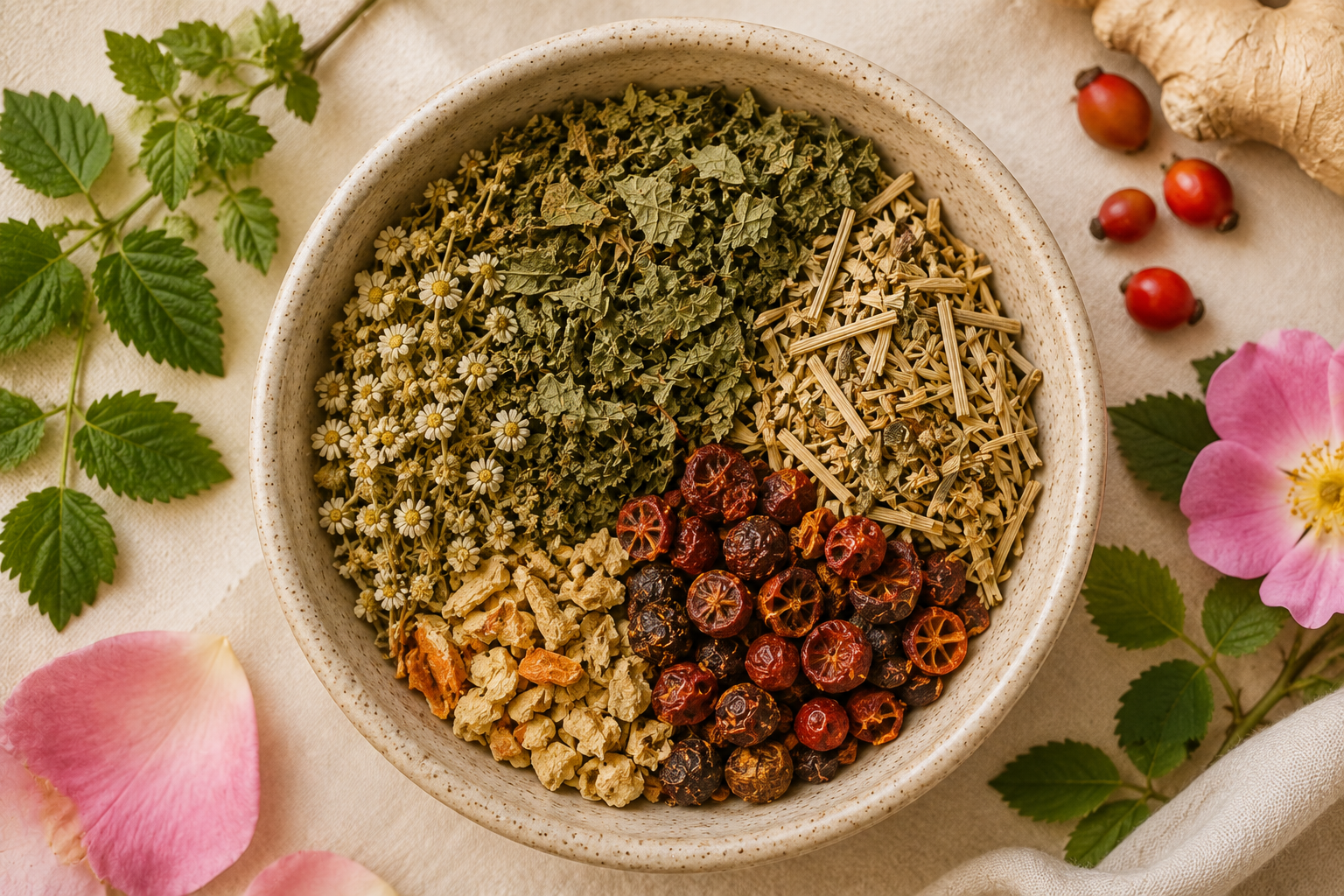
Use this during your heaviest flow days. This blend combines astringent and hemostatic herbs.
Blend:
Raspberry leaf
Nettle leaf
Perhaps oatstraw
Rosehips
Small amount of yarrow
Perhaps ginger
Steep in just-boiled water for 10–15 minutes, covered. Drink 2–3 cups per day on your heaviest days. Strain well. Add a little honey if the taste is too bitter.
Who this is for: Women who want acute support during heavy flow. Best combined with rest, iron-rich foods, and hydration.
Between-Cycle Uterine Toning Tea
Use this throughout the month — not just during your period — to build uterine tone and support hormone balance over time.
Blend:
1.5 teaspoons dried red raspberry leaf
1 teaspoon dried nettle leaf (high in iron and minerals)
1/2 teaspoon dried yarrow
Consider a small slice of dried vitex berries or 5 drops of vitex tincture
Steep in just-boiled water for 10–15 minutes, covered. Drink 1–2 cups daily throughout the month. This tea is genuinely pleasant-tasting and can be made iced in summer.
Who this is for: Women who want to support uterine tone, hormone balance, and mineral replenishment consistently — not just during the period. Suitable for most women as a daily tonic.




The Estrogen Connection: How to Support Hormone Balance Alongside Herbs
Because so many cases of heavy periods involve too much estrogen relative to progesterone, supporting how your body handles estrogen is part of the bigger picture.
Estrogen is cleared through the liver and the gut. When either of those is not working well, estrogen can recirculate in the body instead of leaving — leading to higher estrogen levels and heavier periods.
Support your liver: The liver is your body's main estrogen processing organ. B vitamins — especially B6 and folate — are needed for proper estrogen metabolism. Cruciferous vegetables (broccoli, cauliflower, Brussels sprouts, kale) contain compounds called indoles and sulforaphanes that support healthy estrogen clearance through the liver.
Your body cannot detoxify and eliminate estrogen without adequate B vitamins in your liver. B vitamins are essential for estrogen clearance.
Support your gut — the estrobolome. The gut microbiome plays a direct role in how estrogen is metabolized. Certain gut bacteria produce an enzyme that can cause estrogen to be reabsorbed rather than excreted. A healthy, diverse gut microbiome supports better estrogen clearance. Fiber, fermented foods, and prebiotic-rich vegetables all support this.
Reduce xenoestrogens. Xenoestrogens are synthetic chemicals that mimic estrogen in the body. They are found in certain plastics, pesticides, conventional cleaning products, and synthetic fragrances. Reducing exposure — switching to glass storage containers, using clean beauty and cleaning products, choosing organic produce where possible — reduces the total estrogen load your body is managing.
Nutrients That Matter Alongside Herbs
Iron and Ferritin
Already discussed above. This is the most important nutrient intervention for most women with heavy periods. Test your ferritin. Address deficiency with food first and supplementation where needed.
Vitamin A
Deficiency in vitamin A is known to cause heavier periods. When there is not enough vitamin A, it impairs enzyme activity and hormone production in the ovaries. This is a less commonly known connection that is worth awareness. Vitamin A is found in liver, eggs, butter, and orange and yellow vegetables (as beta-carotene, the plant form). Do not supplement high-dose vitamin A without testing and practitioner guidance — it is a fat-soluble vitamin that accumulates over time.
B Vitamins
B vitamins — especially B6, folate, and B12 — are essential for both estrogen metabolism and progesterone production. Many women with heavy periods are low in B vitamins, especially those who are stressed (B vitamins are burned through quickly under stress) or who have gut absorption issues.
Magnesium
Magnesium supports smooth muscle relaxation, which can help reduce painful cramping alongside heavy flow. It also supports progesterone production and helps calm an overactivated nervous system — relevant because stress dysregulates the hormones that control your cycle.
Vitamin C
Vitamin C supports iron absorption and is also involved in progesterone synthesis. Taking vitamin C with iron-rich foods meaningfully increases how much iron you absorb from those foods.



What to Look for When Buying Herbal Products
Not all herbal products are the same. Quality varies a lot.
For tinctures: Look for alcohol-extracted tinctures (not glycerites — these are weaker) made from fresh or responsibly dried plant material. The label should list the plant's Latin name, the part of the plant used (root, leaf, berry), and the ratio of herb to solvent.
For capsules: Look for standardized extracts where appropriate — especially with vitex, which has established standardization markers. Or look for whole-herb capsules from reputable brands that do third-party testing.
For teas: Buy from companies that use organic herbs and clearly identify the plant species and part used. Loose leaf is generally higher quality than powdery tea bags.
Third-party testing means an outside company checked that the herb is what it says it is and does not contain contaminants. This matters for quality and safety.
Practitioner-grade brands available through platforms like Fullscript go through more rigorous quality screening than most health food store options.
Not Sure Where to Start?
Heavy periods have different causes — and the best herbs and support approach depends on what is driving your bleeding. A personalized assessment can help you understand your specific picture rather than guessing.
Request an Educational Consultation below to explore what is behind your heavy periods and what support makes the most sense for your body.
When to See a Doctor — This Is Important
Herbs are supportive tools. They are not a reason to avoid proper medical evaluation. Please seek medical care if:
Your periods have suddenly gotten much heavier or longer than usual
You are soaking through a pad or tampon every hour for several hours in a row
You pass clots larger than a golf ball
You feel faint, very dizzy, or extremely pale during or after your period
You have heavy bleeding between periods — not just during them
You have any bleeding after menopause
Your heavy periods are accompanied by significant pelvic pain or pressure
You are a teenager or young woman with heavy periods that have been present since your first period
You are pregnant or think you might be
Heavy periods can affect everyday life and, in some cases, contribute to iron-deficiency anemia. If your periods are disrupting everyday life or have changed significantly from what is normal for you, it is worth speaking to a doctor.
Getting a pelvic ultrasound, a full blood count, ferritin, and a thyroid panel is a reasonable first step when heavy periods are new or worsening. These tests can identify fibroids, adenomyosis, thyroid problems, and iron deficiency — the most common underlying causes.
After age 50, any bleeding requires urgent evaluation.
Questions People Ask Most
What is the best herb for heavy periods?
Ginger has the most clinical trial support. Ginger capsules significantly reduced menstrual duration and blood loss compared with placebo in clinical trials. Vitex (chaste tree berry) is effective for hormone-related heavy bleeding, though it takes 4–6 months to show results. Shepherd's purse and yarrow are best for acute support during heavy flow days.
Can I use herbs instead of medication for heavy periods?
Herbs can be a meaningful part of your support plan. They are not a replacement for medical evaluation when heavy periods are new, sudden, or very severe. Some underlying causes of heavy periods — like fibroids or adenomyosis — need to be properly diagnosed and may need medical or surgical management that herbs cannot replace.
Does vitex (chaste tree) really work for heavy periods?
Vitex was shown in a clinical trial to reduce heavy menstrual bleeding almost as much as pharmaceutical treatment. However, it works slowly — most women need 4–6 months to see the full effect. It works best when hormone imbalance (low progesterone) is driving the heavy bleeding, rather than structural causes like fibroids.
Can raspberry leaf tea really help heavy periods?
Raspberry leaf is a traditional uterine tonic — it strengthens uterine muscle over time. This can lead to more efficient shedding and shorter, lighter periods when used consistently. The evidence is mostly traditional and from clinical experience rather than large RCTs, but it has a long, safe history of use.
What about ginger tea? Is it as good as capsules?
Fresh ginger tea is a good supportive option. The amounts used in studies were capsule doses of 300–600 mg — which is roughly 1–2 teaspoons of fresh grated ginger in tea. Tea is less concentrated than capsules, so you would need several strong cups a day during your period to approach study doses. Both forms have value.
Will herbs fix heavy periods caused by fibroids?
Some herbs — especially vitex — may help reduce the estrogen-driven activity that causes fibroids to grow or worsen. But herbs alone are not a proven treatment for existing fibroids. If fibroids are causing your heavy periods, please work with a doctor to understand your options, which range from hormonal management to minimally invasive procedures.
How long before I see results from herbs for heavy periods?
It depends on the herb and the cause. Ginger, shepherd's purse, and yarrow can have effects within the same cycle when used during your period. Vitex requires 4–6 months of consistent daily use. Raspberry leaf works over 2–3 months of regular use as a uterine tonic.
Are these herbs safe if I want to get pregnant?
Some herbs used for heavy periods are not appropriate during early pregnancy or while trying to conceive. Shepherd's purse, yarrow, and high-dose vitex should be avoided in pregnancy. Raspberry leaf has been used in later pregnancy under practitioner supervision, but should be avoided in the first trimester without specific guidance. Always disclose all herbs to your healthcare team when you are trying to conceive.
Is it normal to have clots during a heavy period?
Small clots — about the size of a quarter or smaller — can be normal during heavier flow days. Clots larger than a quarter, especially in large numbers, suggest the flow is heavy enough to warrant attention. Large clots are often associated with fibroids, adenomyosis, or significant hormone imbalance.
What should I eat during a heavy period to help?
Focus on iron-rich foods (red meat, liver, dark leafy greens, lentils) paired with vitamin C for absorption. Eat warming, easy-to-digest foods. Stay hydrated — blood loss means fluid loss too. Reduce inflammatory foods (sugar, ultra-processed foods) during your period as these can worsen cramping and inflammation.
References
Fakhri M, HamzehGardeshi Z, Yousefi SS. Effects of Herbal Products on Menorrhagia: A Systematic Review and Meta-analysis. J Nurs Midwifery Sci. 2023;10(3):e138875.
Qaraaty M, et al. Impact of flavonoid-rich herbal medicines on idiopathic heavy menstrual bleeding: A systematic review and meta-analysis of randomized controlled trials. Avicenna J Phytomed. 2025.
Lethaby A, et al. Herbal Medicines in Idiopathic Heavy Menstrual Bleeding: A Systematic Review. Phytother Res. 2016;30:1584–1591. doi:10.1002/ptr.5647
Al Wattar BH, et al. Treatment options for women with heavy menstrual bleeding: a protocol for comprehensive systematic review. BMJ Open. 2025. doi:10.1136/bmjopen-2024-085292
Northrup C. Heavy Menstrual Bleeding (Menorrhagia): Causes. DrNorthrup.com.
Cleveland Clinic. Menorrhagia (Heavy Menstrual Bleeding): Causes and Treatment. Updated May 2026.
InformedHealth.org. Overview: Heavy Periods. Updated February 2025. NCBI Bookshelf.
Rupa Health. A Functional Medicine Menorrhagia Protocol. 2025.
Dr. Lisa Watson. Heavy Periods. drlisawatson.com. 2020.
Watson N, Herbalist. Heavy Periods: Natural Treatments. drkathleenmahannah.com.