

Supplements After Gallbladder Removal: What Your Body Actually Needs Now
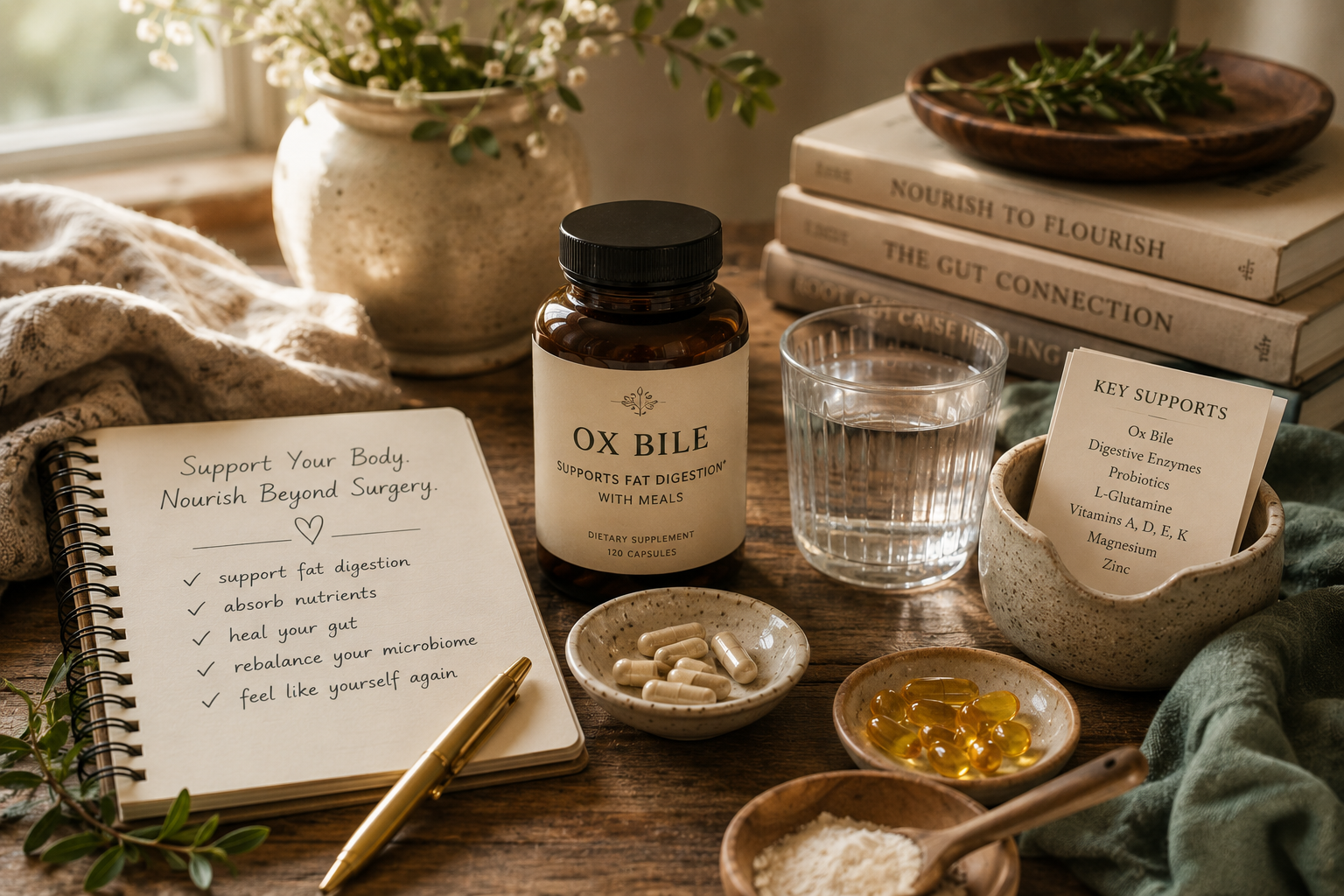
What Your Gallbladder Was Actually Doing
Before we talk about what to take, you need to understand what you lost — because most of the supplement decisions flow directly from this.
Your liver produces bile continuously — a digestive fluid made from cholesterol, bile salts, bilirubin, and other compounds that is essential for breaking down dietary fat. Before your surgery, that bile was stored and concentrated in your gallbladder between meals. When you ate fat, your gallbladder got the signal to contract and released a concentrated, precisely-timed burst of bile into your small intestine — right when the fat arrived and needed to be emulsified.
Before gallbladder removal, this bile was stored and concentrated in the gallbladder between meals. When you ate a fatty meal, the gallbladder contracted and released a concentrated burst of bile into the small intestine, timed precisely with the arrival of food. After cholecystectomy, the gallbladder is gone. Your liver still makes bile, but it now drips continuously into the small intestine rather than being stored and released on demand. This means two things: the bile is less concentrated, and it's not synchronized with meals. When you eat a high-fat meal, there may not be enough bile present at the right moment to fully emulsify the fat.
Less concentrated bile, poorly timed bile, and no ability to surge on demand. These three changes are at the root of almost every digestive symptom women experience after gallbladder removal, and they have downstream effects that extend far beyond digestion alone.
What Changes in Your Body After Gallbladder Removal
Understanding the ripple effects helps you make sense of why the supplement list is as comprehensive as it is.
Fat digestion becomes less efficient. Without concentrated, meal-timed bile, dietary fat is not broken down as effectively. This means fatty meals can cause bloating, cramping, nausea, or loose stools — and it means the nutrients carried by fat are also less well absorbed.
Fat-soluble vitamins become harder to absorb. Fat-soluble vitamins — vitamins A, D, E, and K — depend on bile for absorption. Patients without a gallbladder may struggle to absorb these nutrients fully, which can lead to deficiencies over time. You won't necessarily feel a vitamin deficiency right away, but over years, low vitamin D contributes to weakened bones, and low vitamin K can affect blood clotting.
Bile acid diarrhea becomes a real risk. When more bile reaches your colon than your body can reabsorb, it irritates the intestinal lining, triggers extra fluid secretion, and speeds up the muscle contractions that move stool through. The result is urgent, watery diarrhea and cramping. This pattern, called bile acid malabsorption, is more common than many people realize. Studies suggest that at least 30 percent of people diagnosed with chronic functional diarrhea may actually have bile acid malabsorption as the underlying cause.
Your gut microbiome is altered. Research published in Frontiers in Microbiology found that gallbladder removal significantly alters the composition of intestinal bacteria. Several beneficial bacterial groups declined after surgery, while others increased. Most notably, researchers observed considerable increases in certain strains of E. coli in patients who had undergone the procedure.
Metabolic function may be affected long-term. Loss of the gallbladder alters enterohepatic bile acid signaling via FXR and TGR5 receptors, influencing lipid and glucose metabolism. One study showed that removal of the gallbladder is associated with an increased incidence of metabolic syndrome, gastrointestinal cancer, heart disease, inflammatory bowel disease, and non-alcoholic fatty liver disease.
This is not meant to alarm you. It is meant to explain why the supplementation approach after gallbladder removal is more comprehensive than most people are told.






The Core Supplements After Gallbladder Removal
1. Ox Bile — The Most Important Starting Point
Bile salt supplementation is the most mechanistically sound intervention after gallbladder removal. Ox bile supplements provide concentrated bile acids derived from bovine sources. These bile acids function just like human bile, emulsifying fats so that pancreatic lipase can break them down. A clinical trial using tauroursodeoxycholic acid at 500 mg per day showed reduced dyspepsia in cholecystectomized patients.
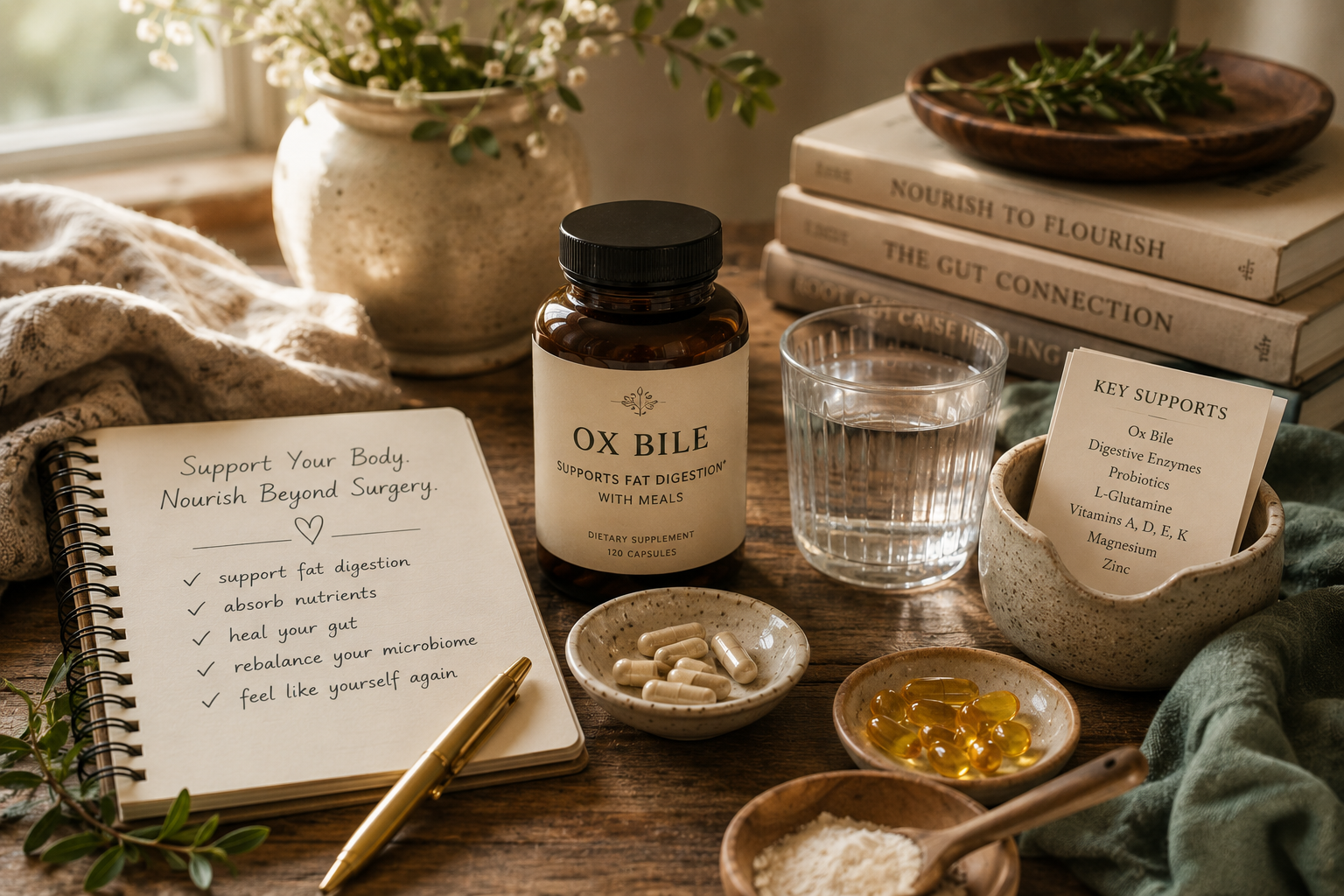
Ox bile is exactly what it sounds like — bile salts derived from bovine sources that provide your body with the concentrated bile your gallbladder used to deliver. When taken with meals, particularly those containing moderate to significant amounts of fat, ox bile steps in to do the emulsification job your gallbladder is no longer able to perform.
Ox bile aids in the breakdown of fats into smaller droplets, which significantly increases the surface area upon which digestive enzymes can act.
This is the non-negotiable supplement for most women after gallbladder removal. Without it, every fatty meal is relying on inadequate, poorly-timed bile — and all of the downstream consequences, from loose stools to fat-soluble vitamin deficiency, become more likely.
One important nuance: If you have bile acid diarrhea, bile salt supplementation may initially worsen symptoms. In this case, a bile acid sequestrant may be needed instead. If your predominant symptom is urgent, watery diarrhea after meals, start with a small dose of ox bile and monitor carefully. For women whose primary symptom is the opposite — constipation, sluggish digestion, or bloating — ox bile is typically very well tolerated and immediately helpful.
How to take it: With meals that contain fat. Not with very low-fat meals where the added bile salts could cause loose stools without the buffering effect of dietary fat. Start with a lower dose and increase as tolerated.
2. Digestive Enzymes — Supporting Complete Breakdown
The most direct way to support digestion after a cholecystectomy is by supplementing the body's ability to emulsify and break down dietary fat. This involves two primary components: bile salts and the fat-specific digestive enzyme, lipase. Lipase works directly on the emulsified fat droplets, breaking down triglycerides into absorbable fatty acids and glycerol. A comprehensive digestive enzyme supplement often includes lipase along with amylase for carbohydrates and protease for proteins, offering broad support for nutrient breakdown.
Where ox bile addresses the emulsification problem — the step that has to happen before fat can be digested — digestive enzymes address the enzymatic breakdown step that follows. A comprehensive enzyme formula that includes lipase, amylase, and protease supports the complete digestion of fat, carbohydrates, and protein — all of which can be impaired to various degrees after gallbladder removal.
The problem after gallbladder removal is not a lack of lipase but a lack of bile to emulsify fats so that lipase can access them. Supplementing lipase without addressing bile insufficiency is like adding more workers to a job site without providing the tools they need. That said, some people report symptom relief with enzyme supplements, possibly because the added lipase compensates slightly for suboptimal fat emulsification.
The ideal approach is both, ox bile for emulsification and digestive enzymes for enzymatic breakdown. Together they most closely replicate what a healthy gallbladder-supported digestive system does naturally.
How to take it: With every meal. Take at the very beginning of the meal — not after — so the enzymes are present when the food arrives.
3. Fat-Soluble Vitamins — Replacing What You Can No Longer Absorb
This is the group most likely to be deficient years after gallbladder removal — and the most commonly overlooked because the deficiency develops slowly and silently.
Because fat absorption is less efficient, standard forms of these vitamins may not be adequately utilized by the body. The most effective supplementation strategy involves using highly bioavailable forms, such as emulsified or micellized vitamins. These formulations simulate proper emulsification, making them easier to absorb directly in the small intestine without relying on concentrated bile.
Vitamin D. Vitamin D deficiency is particularly common after gallbladder removal, as it's already widespread in the general population and bile insufficiency compounds the problem. Low vitamin D contributes to bone density loss, immune dysfunction, mood instability, and hormone disruption — all critical concerns for women. Use emulsified vitamin D3 with K2 for best absorption without gallbladder function. Get your levels tested — optimal is typically 60 to 80 ng/mL, not just the standard normal range of 30 ng/mL.
Vitamin K2. Essential for directing calcium to bones rather than arteries, and for blood clotting. K2 specifically requires fat and bile for absorption — making it one of the most commonly deficient fat-soluble vitamins post-cholecystectomy. Look for MK-7 form combined with vitamin D3.
Vitamin A. Required for immune function, vision, skin integrity, and reproductive health. Deficiency develops slowly after gallbladder removal and is frequently missed because it is not routinely tested. Look for emulsified vitamin A or get it from retinol-rich foods like liver alongside your digestive enzyme support.
Vitamin E. A potent antioxidant that protects cell membranes from oxidative damage. As a fat-soluble vitamin, it requires bile for adequate absorption. Look for mixed tocopherols rather than alpha-tocopherol alone for the most complete vitamin E activity.
How to take them: With a fat-containing meal and alongside your ox bile supplement to maximize absorption. Emulsified or micellized forms are significantly better absorbed than standard fat-soluble capsules for women with compromised bile.
4. Probiotics — Rebuilding the Microbiome That Changed
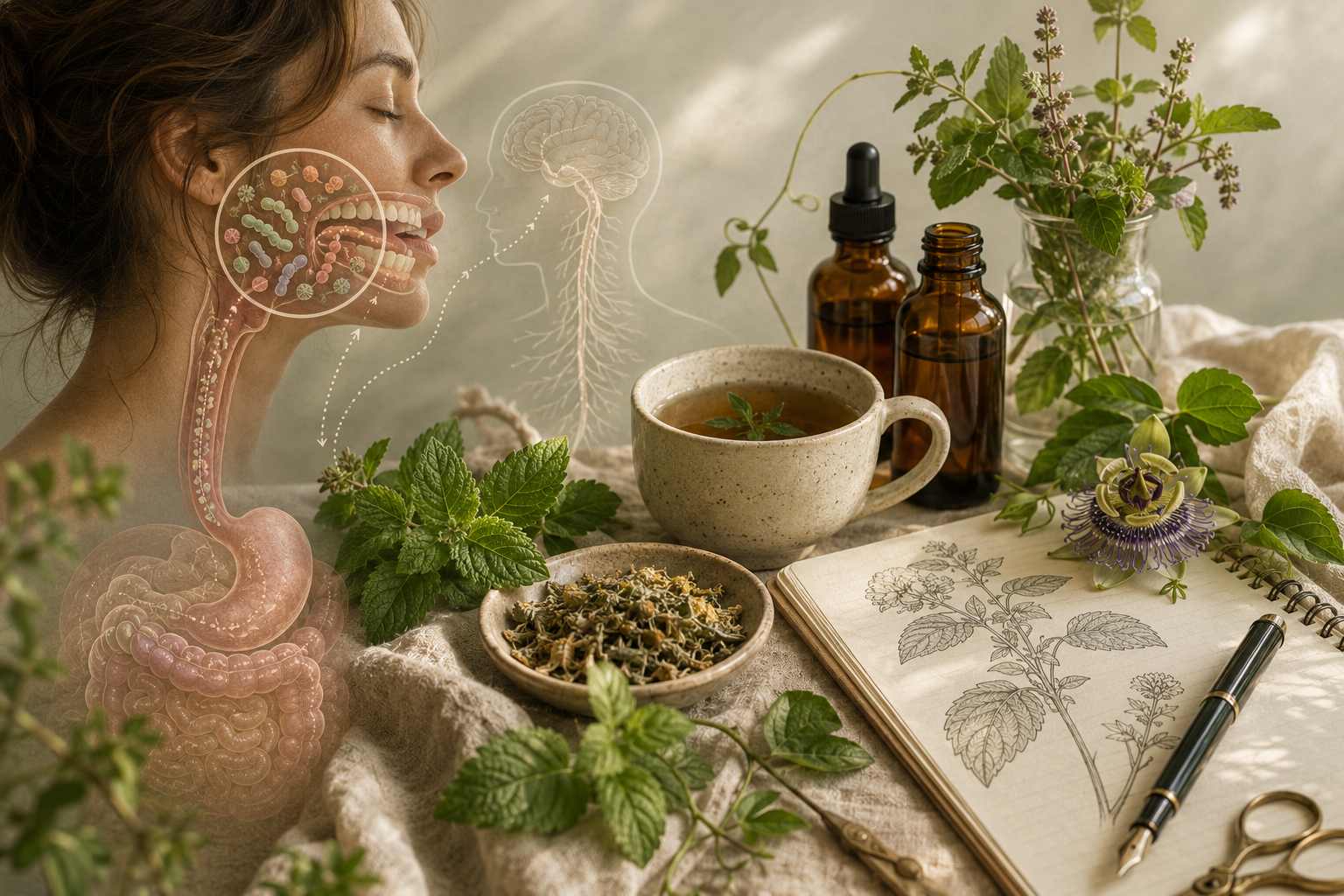
Your gallbladder didn't just store bile for digestion. It also shaped the chemical environment that your gut bacteria live in. Research found that gallbladder removal significantly alters the composition of intestinal bacteria. Several beneficial bacterial groups declined after surgery, while others increased.
Probiotics are great for people recovering after gallbladder surgery. They make digestion better and lessen digestive issues. They also help get the gut's natural balance back, which can be off after surgery and diet changes. A study in the Journal of Clinical Gastroenterology found probiotics help with irritable bowel syndrome and other digestive problems after gallbladder surgery.
For women who already deal with nervous system dysregulation, anxiety, or mood instability, the microbiome shift after gallbladder removal is particularly significant — because your gut microbiome directly influences neurotransmitter production, immune regulation, and the gut-brain axis.
Look for a multi-strain probiotic with both Lactobacillus and Bifidobacterium strains and a high enough CFU count to make a meaningful impact. Saccharomyces boulardii is a particularly valuable addition for post-cholecystectomy support because it specifically helps regulate bile acid metabolism in the colon and reduces the diarrhea that bile acid irritation can cause.
How to take it: Away from meals, or as directed on the product. Separate from your digestive enzyme and ox bile by at least 30 to 60 minutes.
5. L-Glutamine — For Gut Lining Integrity
L-Glutamine is an important amino acid that is beneficial for enhancing gut health and boosting tissue repair.
The continuous drip of bile into the small intestine — rather than the pulsed, meal-timed release your gallbladder used to provide — is irritating to the intestinal lining over time. Ongoing bile acid exposure in the colon contributes to inflammation and increased intestinal permeability. L-glutamine is the primary fuel source for enterocytes — the cells lining your small intestine — and provides the raw material those cells need to repair and maintain the gut barrier.
For women who already deal with leaky gut, food sensitivities, or gut-related immune issues, L-glutamine is a particularly important addition to the post-gallbladder protocol. It works best as a powder added to water on an empty stomach where it can reach the intestinal lining directly.
How to take it: 5 to 10 grams in water on an empty stomach — first thing in the morning or between meals.
6. Omega-3 Fatty Acids — Anti-Inflammatory Support for Fat Absorption
After cholecystectomy, the risk of fat malabsorption increases, potentially leading to deficiencies in essential fatty acids like omega-3. Since the body cannot naturally produce omega-3 fatty acids, they must be obtained through diet or supplements. Omega-3 supplements can help ensure the body receives sufficient amounts of these vital fats without putting extra strain on digestion.
Omega-3 fatty acids — EPA and DHA — are among the most important anti-inflammatory fats your body needs, and they become harder to absorb without adequate bile. The systemic inflammation that develops from poor fat absorption, microbiome disruption, and ongoing bile acid irritation is one of the underappreciated long-term consequences of gallbladder removal. Omega-3 supplementation addresses this from multiple angles simultaneously.
Look for a high-quality fish oil that has been tested for heavy metals and oxidation, or a triglyceride-form omega-3 which is better absorbed than ethyl ester forms. Take with your largest meal alongside your ox bile supplement to maximize absorption.
How to take it: 1 to 2 grams of combined EPA and DHA daily with a fat-containing meal.
7. Magnesium — Supporting Digestion and Motility
The removal of the gallbladder can affect the absorption of magnesium. While the absorption of magnesium majorly occurs in the small intestine, its efficiency can be affected by changes in bile production and digestion. Supplementing magnesium can help prevent its deficiency and also improve digestion. After gallbladder removal, some individuals may experience sluggish digestion. Magnesium supplements can help with this.
Magnesium is involved in over 300 enzymatic reactions in the body — including those governing gut motility, muscle relaxation, and nervous system regulation. Women dealing with constipation or sluggish digestion after gallbladder removal often find magnesium glycinate at bedtime improves gut motility significantly by the following morning. It also supports sleep quality, anxiety regulation, and the nervous system — making it doubly relevant for burned-out women navigating post-surgical recovery.
How to take it: 200 to 400mg of magnesium glycinate before bed. Magnesium citrate at a lower dose can also support motility but is more laxative in effect — useful for constipation-dominant presentations.
8. Fiber — For Binding Excess Bile Acids in the Colon
To manage bile salt depletion and associated diarrhea following cholecystectomy, supplements like calcium and fiber can also act as natural bile acid binders, helping to bind and remove excess bile acids so that they don't irritate the colon causing diarrhea.
Soluble fiber — from sources like psyllium husk, partially hydrolyzed guar gum, or acacia fiber — binds excess bile acids in the colon and carries them out of the body before they can cause irritation, loose stools, or inflammation. For women dealing with bile acid diarrhea, adding soluble fiber to each meal is one of the most effective and most gentle interventions available.
Soluble fiber also feeds the beneficial gut bacteria that are disrupted by gallbladder removal — addressing the microbiome shift at the same time.
How to take it: Psyllium husk stirred into water at meals or acacia fiber added to food. Start slowly — too much fiber introduced too quickly can worsen bloating before it helps.
9. Liver Support — Because Your Liver Is Now Working Harder
Without the gallbladder, your liver carries the entire bile production burden without the benefit of a storage and concentration mechanism. Ongoing liver support becomes more relevant after gallbladder removal than most people realize.
Milk thistle (silymarin) is the most researched liver-protective herb available. It supports bile quality, protects liver cells from oxidative damage, and supports the liver's ability to produce and process bile efficiently. Relevant for any woman living without a gallbladder.
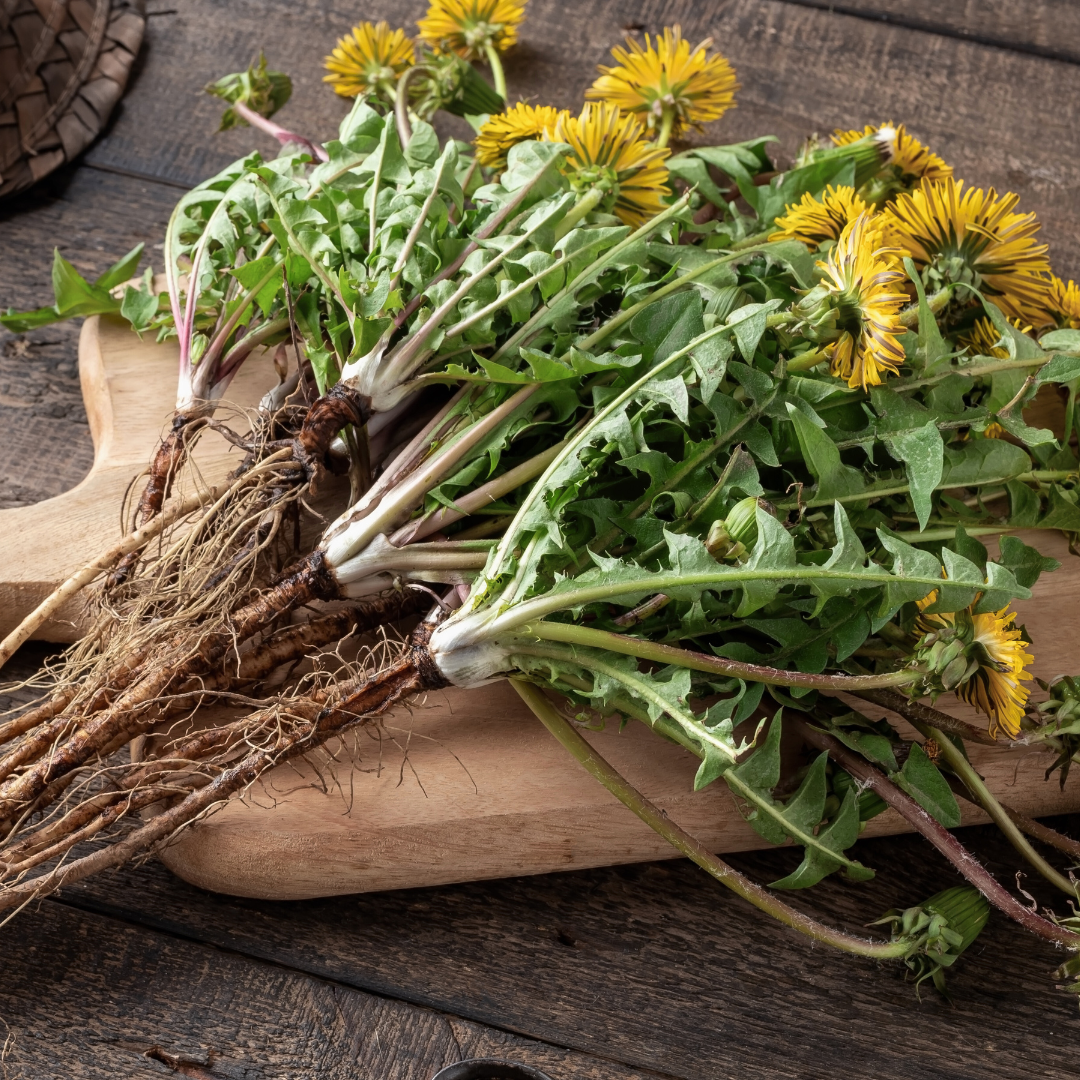
Dandelion root is a gentle bitter herb that stimulates bile production by the liver — supporting the liver's output side of the equation in a way that complements the bile replacement provided by ox bile supplements.
Phosphatidylcholine is a phospholipid that is a key component of bile — it makes bile more fluid and less prone to forming the kind of sludge that disrupts bile flow. Supporting phosphatidylcholine status is a way of improving the quality of the bile your liver is producing, not just compensating for the bile your gallbladder is no longer releasing.
10. MCT Oil — Fat You Can Absorb Without Adequate Bile
Medium-chain triglycerides are a unique type of fat that can be absorbed and utilized without requiring bile acids for emulsification.
MCT oil — derived from coconut oil — provides a source of fat that your body can absorb directly through the gut lining without requiring the bile-mediated emulsification process that long-chain fats need. This makes it a valuable dietary fat for women post-cholecystectomy who need fat for hormone production, brain function, and fat-soluble vitamin absorption but struggle with standard dietary fats.
Adding MCT oil to smoothies, coffee, or salad dressings provides accessible, bioavailable fat that your body can use immediately without taxing your compromised fat-digestion system.
How to use it: Start with one teaspoon and increase gradually — too much too fast can cause loose stools. Work up to one to two tablespoons per day over two to three weeks.
The Labs to Check After Gallbladder Removal
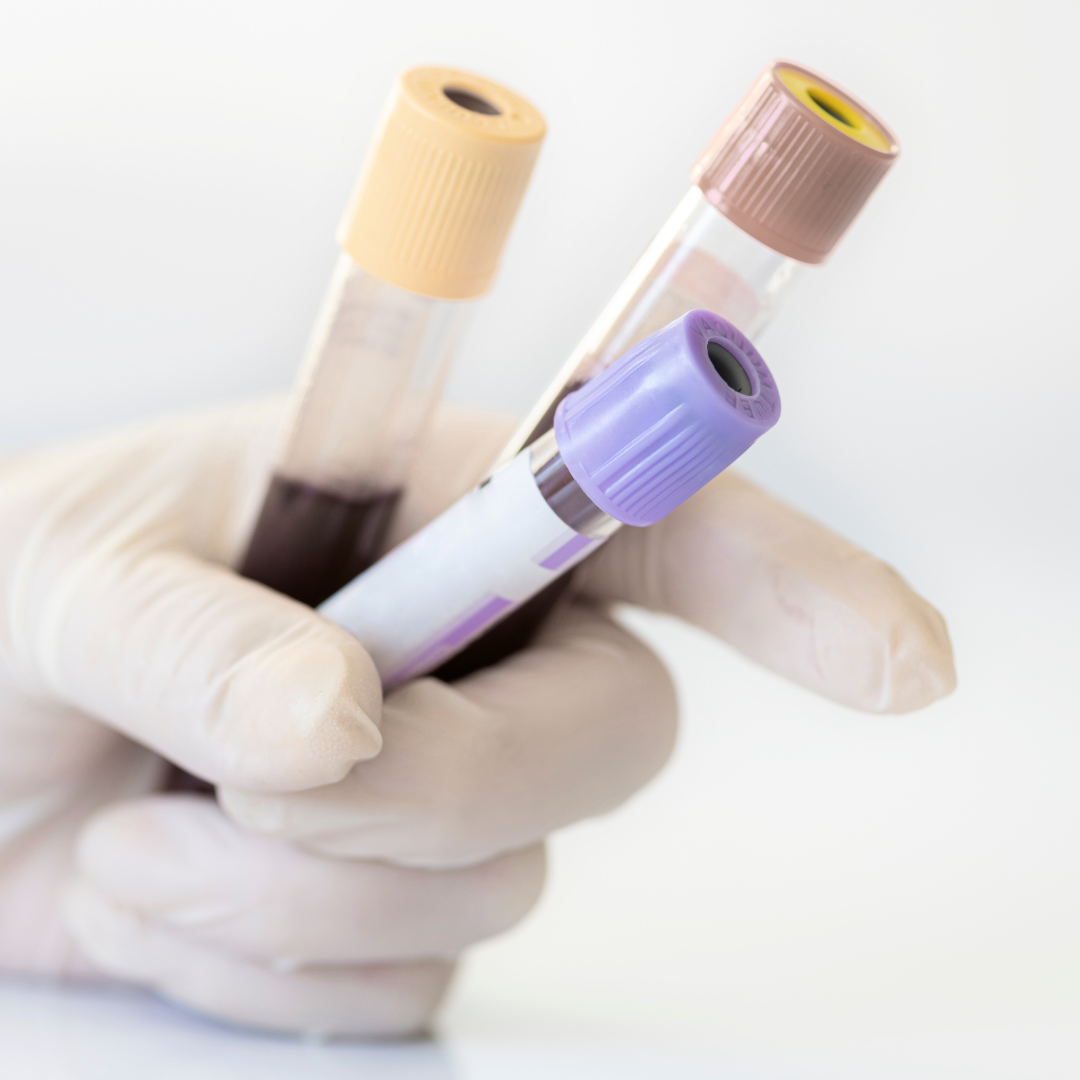
Most conventional follow-up care after cholecystectomy does not include routine nutrient monitoring. But given the risk of fat-soluble vitamin deficiency, these are the labs worth asking for:
Vitamin D (25-OH vitamin D) — optimal is 60 to 80 ng/mL, not just the standard normal range. Vitamin A (retinol) — often not routinely tested but worth checking annually. Vitamin K2 status indirectly via bone density or specific lab testing. Vitamin E (alpha-tocopherol) — request specifically as it is not on standard panels. Magnesium RBC (not serum magnesium — serum is an unreliable measure of tissue magnesium status). Ferritin and iron panel — fat malabsorption can impair iron absorption over time. Omega-3 index — a measure of your EPA and DHA status in red blood cell membranes.





What to Eat After Gallbladder Removal
Supplements support what food starts. Here are the most important dietary adjustments for life without a gallbladder.
Eat smaller, more frequent meals. Smaller portions of fat at each meal give your liver's continuous bile drip a better chance of keeping up with the digestive demand. Three large fatty meals is harder for a gallbladder-free system than five to six smaller ones.
Do not go zero-fat. This is a common mistake. Fat is essential for hormone production, brain function, and fat-soluble vitamin absorption. The goal is not to eliminate fat but to manage the amount per sitting and support its digestion with ox bile and enzymes.
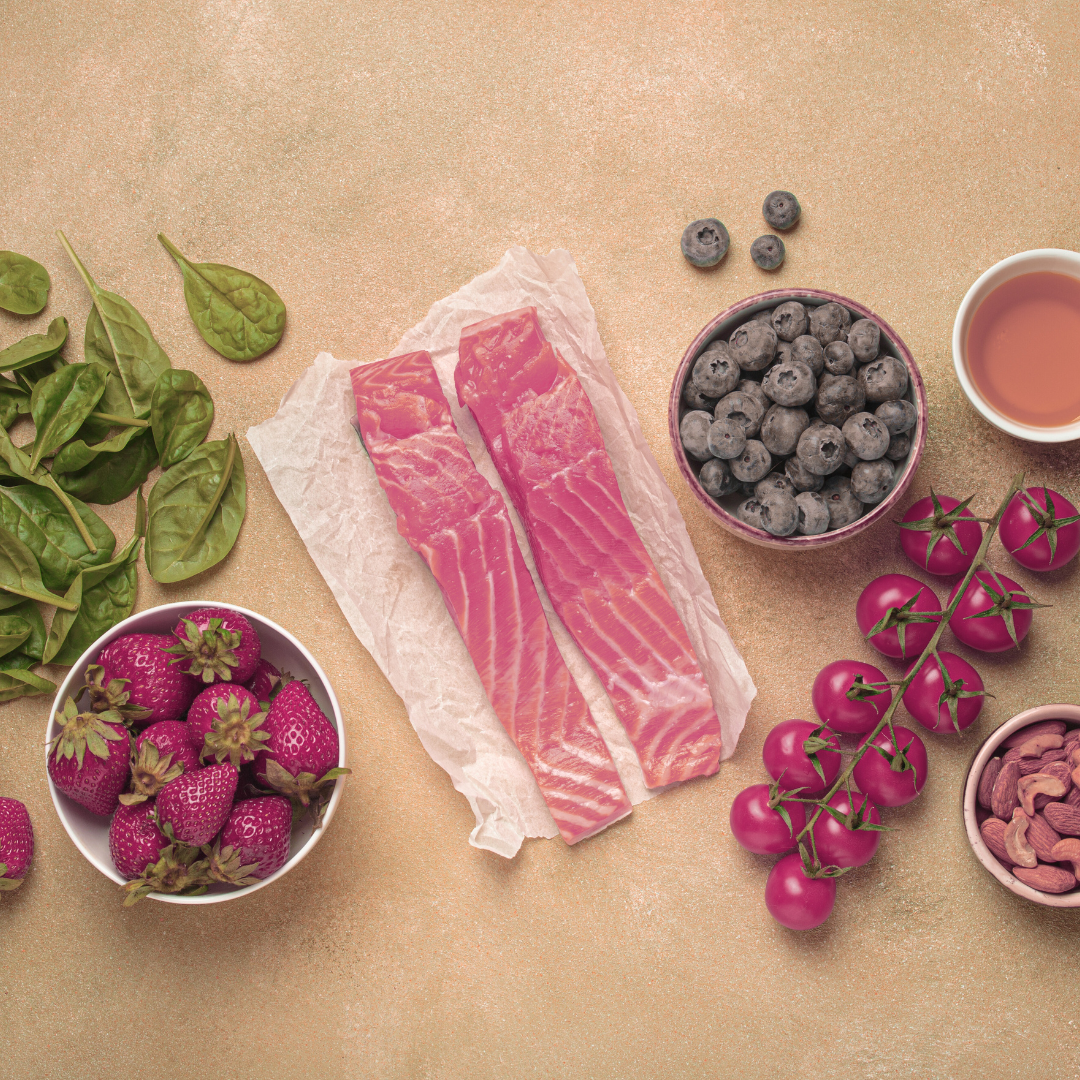
Choose easier fats first. Olive oil, avocado, coconut oil, MCT oil, and the fat naturally present in whole foods like eggs and fish are generally better tolerated than the large amounts of saturated fat in very rich meals. Work up gradually to higher-fat foods.
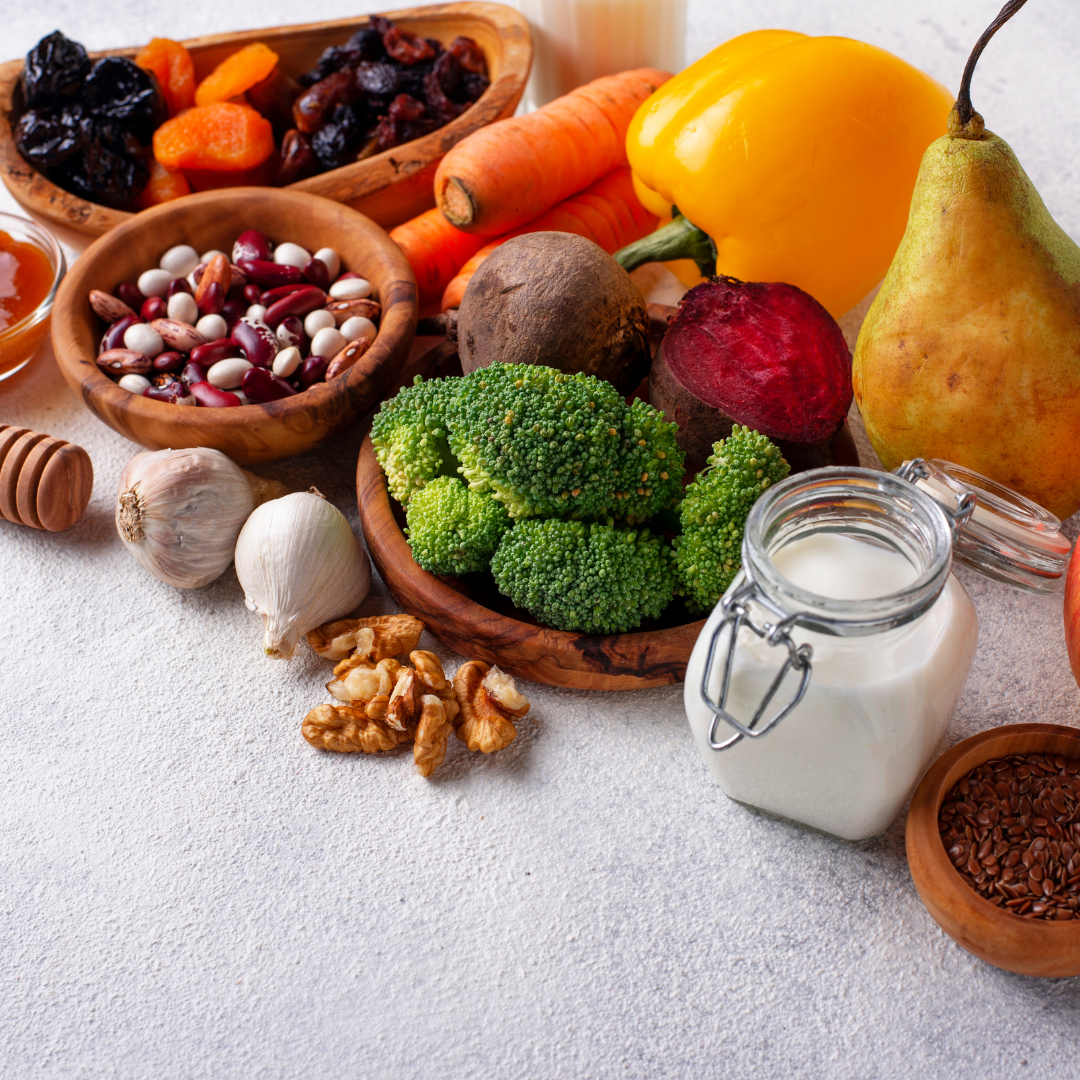
Add soluble fiber at every meal. Vegetables, legumes, oats, and psyllium all help bind excess bile acids and feed the beneficial bacteria your microbiome needs rebuilding.
Reduce or eliminate alcohol. Your liver is now working harder than it was before surgery. Alcohol is a direct hepatic stressor and significantly impairs the bile production your digestive system now depends on entirely.

A Practical Daily Protocol — Where to Start
This can feel like a lot of supplements. Here is a simple, prioritized starting protocol that introduces one thing at a time.
Week one: Ox bile with every meal containing fat. This single supplement addresses the core problem most directly. Notice changes in bloating, stool consistency, and post-meal comfort.
Week two: Add a comprehensive digestive enzyme at the start of every meal alongside your ox bile. Notice how meals feel from this point forward.
Week three: Add emulsified vitamin D3 with K2. This addresses the fat-soluble vitamin deficiency that is most likely and most consequential long-term.
Week four: Add a quality multi-strain probiotic away from meals. Support the microbiome shift.
Ongoing additions: L-glutamine, magnesium glycinate, omega-3, soluble fiber, and liver support herbs can be added one at a time as you build your full protocol.
Always introduce one new supplement at a time so you can identify how your body responds to each one before adding more. And always reach out to your practitioner before making any changes to your program.





https://ods.od.nih.gov/factsheets/VitaminD-HealthProfessional/
https://ods.od.nih.gov/factsheets/VitaminA-HealthProfessional/
https://ods.od.nih.gov/factsheets/VitaminE-HealthProfessional/
https://ods.od.nih.gov/factsheets/Magnesium-HealthProfessional/
https://www.ncbi.nlm.nih.gov/books/NBK542307/
https://pubmed.ncbi.nlm.nih.gov/34860537/
https://www.mayoclinic.org/tests-procedures/cholecystectomy/about/pac-20384818